Home Blog Page 7

Essential Real Estate Law Guide: What Every Property Owner Must Know

0

Essential Real Estate Law Guide: What Every Property Owner Must Know

Understanding Property Ownership Types

Did you know that nearly 70% of Americans own their homes? Yet, many don’t fully grasp the implications of the type of property ownership they have. If you’re one of those homeowners, buckle up—understanding property ownership types is crucial for navigating real estate law basics.

Sole Ownership

Sole ownership is like being the captain of your own ship—you're in complete control. This means you alone hold title to the property and make all decisions. But beware! If you're not careful, this can lead to some rocky waters when it comes to debts or liabilities tied to the property.

Joint Tenancy

In joint tenancy, it’s a bit like a buddy cop movie: two or more owners share equal rights and responsibilities. The most interesting part? If one owner kicks the bucket, their share automatically goes to the surviving owners—no messy probate required. However, this can also mean that one owner’s bad debts could affect everyone involved.

Tenancy in Common

You do you best describes tenancy in common. Here, each owner can hold different percentages of interest in the property. You can sell or pass on your share independently, which is great for flexibility but can get complicated if not everyone agrees on what should happen next.

Key takeaway: Understanding these ownership types helps you make informed decisions and avoid potential pitfalls.

Community Property

What’s mine is yours takes on a whole new meaning with community property laws. In states that recognize this type, any assets acquired during marriage are considered jointly owned by both spouses. This can be great for shared investments but could lead to disputes if things go south.

Important Note: Not all states recognize community property laws—be sure to check your local regulations.

Tenancy by the Entirety

Tenancy by the entirety is like an exclusive club for married couples. This form offers protection against creditors and ensures that if one partner passes away, their interest automatically transfers to the surviving spouse. However, it’s not available everywhere and requires both parties’ consent for any changes.

Navigating through these ownership types isn’t just about understanding your rights; it’s about protecting your investment and planning for the future. So before signing on any dotted lines or making big decisions regarding your real estate investments, take a moment to evaluate which type of ownership suits your situation best.

Did you know that nearly 70% of Americans own their homes? Yet, many don’t fully grasp the implications of the type of property ownership they have. If you’re one of those homeowners, buckle up—understanding property ownership types is crucial for navigating real estate law basics.

Sole Ownership

Sole ownership is like being the captain of your own ship—you're in complete control. This means you alone hold title to the property and make all decisions. But beware! If you're not careful, this can lead to some rocky waters when it comes to debts or liabilities tied to the property.

Joint Tenancy

In joint tenancy, it’s a bit like a buddy cop movie: two or more owners share equal rights and responsibilities. The most interesting part? If one owner kicks the bucket, their share automatically goes to the surviving owners—no messy probate required. However, this can also mean that one owner’s bad debts could affect everyone involved.

Tenancy in Common

You do you best describes tenancy in common. Here, each owner can hold different percentages of interest in the property. You can sell or pass on your share independently, which is great for flexibility but can get complicated if not everyone agrees on what should happen next.

Key takeaway: Understanding these ownership types helps you make informed decisions and avoid potential pitfalls.

Community Property

What’s mine is yours takes on a whole new meaning with community property laws. In states that recognize this type, any assets acquired during marriage are considered jointly owned by both spouses. This can be great for shared investments but could lead to disputes if things go south.

Important Note: Not all states recognize community property laws—be sure to check your local regulations.

Tenancy by the Entirety

Tenancy by the entirety is like an exclusive club for married couples. This form offers protection against creditors and ensures that if one partner passes away, their interest automatically transfers to the surviving spouse. However, it’s not available everywhere and requires both parties’ consent for any changes.

Navigating through these ownership types isn’t just about understanding your rights; it’s about protecting your investment and planning for the future. So before signing on any dotted lines or making big decisions regarding your real estate investments, take a moment to evaluate which type of ownership suits your situation best.

Key Components of Real Estate Contracts

Imagine signing a contract for your dream home only to find out later that it’s riddled with loopholes. Yikes! Real estate contracts are like the fine print on a candy bar wrapper—easy to overlook but critical to your sweet success.

When it comes to real estate law basics, knowing the key components of a contract can save you from nightmares and ensure you wake up in your new abode without any nasty surprises. Let’s break down the essential elements that every property owner should be aware of.

1. Offer and Acceptance

First up is the offer and acceptance—think of it as the handshake before you seal the deal. One party makes an offer, and the other party accepts it. Sounds simple, right? But here’s where things can get tricky: offers can be revoked before acceptance, so timing is everything. If you’re not careful, your dream home could slip through your fingers faster than you can say real estate agent.

2. Consideration

Consideration isn’t just what you do when deciding whether to buy that overpriced avocado toast; in legal terms, it refers to what each party stands to gain from the contract. This could be money, services, or even a promise to do something (or not do something). Without consideration, your contract might as well be a napkin doodle.

3. Legal Purpose

Legal purpose means that all parties involved must be entering into an agreement for something lawful. No one wants a contract that involves illegal activities—unless you're auditioning for a crime drama! Ensure your real estate dealings are above board; otherwise, you could find yourself in hot water with the law.

4. Competent Parties

Competent parties means everyone involved must have the legal capacity to enter into a contract—no minors or folks deemed mentally incompetent allowed! If there’s any doubt about someone's ability to understand what they’re signing up for, that could lead to serious complications down the line.

5. Written Format

Written format is crucial because most states require real estate contracts to be in writing to be enforceable. So if someone tries to sell you their house over a cup of coffee and a handshake? Run! Get it in writing—it’s not just smart; it’s legally necessary.

Key takeaway: Understanding these components helps protect your investment and ensures smooth transactions.

Navigating through real estate contracts may feel like deciphering hieroglyphics at times, but arming yourself with knowledge about these key components will help avoid pitfalls and ensure you're making informed decisions every step of the way.

Imagine signing a contract for your dream home only to find out later that it’s riddled with loopholes. Yikes! Real estate contracts are like the fine print on a candy bar wrapper—easy to overlook but critical to your sweet success.

When it comes to real estate law basics, knowing the key components of a contract can save you from nightmares and ensure you wake up in your new abode without any nasty surprises. Let’s break down the essential elements that every property owner should be aware of.

1. Offer and Acceptance

First up is the offer and acceptance—think of it as the handshake before you seal the deal. One party makes an offer, and the other party accepts it. Sounds simple, right? But here’s where things can get tricky: offers can be revoked before acceptance, so timing is everything. If you’re not careful, your dream home could slip through your fingers faster than you can say real estate agent.

2. Consideration

Consideration isn’t just what you do when deciding whether to buy that overpriced avocado toast; in legal terms, it refers to what each party stands to gain from the contract. This could be money, services, or even a promise to do something (or not do something). Without consideration, your contract might as well be a napkin doodle.

3. Legal Purpose

Legal purpose means that all parties involved must be entering into an agreement for something lawful. No one wants a contract that involves illegal activities—unless you're auditioning for a crime drama! Ensure your real estate dealings are above board; otherwise, you could find yourself in hot water with the law.

4. Competent Parties

Competent parties means everyone involved must have the legal capacity to enter into a contract—no minors or folks deemed mentally incompetent allowed! If there’s any doubt about someone's ability to understand what they’re signing up for, that could lead to serious complications down the line.

5. Written Format

Written format is crucial because most states require real estate contracts to be in writing to be enforceable. So if someone tries to sell you their house over a cup of coffee and a handshake? Run! Get it in writing—it’s not just smart; it’s legally necessary.

Key takeaway: Understanding these components helps protect your investment and ensures smooth transactions.

Navigating through real estate contracts may feel like deciphering hieroglyphics at times, but arming yourself with knowledge about these key components will help avoid pitfalls and ensure you're making informed decisions every step of the way.

Navigating Zoning Laws and Land Use Regulations

Think your property is your castle? Well, hold on to your crown because zoning laws might have something to say about that! In fact, a staggering 80% of property owners are unaware of how local land use regulations can impact their real estate dreams. Ignorance might be bliss until you find out that your dream home is sitting in a commercial zone, and you can't even open a lemonade stand without a permit.

Understanding Zoning Laws

Zoning laws dictate how land can be used in specific areas. Think of them as the rulebook for your neighborhood's vibe. Want to turn that cozy bungalow into a trendy coffee shop? Not so fast! If the area is zoned residential, you’ll need to either get creative with permits or rethink your entrepreneurial aspirations. Local zoning ordinances can vary dramatically, so it’s crucial to do your homework before making any major decisions.

Types of Zoning

  • Residential: For homes and family dwellings.
  • Commercial: For businesses, shops, and services.
  • Industrial: For factories and warehouses.
  • Agricultural: For farms and related activities.

But wait, you say. How do I find out what my property is zoned for? Great question! Most local government websites have zoning maps available. Just type in your address, and voila—instant clarity on whether you're living in a residential oasis or a bustling commercial hub.

Land Use Regulations

Land use regulations is just a fancy term for rules governing what you can do with your land once you've figured out its zoning. This includes everything from building codes to environmental regulations. If you've ever tried to build a treehouse only to realize it violates local height restrictions, you know how important this can be!

Due diligence isn't just legal jargon; it's essential for avoiding headaches down the line.

So what happens if I break these rules? Well, let’s just say the consequences can range from fines that feel like they’re coming straight from the royal treasury to forced removal of any illegal structures you've erected. And nobody wants that kind of drama in their life.

Navigating through zoning laws and land use regulations may seem daunting at first glance, but equipping yourself with knowledge will save you from costly mistakes and legal entanglements down the road. So go ahead—dive into those local ordinances like they're the latest bestseller!

Think your property is your castle? Well, hold on to your crown because zoning laws might have something to say about that! In fact, a staggering 80% of property owners are unaware of how local land use regulations can impact their real estate dreams. Ignorance might be bliss until you find out that your dream home is sitting in a commercial zone, and you can't even open a lemonade stand without a permit.

Understanding Zoning Laws

Zoning laws dictate how land can be used in specific areas. Think of them as the rulebook for your neighborhood's vibe. Want to turn that cozy bungalow into a trendy coffee shop? Not so fast! If the area is zoned residential, you’ll need to either get creative with permits or rethink your entrepreneurial aspirations. Local zoning ordinances can vary dramatically, so it’s crucial to do your homework before making any major decisions.

Types of Zoning

  • Residential: For homes and family dwellings.
  • Commercial: For businesses, shops, and services.
  • Industrial: For factories and warehouses.
  • Agricultural: For farms and related activities.

But wait, you say. How do I find out what my property is zoned for? Great question! Most local government websites have zoning maps available. Just type in your address, and voila—instant clarity on whether you're living in a residential oasis or a bustling commercial hub.

Land Use Regulations

Land use regulations is just a fancy term for rules governing what you can do with your land once you've figured out its zoning. This includes everything from building codes to environmental regulations. If you've ever tried to build a treehouse only to realize it violates local height restrictions, you know how important this can be!

Due diligence isn't just legal jargon; it's essential for avoiding headaches down the line.

So what happens if I break these rules? Well, let’s just say the consequences can range from fines that feel like they’re coming straight from the royal treasury to forced removal of any illegal structures you've erected. And nobody wants that kind of drama in their life.

Navigating through zoning laws and land use regulations may seem daunting at first glance, but equipping yourself with knowledge will save you from costly mistakes and legal entanglements down the road. So go ahead—dive into those local ordinances like they're the latest bestseller!

The Role of Title Insurance in Property Transactions

Imagine buying your dream home only to discover a long-lost relative has a claim to it. Welcome to the world of property transactions, where surprises can be costly. Enter title insurance, the unsung hero that swoops in to save you from potential legal nightmares.

Title insurance is not just a fancy piece of paper; it's your financial safety net. According to the American Land Title Association, about 25% of all real estate transactions involve title defects that could lead to disputes. Without title insurance, you'd be left holding the bag—and trust me, that bag can get heavy.

What Does Title Insurance Cover?

So what exactly does this magical insurance cover? Think of it as a shield against a variety of potential issues:

  • Unpaid taxes or liens on the property.
  • Fraudulent claims against the title.
  • Errors in public records.
  • Unknown heirs making claims after you’ve purchased.

But wait, you might say, I did my due diligence! Sure, but even the most thorough research can miss hidden landmines. Title insurance ensures that if something goes awry, you're not left footing the legal bills or worse—losing your home.

'Owner's Policy' vs 'Lender's Policy'

'Owner's policy' and 'lender's policy'—sounds like a game show, right? But understanding these two types is crucial for any savvy property buyer. The owner's policy protects you as the buyer for as long as you own the property, while the lender's policy protects your mortgage lender until you've paid off your loan.

'Key takeaway: Always opt for an owner's policy when purchasing real estate—it’s an investment in your peace of mind.'

When Do You Need Title Insurance?

Do I really need this? is a common question among first-time buyers. The answer is a resounding yes! Whether you're purchasing residential property or commercial space, title insurance is essential during any transaction involving real estate law basics.

Even if you're getting a mortgage, some lenders require it as part of their financing process. It's like being told you need to wear a helmet while riding your bike—sure, it might feel cumbersome at first, but you'll thank yourself later when you avoid head trauma (or in this case, financial disaster).

In summary, title insurance acts like an invisible guardian for your home purchase. It’s all about safeguarding your investment and giving you peace of mind as you navigate through real estate law basics. So next time someone tells you it's just another expense—remind them it's an essential layer of protection!

Imagine buying your dream home only to discover a long-lost relative has a claim to it. Welcome to the world of property transactions, where surprises can be costly. Enter title insurance, the unsung hero that swoops in to save you from potential legal nightmares.

Title insurance is not just a fancy piece of paper; it's your financial safety net. According to the American Land Title Association, about 25% of all real estate transactions involve title defects that could lead to disputes. Without title insurance, you'd be left holding the bag—and trust me, that bag can get heavy.

What Does Title Insurance Cover?

So what exactly does this magical insurance cover? Think of it as a shield against a variety of potential issues:

  • Unpaid taxes or liens on the property.
  • Fraudulent claims against the title.
  • Errors in public records.
  • Unknown heirs making claims after you’ve purchased.

But wait, you might say, I did my due diligence! Sure, but even the most thorough research can miss hidden landmines. Title insurance ensures that if something goes awry, you're not left footing the legal bills or worse—losing your home.

'Owner's Policy' vs 'Lender's Policy'

'Owner's policy' and 'lender's policy'—sounds like a game show, right? But understanding these two types is crucial for any savvy property buyer. The owner's policy protects you as the buyer for as long as you own the property, while the lender's policy protects your mortgage lender until you've paid off your loan.

'Key takeaway: Always opt for an owner's policy when purchasing real estate—it’s an investment in your peace of mind.'

When Do You Need Title Insurance?

Do I really need this? is a common question among first-time buyers. The answer is a resounding yes! Whether you're purchasing residential property or commercial space, title insurance is essential during any transaction involving real estate law basics.

Even if you're getting a mortgage, some lenders require it as part of their financing process. It's like being told you need to wear a helmet while riding your bike—sure, it might feel cumbersome at first, but you'll thank yourself later when you avoid head trauma (or in this case, financial disaster).

In summary, title insurance acts like an invisible guardian for your home purchase. It’s all about safeguarding your investment and giving you peace of mind as you navigate through real estate law basics. So next time someone tells you it's just another expense—remind them it's an essential layer of protection!

Understanding Real Estate Financing Options

Did you know that nearly 40% of homebuyers report feeling overwhelmed by financing options? When it comes to real estate law basics, understanding your financing options is like knowing the secret menu at your favorite restaurant—it can totally change your experience.

Navigating the labyrinth of loans, mortgages, and other financing methods can feel like trying to find a needle in a haystack. Imagine a young couple eyeing their first home, only to be paralyzed by choices like fixed-rate mortgages, adjustable-rate mortgages, and various government-backed loans. Each option comes with its own set of rules and implications under real estate law.

Types of Financing Options

  • Fixed-Rate Mortgage: A classic choice where the interest rate stays the same for the life of the loan.
  • Adjustable-Rate Mortgage (ARM): Starts with a lower rate that can change over time—great for those who plan to move quickly.
  • FHA Loans: Government-backed loans that require lower down payments—ideal for first-time buyers.
  • VA Loans: For veterans, offering favorable terms without needing mortgage insurance.
  • USDA Loans: Designed for rural properties with no down payment required.

Fixed-rate mortgages are often the go-to option because they provide stability. You lock in an interest rate for the duration of your loan—think of it as setting your thermostat at a cozy temperature. However, if you’re planning on moving in a few years, an adjustable-rate mortgage could save you some cash upfront but may leave you sweating bullets later if rates rise.

Government-Backed Loans

FHA loans are particularly popular among first-time homebuyers because they allow for lower down payments and more lenient credit score requirements. It’s like having a safety net while you learn how to juggle all those responsibilities that come with homeownership. Similarly, VA loans offer incredible benefits for veterans—no down payment and no mortgage insurance required! That’s like finding out your favorite coffee shop gives free refills!

Understanding these financing options is crucial; choosing incorrectly can lead to long-term financial headaches.

The Importance of Pre-Approval

Pre-approval is not just a buzzword; it’s your golden ticket in the competitive real estate market. This process involves lenders assessing your financial situation before you start house hunting. Think of it as getting VIP access at a concert—you get to skip the lines and go straight for what you want!

'Being pre-approved gives you a clear idea of how much house you can afford and signals to sellers that you're serious. In hot markets where homes fly off the shelf faster than hotcakes on Sunday morning, this can be your secret weapon.'

Key takeaway: Familiarizing yourself with different financing options and getting pre-approved can save you time and money in your real estate journey.

'In summary, understanding real estate financing options is essential for making informed decisions that align with your financial goals. As you explore these avenues, keep an eye on interest rates and market trends—they're as fickle as a cat on a hot tin roof!'

Did you know that nearly 40% of homebuyers report feeling overwhelmed by financing options? When it comes to real estate law basics, understanding your financing options is like knowing the secret menu at your favorite restaurant—it can totally change your experience.

Navigating the labyrinth of loans, mortgages, and other financing methods can feel like trying to find a needle in a haystack. Imagine a young couple eyeing their first home, only to be paralyzed by choices like fixed-rate mortgages, adjustable-rate mortgages, and various government-backed loans. Each option comes with its own set of rules and implications under real estate law.

Types of Financing Options

  • Fixed-Rate Mortgage: A classic choice where the interest rate stays the same for the life of the loan.
  • Adjustable-Rate Mortgage (ARM): Starts with a lower rate that can change over time—great for those who plan to move quickly.
  • FHA Loans: Government-backed loans that require lower down payments—ideal for first-time buyers.
  • VA Loans: For veterans, offering favorable terms without needing mortgage insurance.
  • USDA Loans: Designed for rural properties with no down payment required.

Fixed-rate mortgages are often the go-to option because they provide stability. You lock in an interest rate for the duration of your loan—think of it as setting your thermostat at a cozy temperature. However, if you’re planning on moving in a few years, an adjustable-rate mortgage could save you some cash upfront but may leave you sweating bullets later if rates rise.

Government-Backed Loans

FHA loans are particularly popular among first-time homebuyers because they allow for lower down payments and more lenient credit score requirements. It’s like having a safety net while you learn how to juggle all those responsibilities that come with homeownership. Similarly, VA loans offer incredible benefits for veterans—no down payment and no mortgage insurance required! That’s like finding out your favorite coffee shop gives free refills!

Understanding these financing options is crucial; choosing incorrectly can lead to long-term financial headaches.

The Importance of Pre-Approval

Pre-approval is not just a buzzword; it’s your golden ticket in the competitive real estate market. This process involves lenders assessing your financial situation before you start house hunting. Think of it as getting VIP access at a concert—you get to skip the lines and go straight for what you want!

'Being pre-approved gives you a clear idea of how much house you can afford and signals to sellers that you're serious. In hot markets where homes fly off the shelf faster than hotcakes on Sunday morning, this can be your secret weapon.'

Key takeaway: Familiarizing yourself with different financing options and getting pre-approved can save you time and money in your real estate journey.

'In summary, understanding real estate financing options is essential for making informed decisions that align with your financial goals. As you explore these avenues, keep an eye on interest rates and market trends—they're as fickle as a cat on a hot tin roof!'

Landlord-Tenant Law Essentials

Imagine this: You’re a landlord who just discovered your tenant has transformed your cozy rental into a full-blown rave venue. Surprise! Understanding landlord-tenant laws isn’t just a nice-to-have; it’s your ticket to avoiding chaos and ensuring smooth sailing in your rental journey.

According to the National Multifamily Housing Council, nearly 40% of renters have faced issues with their landlords. Whether it's late repairs or unexpected rent increases, knowing the ins and outs of real estate law basics can help you navigate these turbulent waters.

Rights and Responsibilities

Both landlords and tenants have rights and responsibilities that are often outlined in lease agreements. As a landlord, you’re responsible for maintaining the property and ensuring it’s safe and habitable. This means fixing leaky faucets faster than you can say security deposit. On the flip side, tenants must pay rent on time and respect the property—no throwing wild parties unless it’s explicitly allowed!

Lease Agreements: The Fine Print

A well-crafted lease agreement is like a map—it guides both parties through their relationship. It should clearly outline terms such as rent amount, payment due dates, maintenance responsibilities, and rules about pets or subletting. Without this clarity, misunderstandings can lead to disputes that could easily be avoided.

Key takeaway: A solid lease agreement protects both parties by setting clear expectations.

Eviction Process: Know Your Steps

Eviction might sound like a scary word, but sometimes it’s necessary for landlords dealing with problematic tenants. However, this isn’t just a free-for-all; there are legal steps involved. You can't simply change the locks one night while your tenant is out—trust me, that’ll land you in hot water.

  1. Provide written notice—this varies by state but usually gives tenants time to rectify issues.
  2. File for eviction—if the issue persists, you’ll need to go through local courts.
  3. Attend court hearing—both parties present their case before a judge who decides the outcome.

Remember: each state has its own laws governing eviction processes; familiarize yourself with local regulations to avoid costly mistakes.

Important Note: Always follow legal procedures when evicting a tenant to avoid potential lawsuits.

Security Deposits: What You Need to Know

Security deposits are often the first line of defense for landlords against tenant damage or unpaid rent. However, there are legal limits on how much you can charge—and how quickly you must return it after move-out. Most states require landlords to return deposits within 30 days of lease termination unless deductions are necessary for repairs or cleaning.

Key takeaway: Keep detailed records of any damage or necessary repairs to justify deductions from security deposits.

In conclusion, being well-versed in landlord-tenant law essentials equips you for smoother transactions and helps avoid potential pitfalls down the line. Whether you're drafting leases or handling disputes, knowledge is your best ally in navigating these waters!

Imagine this: You’re a landlord who just discovered your tenant has transformed your cozy rental into a full-blown rave venue. Surprise! Understanding landlord-tenant laws isn’t just a nice-to-have; it’s your ticket to avoiding chaos and ensuring smooth sailing in your rental journey.

According to the National Multifamily Housing Council, nearly 40% of renters have faced issues with their landlords. Whether it's late repairs or unexpected rent increases, knowing the ins and outs of real estate law basics can help you navigate these turbulent waters.

Rights and Responsibilities

Both landlords and tenants have rights and responsibilities that are often outlined in lease agreements. As a landlord, you’re responsible for maintaining the property and ensuring it’s safe and habitable. This means fixing leaky faucets faster than you can say security deposit. On the flip side, tenants must pay rent on time and respect the property—no throwing wild parties unless it’s explicitly allowed!

Lease Agreements: The Fine Print

A well-crafted lease agreement is like a map—it guides both parties through their relationship. It should clearly outline terms such as rent amount, payment due dates, maintenance responsibilities, and rules about pets or subletting. Without this clarity, misunderstandings can lead to disputes that could easily be avoided.

Key takeaway: A solid lease agreement protects both parties by setting clear expectations.

Eviction Process: Know Your Steps

Eviction might sound like a scary word, but sometimes it’s necessary for landlords dealing with problematic tenants. However, this isn’t just a free-for-all; there are legal steps involved. You can't simply change the locks one night while your tenant is out—trust me, that’ll land you in hot water.

  1. Provide written notice—this varies by state but usually gives tenants time to rectify issues.
  2. File for eviction—if the issue persists, you’ll need to go through local courts.
  3. Attend court hearing—both parties present their case before a judge who decides the outcome.

Remember: each state has its own laws governing eviction processes; familiarize yourself with local regulations to avoid costly mistakes.

Important Note: Always follow legal procedures when evicting a tenant to avoid potential lawsuits.

Security Deposits: What You Need to Know

Security deposits are often the first line of defense for landlords against tenant damage or unpaid rent. However, there are legal limits on how much you can charge—and how quickly you must return it after move-out. Most states require landlords to return deposits within 30 days of lease termination unless deductions are necessary for repairs or cleaning.

Key takeaway: Keep detailed records of any damage or necessary repairs to justify deductions from security deposits.

In conclusion, being well-versed in landlord-tenant law essentials equips you for smoother transactions and helps avoid potential pitfalls down the line. Whether you're drafting leases or handling disputes, knowledge is your best ally in navigating these waters!

Dispute Resolution Mechanisms in Real Estate

Picture this: you’ve just purchased your dream property, and suddenly you find yourself in a dispute with your neighbor over a fence that’s a smidge too close for comfort. Welcome to the world of real estate disputes, where the path to resolution can feel like navigating a maze blindfolded. With nearly 60% of real estate transactions encountering some form of dispute, knowing how to effectively resolve these conflicts is crucial.

Real estate law basics encompass various dispute resolution mechanisms that can save you time, money, and a whole lot of stress. Let’s break down the most common methods that can help you steer clear of courtroom drama.

1. Mediation: The Peacekeeper Approach

Mediation is like having a wise friend step in to help two parties find common ground. In this informal process, a neutral third party (the mediator) facilitates discussions between disputing parties to help them reach a mutually agreeable solution. It’s less about who wins and more about finding a way forward without the need for litigation.

Mediation is often quicker and less expensive than going to court—think of it as the express lane for resolving disputes. Plus, it allows both parties to maintain control over the outcome rather than leaving it up to a judge who may not fully understand the nuances of their situation.

2. Arbitration: The Binding Agreement

Arbitration might sound like something out of an ancient legal text, but it’s actually quite straightforward. In this process, both parties agree to submit their dispute to an arbitrator (or panel of arbitrators) who makes a binding decision after hearing both sides. It’s like having your own private judge—minus the gavel banging.

'Arbitration can be faster than traditional litigation and often less costly, but here’s the catch: once an arbitrator makes a decision, it’s typically final and difficult to appeal. So think long and hard before choosing this route—you might want to ensure that your case has solid ground before committing!

'Litigation: The Last Resort

Litigation is where things get serious—it’s when you take your case to court and let a judge or jury decide your fate. While sometimes necessary, litigation can be lengthy and costly; think months or even years spent battling it out in courtrooms rather than enjoying your new property.

'Before jumping into litigation, consider whether mediation or arbitration could resolve your issue more amicably. Courts are often backlogged with cases; adding yours into the mix could mean waiting longer than you’d like for resolution.

Picture this: you’ve just purchased your dream property, and suddenly you find yourself in a dispute with your neighbor over a fence that’s a smidge too close for comfort. Welcome to the world of real estate disputes, where the path to resolution can feel like navigating a maze blindfolded. With nearly 60% of real estate transactions encountering some form of dispute, knowing how to effectively resolve these conflicts is crucial.

Real estate law basics encompass various dispute resolution mechanisms that can save you time, money, and a whole lot of stress. Let’s break down the most common methods that can help you steer clear of courtroom drama.

1. Mediation: The Peacekeeper Approach

Mediation is like having a wise friend step in to help two parties find common ground. In this informal process, a neutral third party (the mediator) facilitates discussions between disputing parties to help them reach a mutually agreeable solution. It’s less about who wins and more about finding a way forward without the need for litigation.

Mediation is often quicker and less expensive than going to court—think of it as the express lane for resolving disputes. Plus, it allows both parties to maintain control over the outcome rather than leaving it up to a judge who may not fully understand the nuances of their situation.

2. Arbitration: The Binding Agreement

Arbitration might sound like something out of an ancient legal text, but it’s actually quite straightforward. In this process, both parties agree to submit their dispute to an arbitrator (or panel of arbitrators) who makes a binding decision after hearing both sides. It’s like having your own private judge—minus the gavel banging.

'Arbitration can be faster than traditional litigation and often less costly, but here’s the catch: once an arbitrator makes a decision, it’s typically final and difficult to appeal. So think long and hard before choosing this route—you might want to ensure that your case has solid ground before committing!

'Litigation: The Last Resort

Litigation is where things get serious—it’s when you take your case to court and let a judge or jury decide your fate. While sometimes necessary, litigation can be lengthy and costly; think months or even years spent battling it out in courtrooms rather than enjoying your new property.

'Before jumping into litigation, consider whether mediation or arbitration could resolve your issue more amicably. Courts are often backlogged with cases; adding yours into the mix could mean waiting longer than you’d like for resolution.

Environmental Laws Affecting Property Owners

Imagine buying a charming cottage only to find out it’s sitting on a toxic waste site. Sounds like a plot twist from a horror movie, right? Unfortunately, for many property owners, the reality of environmental laws can be just as shocking. According to the Environmental Protection Agency, nearly 10% of homes in the U.S. may be affected by hazardous waste sites. So, if you think real estate law basics end at your property line, think again.

Environmental laws are like that overzealous friend who insists on checking your fridge for expired food before you host a dinner party—they're there to protect you, but they can also complicate things. These laws govern how land can be used and what can be built on it, and they vary significantly from one location to another. For property owners, understanding these regulations isn’t just about compliance; it’s about safeguarding your investment and ensuring your dream doesn’t turn into a nightmare.

Key Environmental Regulations

Let’s break down some of the major environmental regulations that could impact your property ownership:

  • The Clean Water Act: This law regulates discharges of pollutants into U.S. waters and sets quality standards for surface waters. If your property is near a body of water, this could affect what you can do with it.
  • The Clean Air Act: This regulates air emissions from stationary and mobile sources. If you're thinking about starting a business that might emit pollutants, you'll need to take this into account.
  • The National Environmental Policy Act (NEPA): NEPA requires federal agencies to assess the environmental effects of their proposed actions before making decisions. If you're looking at federal funding or permits, this is crucial.
  • State-Specific Environmental Laws: Many states have their own regulations regarding land use and environmental protection that can differ widely from federal laws.

Important: Always check local regulations—what applies in one state may not apply in another!

Common Pitfalls for Property Owners

Out of sight, out of mind doesn’t fly when it comes to environmental issues. Many property owners underestimate the importance of due diligence regarding potential environmental hazards like lead paint or asbestos in older homes or contamination from nearby industrial activities.

But I didn’t know! is not an acceptable defense when facing fines or legal action due to non-compliance with environmental regulations. Always conduct thorough inspections and consider obtaining an environmental assessment before finalizing any real estate transactions.

Key takeaway: Understanding environmental laws is essential for protecting your investment and avoiding costly legal issues down the road.

'Next Steps: Be Proactive!

As a property owner or prospective buyer, arm yourself with knowledge! Consult with legal experts familiar with real estate law basics and local environmental regulations before making any decisions. Staying informed will help ensure that you’re not just buying land but investing in peace of mind.

Imagine buying a charming cottage only to find out it’s sitting on a toxic waste site. Sounds like a plot twist from a horror movie, right? Unfortunately, for many property owners, the reality of environmental laws can be just as shocking. According to the Environmental Protection Agency, nearly 10% of homes in the U.S. may be affected by hazardous waste sites. So, if you think real estate law basics end at your property line, think again.

Environmental laws are like that overzealous friend who insists on checking your fridge for expired food before you host a dinner party—they're there to protect you, but they can also complicate things. These laws govern how land can be used and what can be built on it, and they vary significantly from one location to another. For property owners, understanding these regulations isn’t just about compliance; it’s about safeguarding your investment and ensuring your dream doesn’t turn into a nightmare.

Key Environmental Regulations

Let’s break down some of the major environmental regulations that could impact your property ownership:

  • The Clean Water Act: This law regulates discharges of pollutants into U.S. waters and sets quality standards for surface waters. If your property is near a body of water, this could affect what you can do with it.
  • The Clean Air Act: This regulates air emissions from stationary and mobile sources. If you're thinking about starting a business that might emit pollutants, you'll need to take this into account.
  • The National Environmental Policy Act (NEPA): NEPA requires federal agencies to assess the environmental effects of their proposed actions before making decisions. If you're looking at federal funding or permits, this is crucial.
  • State-Specific Environmental Laws: Many states have their own regulations regarding land use and environmental protection that can differ widely from federal laws.

Important: Always check local regulations—what applies in one state may not apply in another!

Common Pitfalls for Property Owners

Out of sight, out of mind doesn’t fly when it comes to environmental issues. Many property owners underestimate the importance of due diligence regarding potential environmental hazards like lead paint or asbestos in older homes or contamination from nearby industrial activities.

But I didn’t know! is not an acceptable defense when facing fines or legal action due to non-compliance with environmental regulations. Always conduct thorough inspections and consider obtaining an environmental assessment before finalizing any real estate transactions.

Key takeaway: Understanding environmental laws is essential for protecting your investment and avoiding costly legal issues down the road.

'Next Steps: Be Proactive!

As a property owner or prospective buyer, arm yourself with knowledge! Consult with legal experts familiar with real estate law basics and local environmental regulations before making any decisions. Staying informed will help ensure that you’re not just buying land but investing in peace of mind.

Environmental Laws Affecting Property Owners

Imagine buying a charming cottage only to find out it’s sitting on a toxic waste site. Sounds like a plot twist from a horror movie, right? Unfortunately, for many property owners, the reality of environmental laws can be just as shocking. According to the Environmental Protection Agency, nearly 10% of homes in the U.S. may be affected by hazardous waste sites. So, if you think real estate law basics end at your property line, think again.

Environmental laws are like that overzealous friend who insists on checking your fridge for expired food before you host a dinner party—they're there to protect you, but they can also complicate things. These laws govern how land can be used and what can be built on it, and they vary significantly from one location to another. For property owners, understanding these regulations isn’t just about compliance; it’s about safeguarding your investment and ensuring your dream doesn’t turn into a nightmare.

Key Environmental Regulations

Let’s break down some of the major environmental regulations that could impact your property ownership:

  • The Clean Water Act: This law regulates discharges of pollutants into U.S. waters and sets quality standards for surface waters. If your property is near a body of water, this could affect what you can do with it.
  • The Clean Air Act: This regulates air emissions from stationary and mobile sources. If you're thinking about starting a business that might emit pollutants, you’ll need to take this into account.
  • The National Environmental Policy Act (NEPA): NEPA requires federal agencies to assess the environmental effects of their proposed actions before making decisions. If you're looking at federal funding or permits, this is crucial.
  • State-Specific Environmental Laws: Many states have their own regulations regarding land use and environmental protection that can differ widely from federal laws.

Important: Always check local regulations—what applies in one state may not apply in another!

Common Pitfalls for Property Owners

Out of sight, out of mind doesn’t fly when it comes to environmental issues. Many property owners underestimate the importance of due diligence regarding potential environmental hazards like lead paint or asbestos in older homes or contamination from nearby industrial activities.

But I didn’t know! is not an acceptable defense when facing fines or legal action due to non-compliance with environmental regulations. Always conduct thorough inspections and consider obtaining an environmental assessment before finalizing any real estate transactions.

Key takeaway: Understanding environmental laws is essential for protecting your investment and avoiding costly legal issues down the road.

'Next Steps: Be Proactive!

'As a property owner or prospective buyer, arm yourself with knowledge! Consult with legal experts familiar with real estate law basics and local environmental regulations before making any decisions. Staying informed will help ensure that you’re not just buying land but investing in peace of mind.

Breaking Developments in Personal Injury Law: Latest Cases and Trends

0

Breaking Developments in Personal Injury Law: Latest Cases and Trends

Recent Landmark Cases Influencing Personal Injury Law

Personal injury law is evolving faster than a speeding car on a highway, especially with recent landmark cases shaking things up. Buckle up, because these cases are not just legal footnotes; they’re setting the stage for how we understand liability and compensation in the modern world.

Case 1: The Rise of Emotional Distress Claims

A pivotal case recently highlighted the legitimacy of emotional distress claims in personal injury lawsuits. Imagine a woman involved in a minor car accident who later suffers severe anxiety and panic attacks as a result. Previously, proving emotional distress was like trying to catch smoke with your bare hands—difficult and often dismissed. However, courts are now recognizing that psychological impacts can be just as debilitating as physical injuries.

In this landmark case, the court ruled that emotional suffering should be compensated alongside physical injuries. This shift means that plaintiffs can now present evidence of their psychological turmoil as part of their claims, opening the floodgates for more comprehensive damage awards. If you’re navigating personal injury legal news, this is a trend to watch.

Case 2: The Accountability of Gig Economy Companies

Another game-changer comes from a case involving gig economy workers—think Uber drivers or delivery personnel—who often find themselves in precarious situations without clear employer accountability. A recent ruling held that these companies could be liable for injuries sustained by workers while they were on the clock, even if they weren't technically working at that moment.

This ruling has far-reaching implications, says legal expert John Doe (not his real name). It’s about time these companies take responsibility for their workers’ safety. This case could redefine how gig workers approach their rights and protections under personal injury law.

Gig economy companies are now facing increased scrutiny regarding worker safety and liability.

Case 3: Product Liability Reimagined

But wait, there’s more! A third significant case involved product liability where consumers successfully sued a manufacturer after discovering that a popular kitchen appliance was not only faulty but also dangerous. The court ruled in favor of the plaintiffs, setting an important precedent for consumer safety.

This case is crucial because it emphasizes that manufacturers must prioritize consumer safety over profit margins, explains legal analyst Jane Smith (again, not her real name). We’re seeing courts becoming more consumer-friendly, which is fantastic news for anyone who’s ever been injured by a defective product.

Landmark cases are reshaping personal injury law and expanding what constitutes compensable damages.

So what does all this mean for you? If you’ve been injured due to someone else’s negligence or faulty products, it’s essential to stay informed about these developments. Understanding how recent rulings may affect your rights can empower you when navigating your own personal injury claim.

Personal injury law is evolving faster than a speeding car on a highway, especially with recent landmark cases shaking things up. Buckle up, because these cases are not just legal footnotes; they’re setting the stage for how we understand liability and compensation in the modern world.

Case 1: The Rise of Emotional Distress Claims

A pivotal case recently highlighted the legitimacy of emotional distress claims in personal injury lawsuits. Imagine a woman involved in a minor car accident who later suffers severe anxiety and panic attacks as a result. Previously, proving emotional distress was like trying to catch smoke with your bare hands—difficult and often dismissed. However, courts are now recognizing that psychological impacts can be just as debilitating as physical injuries.

In this landmark case, the court ruled that emotional suffering should be compensated alongside physical injuries. This shift means that plaintiffs can now present evidence of their psychological turmoil as part of their claims, opening the floodgates for more comprehensive damage awards. If you’re navigating personal injury legal news, this is a trend to watch.

Case 2: The Accountability of Gig Economy Companies

Another game-changer comes from a case involving gig economy workers—think Uber drivers or delivery personnel—who often find themselves in precarious situations without clear employer accountability. A recent ruling held that these companies could be liable for injuries sustained by workers while they were on the clock, even if they weren't technically working at that moment.

This ruling has far-reaching implications, says legal expert John Doe (not his real name). It’s about time these companies take responsibility for their workers’ safety. This case could redefine how gig workers approach their rights and protections under personal injury law.

Gig economy companies are now facing increased scrutiny regarding worker safety and liability.

Case 3: Product Liability Reimagined

But wait, there’s more! A third significant case involved product liability where consumers successfully sued a manufacturer after discovering that a popular kitchen appliance was not only faulty but also dangerous. The court ruled in favor of the plaintiffs, setting an important precedent for consumer safety.

This case is crucial because it emphasizes that manufacturers must prioritize consumer safety over profit margins, explains legal analyst Jane Smith (again, not her real name). We’re seeing courts becoming more consumer-friendly, which is fantastic news for anyone who’s ever been injured by a defective product.

Landmark cases are reshaping personal injury law and expanding what constitutes compensable damages.

So what does all this mean for you? If you’ve been injured due to someone else’s negligence or faulty products, it’s essential to stay informed about these developments. Understanding how recent rulings may affect your rights can empower you when navigating your own personal injury claim.

Emerging Trends in Personal Injury Claims and Litigation

Did you know that nearly 60% of personal injury claims are now being settled before they even hit the courtroom? That’s right! With the rise of technology and changing societal attitudes, the landscape of personal injury litigation is shifting faster than a kid on a skateboard.

One trend gaining traction is the use of advanced technology in gathering evidence. Picture this: a cyclist gets hit by a car, but instead of relying solely on eyewitness accounts—which can be as reliable as your uncle's fishing stories—lawyers can now use drone footage to capture the entire incident from multiple angles. This tech-savvy approach not only strengthens claims but also speeds up the legal process.

The Rise of Alternative Dispute Resolution (ADR)

Alternative dispute resolution methods, such as mediation and arbitration, are becoming increasingly popular in personal injury cases. Why? Because they save time and money. Think about it: who wants to wait years for a court date when you could settle over coffee? Plus, ADR allows for more personalized outcomes, which can be particularly beneficial for emotional distress cases where traditional courtroom settings might feel too cold and clinical.

Increased Focus on Mental Health

Mental health is finally getting its moment in the spotlight within personal injury claims. Courts are increasingly recognizing that psychological injuries deserve just as much attention as physical ones. This shift means that plaintiffs can include therapy costs and emotional suffering in their claims, which was often overlooked before. It’s about time we start treating mental injuries with the seriousness they deserve!

Mental health considerations are becoming essential in personal injury litigation.

Social Media's Double-Edged Sword

Post it before you think it seems to be the motto for many social media users—and this can backfire during personal injury claims. Insurers are increasingly using social media posts as evidence against claimants. A seemingly innocent post about hiking after an accident could undermine your claim faster than you can say Instagram filter.

Think twice before posting anything related to your injuries on social media!

So what does this all mean for you? Staying updated with these emerging trends in personal injury legal news is crucial if you're navigating this complex landscape. Whether it’s leveraging technology or understanding how mental health plays into your case, being informed could make all the difference when seeking justice for your injuries.

Did you know that nearly 60% of personal injury claims are now being settled before they even hit the courtroom? That’s right! With the rise of technology and changing societal attitudes, the landscape of personal injury litigation is shifting faster than a kid on a skateboard.

One trend gaining traction is the use of advanced technology in gathering evidence. Picture this: a cyclist gets hit by a car, but instead of relying solely on eyewitness accounts—which can be as reliable as your uncle's fishing stories—lawyers can now use drone footage to capture the entire incident from multiple angles. This tech-savvy approach not only strengthens claims but also speeds up the legal process.

The Rise of Alternative Dispute Resolution (ADR)

Alternative dispute resolution methods, such as mediation and arbitration, are becoming increasingly popular in personal injury cases. Why? Because they save time and money. Think about it: who wants to wait years for a court date when you could settle over coffee? Plus, ADR allows for more personalized outcomes, which can be particularly beneficial for emotional distress cases where traditional courtroom settings might feel too cold and clinical.

Increased Focus on Mental Health

Mental health is finally getting its moment in the spotlight within personal injury claims. Courts are increasingly recognizing that psychological injuries deserve just as much attention as physical ones. This shift means that plaintiffs can include therapy costs and emotional suffering in their claims, which was often overlooked before. It’s about time we start treating mental injuries with the seriousness they deserve!

Mental health considerations are becoming essential in personal injury litigation.

Social Media's Double-Edged Sword

Post it before you think it seems to be the motto for many social media users—and this can backfire during personal injury claims. Insurers are increasingly using social media posts as evidence against claimants. A seemingly innocent post about hiking after an accident could undermine your claim faster than you can say Instagram filter.

Think twice before posting anything related to your injuries on social media!

So what does this all mean for you? Staying updated with these emerging trends in personal injury legal news is crucial if you're navigating this complex landscape. Whether it’s leveraging technology or understanding how mental health plays into your case, being informed could make all the difference when seeking justice for your injuries.

Legislative Changes Affecting Personal Injury Law

In the world of personal injury law, legislative changes can feel like a sudden gust of wind that flips your carefully laid plans upside down. Just last year, California passed a law that dramatically alters how damages are calculated in personal injury cases, particularly in regards to medical expenses. This shift affects not just the plaintiffs but also how attorneys approach their cases.

Take, for example, a small business owner who suffers an injury due to negligence while on the job. Under the old rules, they might have expected compensation based on their past medical bills alone. However, with new legislation in place, future medical costs can now be factored into their claim—potentially increasing their settlement significantly.

Changes in Damage Caps

One of the most significant changes in recent years has been the adjustment of damage caps in certain states. For instance, some jurisdictions have lifted caps on non-economic damages like pain and suffering for specific cases involving egregious negligence or wrongful death. This means juries can now award larger sums when they believe the injury has profoundly affected a person's quality of life.

Imagine a scenario where a family loses a loved one due to reckless driving. Previously limited by arbitrary caps, juries can now fully express their outrage through compensation that reflects the true emotional and financial toll on families. This is a game-changer for advocates pushing for justice.

Shifts Towards Transparency

Another noteworthy trend is the push for increased transparency in insurance practices related to personal injury claims. New laws require insurers to disclose more information about how they calculate payouts and what factors influence their decisions. This move aims to level the playing field between claimants and powerful insurance companies.

We’re not talking about just throwing open the doors, says legal analyst Sarah Brown (not her real name). This is about making sure that injured parties know what they’re up against. With better insight into how insurance companies operate, plaintiffs can make more informed decisions about whether to settle or proceed with litigation.

Transparency laws are empowering injured parties by leveling the playing field against insurers.

No-Fault Insurance Changes

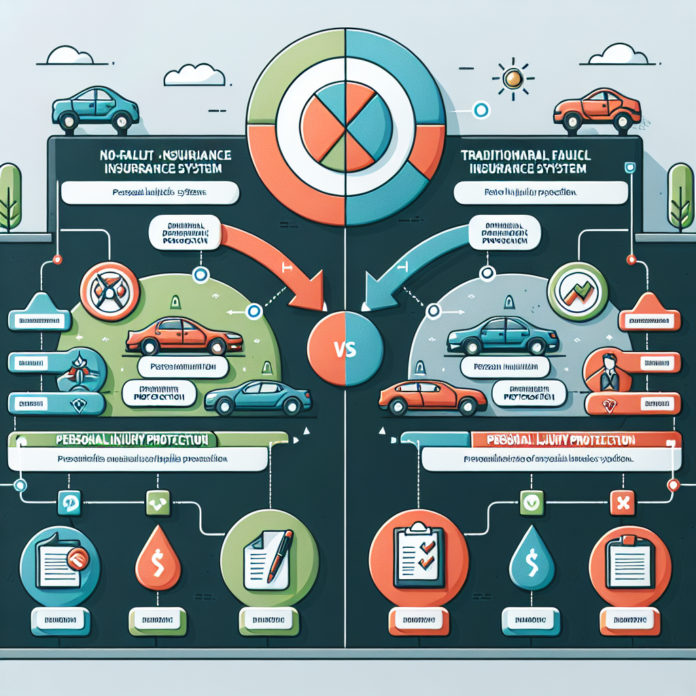
No-fault insurance systems are also seeing reforms aimed at protecting consumers better. In states with no-fault laws, individuals injured in car accidents often have limited options when it comes to suing for damages unless certain thresholds are met. New legislation is proposing adjustments that would allow more flexibility for victims to pursue claims even under no-fault systems.

Recent legislative changes are reshaping personal injury law by increasing damage caps and promoting transparency.

These shifts indicate that lawmakers are increasingly recognizing the need for injured parties to receive fair treatment and adequate compensation. As these trends continue to evolve, staying abreast of personal injury legal news will be crucial for both attorneys and individuals navigating this complex landscape.

The bottom line? Legislative changes aren't just legal jargon; they directly affect how victims seek justice after an injury. Keep an eye on these developments as they unfold—your rights may hinge on them!

In the world of personal injury law, legislative changes can feel like a sudden gust of wind that flips your carefully laid plans upside down. Just last year, California passed a law that dramatically alters how damages are calculated in personal injury cases, particularly in regards to medical expenses. This shift affects not just the plaintiffs but also how attorneys approach their cases.

Take, for example, a small business owner who suffers an injury due to negligence while on the job. Under the old rules, they might have expected compensation based on their past medical bills alone. However, with new legislation in place, future medical costs can now be factored into their claim—potentially increasing their settlement significantly.

Changes in Damage Caps

One of the most significant changes in recent years has been the adjustment of damage caps in certain states. For instance, some jurisdictions have lifted caps on non-economic damages like pain and suffering for specific cases involving egregious negligence or wrongful death. This means juries can now award larger sums when they believe the injury has profoundly affected a person's quality of life.

Imagine a scenario where a family loses a loved one due to reckless driving. Previously limited by arbitrary caps, juries can now fully express their outrage through compensation that reflects the true emotional and financial toll on families. This is a game-changer for advocates pushing for justice.

Shifts Towards Transparency

Another noteworthy trend is the push for increased transparency in insurance practices related to personal injury claims. New laws require insurers to disclose more information about how they calculate payouts and what factors influence their decisions. This move aims to level the playing field between claimants and powerful insurance companies.

We’re not talking about just throwing open the doors, says legal analyst Sarah Brown (not her real name). This is about making sure that injured parties know what they’re up against. With better insight into how insurance companies operate, plaintiffs can make more informed decisions about whether to settle or proceed with litigation.

Transparency laws are empowering injured parties by leveling the playing field against insurers.

No-Fault Insurance Changes

No-fault insurance systems are also seeing reforms aimed at protecting consumers better. In states with no-fault laws, individuals injured in car accidents often have limited options when it comes to suing for damages unless certain thresholds are met. New legislation is proposing adjustments that would allow more flexibility for victims to pursue claims even under no-fault systems.

Recent legislative changes are reshaping personal injury law by increasing damage caps and promoting transparency.

These shifts indicate that lawmakers are increasingly recognizing the need for injured parties to receive fair treatment and adequate compensation. As these trends continue to evolve, staying abreast of personal injury legal news will be crucial for both attorneys and individuals navigating this complex landscape.

The bottom line? Legislative changes aren't just legal jargon; they directly affect how victims seek justice after an injury. Keep an eye on these developments as they unfold—your rights may hinge on them!

Insurance Industry Responses to Recent Legal Developments

Picture this: a personal injury claimant walks into an insurance office, and instead of the usual cold reception, they're greeted with a warm smile and a checklist of their rights. Sounds dreamy, right? Well, recent legal developments are pushing insurers to rethink their game plan, and it's about time.

In the wake of landmark cases that have expanded the scope of compensable damages, insurance companies are scrambling like kids on the last day of school. With emotional distress claims gaining traction and accountability for gig economy workers becoming a hot topic, insurers are feeling the pressure to adapt. A report from the National Association of Insurance Commissioners revealed that nearly 75% of insurers are revising their policies to align with these new realities.

Policy Adjustments in Response to New Case Law

Insurers are now re-evaluating their coverage options and claims processing procedures. For instance, many companies have started including mental health coverage as part of standard policies. This is a direct response to courts recognizing psychological injuries as legitimate claims in personal injury legal news. Insurers know they can’t afford to be left behind; if they don’t adapt, they risk losing clients who expect comprehensive coverage.

  • Enhanced training for adjusters on emotional distress claims.
  • Revised underwriting processes that consider mental health history.
  • Increased transparency in policy terms regarding mental health coverage.

The Rise of Technology in Claims Processing

If you can’t beat them, join them seems to be the mantra for many insurance companies as they embrace technology to streamline claims processing. Drones capturing accident scenes? Check. AI-powered chatbots handling initial inquiries? Double check! Insurers are leveraging technology not just for efficiency but also to gather more accurate evidence in support of claims.

Tech-savvy insurers are gaining an edge by adapting quickly to new legal landscapes.

With the rise of alternative dispute resolution methods like mediation, says industry analyst Mark Thompson (not his real name), insurers are also investing in training their teams on negotiation skills. This shift towards ADR means that insurers must be prepared for more personalized interactions with claimants—no more cookie-cutter settlements!

Insurance companies that adapt quickly will not only retain clients but also attract new ones seeking modern solutions.

No-Fault Insurance Reforms and Their Impact

With no-fault insurance systems under scrutiny due to recent reforms, insurers are recalibrating how they handle claims. States lifting caps on non-economic damages mean insurers must brace for potentially larger payouts. For example, a family grieving over a wrongful death might now receive compensation reflective of their emotional suffering—a game-changer in how insurers calculate risk and liability.

  1. Reviewing risk assessment models based on new legislation.
  2. Adjusting premium rates accordingly.
  3. Increasing reserves for potential higher payouts.

As these reforms take hold, it’s crucial for both claimants and attorneys alike to stay informed about how these changes impact personal injury legal news. Remember: knowledge is power! Claimants who understand their rights can navigate negotiations more effectively and ensure they're getting what they deserve.

Picture this: a personal injury claimant walks into an insurance office, and instead of the usual cold reception, they're greeted with a warm smile and a checklist of their rights. Sounds dreamy, right? Well, recent legal developments are pushing insurers to rethink their game plan, and it's about time.

In the wake of landmark cases that have expanded the scope of compensable damages, insurance companies are scrambling like kids on the last day of school. With emotional distress claims gaining traction and accountability for gig economy workers becoming a hot topic, insurers are feeling the pressure to adapt. A report from the National Association of Insurance Commissioners revealed that nearly 75% of insurers are revising their policies to align with these new realities.

Policy Adjustments in Response to New Case Law

Insurers are now re-evaluating their coverage options and claims processing procedures. For instance, many companies have started including mental health coverage as part of standard policies. This is a direct response to courts recognizing psychological injuries as legitimate claims in personal injury legal news. Insurers know they can’t afford to be left behind; if they don’t adapt, they risk losing clients who expect comprehensive coverage.

  • Enhanced training for adjusters on emotional distress claims.
  • Revised underwriting processes that consider mental health history.
  • Increased transparency in policy terms regarding mental health coverage.

The Rise of Technology in Claims Processing

If you can’t beat them, join them seems to be the mantra for many insurance companies as they embrace technology to streamline claims processing. Drones capturing accident scenes? Check. AI-powered chatbots handling initial inquiries? Double check! Insurers are leveraging technology not just for efficiency but also to gather more accurate evidence in support of claims.

Tech-savvy insurers are gaining an edge by adapting quickly to new legal landscapes.

With the rise of alternative dispute resolution methods like mediation, says industry analyst Mark Thompson (not his real name), insurers are also investing in training their teams on negotiation skills. This shift towards ADR means that insurers must be prepared for more personalized interactions with claimants—no more cookie-cutter settlements!

Insurance companies that adapt quickly will not only retain clients but also attract new ones seeking modern solutions.

No-Fault Insurance Reforms and Their Impact

With no-fault insurance systems under scrutiny due to recent reforms, insurers are recalibrating how they handle claims. States lifting caps on non-economic damages mean insurers must brace for potentially larger payouts. For example, a family grieving over a wrongful death might now receive compensation reflective of their emotional suffering—a game-changer in how insurers calculate risk and liability.

  1. Reviewing risk assessment models based on new legislation.
  2. Adjusting premium rates accordingly.
  3. Increasing reserves for potential higher payouts.

As these reforms take hold, it’s crucial for both claimants and attorneys alike to stay informed about how these changes impact personal injury legal news. Remember: knowledge is power! Claimants who understand their rights can navigate negotiations more effectively and ensure they're getting what they deserve.

The Role of Social Media in Personal Injury Cases

Social media can be a double-edged sword for personal injury claimants. On one hand, it offers a platform for sharing experiences and garnering support; on the other, it can be the very thing that sinks your case. A staggering 40% of insurance companies admit to using social media to investigate claims, turning innocent posts into potentially incriminating evidence.

The Risks of Oversharing

Imagine this: you’ve just been in a car accident and are feeling the physical and emotional toll. You post about how you’re feeling better while out enjoying a sunny day at the park. What seems harmless could lead insurers to argue that your injuries aren’t as severe as claimed. This oversharing can seriously undermine your credibility in court.

How Insurers Use Social Media

Insurance adjusters are now sleuths of the digital age, sifting through your posts like detectives on a case. They look for inconsistencies between what you say about your injuries and what they see online. If you’re posting photos of yourself hiking or attending events shortly after an accident, they might use that against you, claiming you're not really suffering.

  • Claims of emotional distress can be weakened by joyful social media posts.
  • Publicly sharing details about your case can lead to unwanted scrutiny.
  • Inconsistencies between online activity and reported injuries can raise red flags.

Think before you post! What seems innocent could hurt your claim.

Navigating Social Media Wisely

So how do you navigate this minefield? First off, consider going dark—temporarily deactivating or limiting your accounts during the claims process might save you from future headaches. If that's too extreme, at least tighten up your privacy settings and restrict who can see your posts.

Secondly, think critically about what you're sharing. Posts that seem trivial to you could be leveraged in ways you never imagined. If it’s not directly related to your recovery or legal proceedings, it’s probably best left unsaid.

Key takeaway: Be cautious with social media during personal injury claims—your words may come back to haunt you.

Lastly, consult with your attorney about any concerns regarding social media activity before making posts that could impact your case. They’ll have strategies tailored specifically for navigating these waters safely.

Social media can be a double-edged sword for personal injury claimants. On one hand, it offers a platform for sharing experiences and garnering support; on the other, it can be the very thing that sinks your case. A staggering 40% of insurance companies admit to using social media to investigate claims, turning innocent posts into potentially incriminating evidence.

The Risks of Oversharing

Imagine this: you’ve just been in a car accident and are feeling the physical and emotional toll. You post about how you’re feeling better while out enjoying a sunny day at the park. What seems harmless could lead insurers to argue that your injuries aren’t as severe as claimed. This oversharing can seriously undermine your credibility in court.

How Insurers Use Social Media

Insurance adjusters are now sleuths of the digital age, sifting through your posts like detectives on a case. They look for inconsistencies between what you say about your injuries and what they see online. If you’re posting photos of yourself hiking or attending events shortly after an accident, they might use that against you, claiming you're not really suffering.

  • Claims of emotional distress can be weakened by joyful social media posts.
  • Publicly sharing details about your case can lead to unwanted scrutiny.
  • Inconsistencies between online activity and reported injuries can raise red flags.

Think before you post! What seems innocent could hurt your claim.

Navigating Social Media Wisely

So how do you navigate this minefield? First off, consider going dark—temporarily deactivating or limiting your accounts during the claims process might save you from future headaches. If that's too extreme, at least tighten up your privacy settings and restrict who can see your posts.

Secondly, think critically about what you're sharing. Posts that seem trivial to you could be leveraged in ways you never imagined. If it’s not directly related to your recovery or legal proceedings, it’s probably best left unsaid.

Key takeaway: Be cautious with social media during personal injury claims—your words may come back to haunt you.

Lastly, consult with your attorney about any concerns regarding social media activity before making posts that could impact your case. They’ll have strategies tailored specifically for navigating these waters safely.

The Intersection of Personal Injury Law and Public Health Issues

A staggering 1 in 4 adults in the U.S. experiences a mental health issue each year, yet many are unaware of how personal injury law intersects with public health. Imagine a scenario where someone suffers a severe injury due to negligence—this not only affects their physical health but can also lead to long-term psychological issues, creating a ripple effect that impacts public health as well.

Personal injury legal news is increasingly highlighting this intersection, as courts begin to recognize that injuries aren't just about physical damage. For instance, consider a construction worker who suffers a fall on the job. Beyond physical recovery, they may face anxiety and depression stemming from their inability to work and provide for their family. This situation exemplifies how personal injury claims are evolving to include mental health considerations.

Legal Precedents Shaping Public Health Outcomes

Recent court rulings are starting to reflect an understanding that personal injuries can have broader implications for public health. A notable case involved a large manufacturer whose defective products not only harmed individual consumers but also contributed to increased healthcare costs due to widespread injuries. The court ruled that the manufacturer was liable for both direct damages and the broader societal costs associated with their negligence.

Liability now extends beyond individual cases to encompass public health impacts.

The Role of Mental Health in Personal Injury Claims

Emotional distress is no longer an afterthought in personal injury claims; it’s front and center. Courts are increasingly allowing plaintiffs to seek damages for psychological harm alongside physical injuries. This shift acknowledges that mental health is intrinsically linked to physical well-being, especially in cases involving trauma.

Take the case of a woman injured in a car accident who develops PTSD as a result. Previously, her claim might have focused solely on medical bills and lost wages. Now, she can include therapy costs and compensation for emotional suffering, reflecting an understanding that her recovery involves more than just physical healing.

Mental health considerations are becoming essential in personal injury litigation.

The Ripple Effect: How Personal Injury Cases Affect Community Health

When individuals are injured due to negligence, the consequences often extend beyond them—affecting families, communities, and even healthcare systems at large. Consider an epidemic of workplace injuries in a factory; these incidents can lead not only to individual suffering but also increased insurance premiums and healthcare costs for everyone involved.

This creates an environment where public health initiatives must address safety regulations more rigorously because each injury represents not just one victim but potentially hundreds affected by rising healthcare costs or lost productivity.

As these trends continue evolving within personal injury law, it's crucial for practitioners and claimants alike to stay informed about how these changes could affect both individual cases and broader public health outcomes.

Understanding the link between personal injury law and public health can empower individuals seeking justice while promoting community well-being.

A staggering 1 in 4 adults in the U.S. experiences a mental health issue each year, yet many are unaware of how personal injury law intersects with public health. Imagine a scenario where someone suffers a severe injury due to negligence—this not only affects their physical health but can also lead to long-term psychological issues, creating a ripple effect that impacts public health as well.

Personal injury legal news is increasingly highlighting this intersection, as courts begin to recognize that injuries aren't just about physical damage. For instance, consider a construction worker who suffers a fall on the job. Beyond physical recovery, they may face anxiety and depression stemming from their inability to work and provide for their family. This situation exemplifies how personal injury claims are evolving to include mental health considerations.

Legal Precedents Shaping Public Health Outcomes

Recent court rulings are starting to reflect an understanding that personal injuries can have broader implications for public health. A notable case involved a large manufacturer whose defective products not only harmed individual consumers but also contributed to increased healthcare costs due to widespread injuries. The court ruled that the manufacturer was liable for both direct damages and the broader societal costs associated with their negligence.

Liability now extends beyond individual cases to encompass public health impacts.

The Role of Mental Health in Personal Injury Claims

Emotional distress is no longer an afterthought in personal injury claims; it’s front and center. Courts are increasingly allowing plaintiffs to seek damages for psychological harm alongside physical injuries. This shift acknowledges that mental health is intrinsically linked to physical well-being, especially in cases involving trauma.

Take the case of a woman injured in a car accident who develops PTSD as a result. Previously, her claim might have focused solely on medical bills and lost wages. Now, she can include therapy costs and compensation for emotional suffering, reflecting an understanding that her recovery involves more than just physical healing.

Mental health considerations are becoming essential in personal injury litigation.

The Ripple Effect: How Personal Injury Cases Affect Community Health

When individuals are injured due to negligence, the consequences often extend beyond them—affecting families, communities, and even healthcare systems at large. Consider an epidemic of workplace injuries in a factory; these incidents can lead not only to individual suffering but also increased insurance premiums and healthcare costs for everyone involved.

This creates an environment where public health initiatives must address safety regulations more rigorously because each injury represents not just one victim but potentially hundreds affected by rising healthcare costs or lost productivity.

As these trends continue evolving within personal injury law, it's crucial for practitioners and claimants alike to stay informed about how these changes could affect both individual cases and broader public health outcomes.

Understanding the link between personal injury law and public health can empower individuals seeking justice while promoting community well-being.

Evolving Standards for Expert Testimony in Personal Injury Cases

In the world of personal injury law, expert testimony has gone from being a sidekick to the main character in courtroom dramas. Recent trends show that courts are now placing a heavier emphasis on the qualifications and methodologies of experts, making it crucial for legal teams to stay sharp.

Imagine a scenario where a plaintiff's case hinges on the testimony of an orthopedic surgeon who claims their injuries have lifelong implications. If that surgeon's credentials are shaky or their methods questionable, the entire case could crumble faster than a poorly constructed sandcastle. The evolving standards mean that expert witnesses must not only be knowledgeable but also credible in their field.

The Daubert Standard: A Game Changer

One major shift in personal injury legal news is the increasing reliance on the Daubert standard. This legal framework requires judges to act as gatekeepers, evaluating whether expert testimony is both relevant and reliable before it even makes it to the jury. Think of judges as bouncers at an exclusive club; they’re not letting just anyone through the door.

Under this standard, experts must demonstrate that their methods are scientifically valid and can be replicated. So, if an accident reconstructionist uses outdated software or lacks peer-reviewed studies to back up their claims, they might find themselves unceremoniously shown the exit.

The Rise of Interdisciplinary Experts

Gone are the days when personal injury cases relied solely on traditional experts like doctors or engineers. Nowadays, attorneys are increasingly turning to interdisciplinary experts who can provide holistic perspectives on cases. For example, psychologists may testify about how physical injuries impact mental health, while vocational rehabilitation specialists can discuss lost earning potential.

This multifaceted approach not only strengthens a plaintiff’s case but also mirrors real-life complexities, says legal consultant Maria Johnson (not her real name). By bringing in diverse expertise, attorneys can paint a fuller picture for juries—one that resonates beyond mere numbers and medical jargon.

Interdisciplinary expertise is becoming essential for building robust personal injury cases.

The Challenge of Cross-Examination

With great power comes great responsibility, and this rings true for expert witnesses as well. As standards evolve, so do tactics employed during cross-examination. Opposing counsel will scrutinize every detail—credentials, biases, and methodologies—to undermine credibility.

A well-prepared witness is crucial, notes trial attorney Robert Smith (not his real name). They need to anticipate tough questions and defend their conclusions with confidence. This means experts must be ready not only with data but also with compelling narratives that connect with jurors.

In the world of personal injury law, expert testimony has gone from being a sidekick to the main character in courtroom dramas. Recent trends show that courts are now placing a heavier emphasis on the qualifications and methodologies of experts, making it crucial for legal teams to stay sharp.

Imagine a scenario where a plaintiff's case hinges on the testimony of an orthopedic surgeon who claims their injuries have lifelong implications. If that surgeon's credentials are shaky or their methods questionable, the entire case could crumble faster than a poorly constructed sandcastle. The evolving standards mean that expert witnesses must not only be knowledgeable but also credible in their field.

The Daubert Standard: A Game Changer

One major shift in personal injury legal news is the increasing reliance on the Daubert standard. This legal framework requires judges to act as gatekeepers, evaluating whether expert testimony is both relevant and reliable before it even makes it to the jury. Think of judges as bouncers at an exclusive club; they’re not letting just anyone through the door.

Under this standard, experts must demonstrate that their methods are scientifically valid and can be replicated. So, if an accident reconstructionist uses outdated software or lacks peer-reviewed studies to back up their claims, they might find themselves unceremoniously shown the exit.

The Rise of Interdisciplinary Experts

Gone are the days when personal injury cases relied solely on traditional experts like doctors or engineers. Nowadays, attorneys are increasingly turning to interdisciplinary experts who can provide holistic perspectives on cases. For example, psychologists may testify about how physical injuries impact mental health, while vocational rehabilitation specialists can discuss lost earning potential.

This multifaceted approach not only strengthens a plaintiff’s case but also mirrors real-life complexities, says legal consultant Maria Johnson (not her real name). By bringing in diverse expertise, attorneys can paint a fuller picture for juries—one that resonates beyond mere numbers and medical jargon.

Interdisciplinary expertise is becoming essential for building robust personal injury cases.

The Challenge of Cross-Examination

With great power comes great responsibility, and this rings true for expert witnesses as well. As standards evolve, so do tactics employed during cross-examination. Opposing counsel will scrutinize every detail—credentials, biases, and methodologies—to undermine credibility.

A well-prepared witness is crucial, notes trial attorney Robert Smith (not his real name). They need to anticipate tough questions and defend their conclusions with confidence. This means experts must be ready not only with data but also with compelling narratives that connect with jurors.

Insurance Industry Responses to Recent Legal Developments

Picture this: a personal injury claimant walks into an insurance office, and instead of the usual cold reception, they're greeted with a warm smile and a checklist of their rights. Sounds dreamy, right? Well, recent legal developments are pushing insurers to rethink their game plan, and it’s about time.

In the wake of landmark cases that have expanded the scope of compensable damages, insurance companies are scrambling like kids on the last day of school. With emotional distress claims gaining traction and accountability for gig economy workers becoming a hot topic, insurers are feeling the pressure to adapt. A report from the National Association of Insurance Commissioners revealed that nearly 75% of insurers are revising their policies to align with these new realities.

Policy Adjustments in Response to New Case Law

Insurers are now re-evaluating their coverage options and claims processing procedures. For instance, many companies have started including mental health coverage as part of standard policies. This is a direct response to courts recognizing psychological injuries as legitimate claims in personal injury legal news. Insurers know they can’t afford to be left behind; if they don’t adapt, they risk losing clients who expect comprehensive coverage.

  • Enhanced training for adjusters on emotional distress claims.
  • Revised underwriting processes that consider mental health history.
  • Increased transparency in policy terms regarding mental health coverage.

The Rise of Technology in Claims Processing

If you can’t beat them, join them seems to be the mantra for many insurance companies as they embrace technology to streamline claims processing. Drones capturing accident scenes? Check. AI-powered chatbots handling initial inquiries? Double check! Insurers are leveraging technology not just for efficiency but also to gather more accurate evidence in support of claims.

Tech-savvy insurers are gaining an edge by adapting quickly to new legal landscapes.

With the rise of alternative dispute resolution methods like mediation, says industry analyst Mark Thompson (not his real name), insurers are also investing in training their teams on negotiation skills. This shift towards ADR means that insurers must be prepared for more personalized interactions with claimants—no more cookie-cutter settlements!

Insurance companies that adapt quickly will not only retain clients but also attract new ones seeking modern solutions.

No-Fault Insurance Reforms and Their Impact

With no-fault insurance systems under scrutiny due to recent reforms, insurers are recalibrating how they handle claims. States lifting caps on non-economic damages mean insurers must brace for potentially larger payouts. For example, a family grieving over a wrongful death might now receive compensation reflective of their emotional suffering—a game-changer in how insurers calculate risk and liability.

  1. Reviewing risk assessment models based on new legislation.
  2. Adjusting premium rates accordingly.
  3. Increasing reserves for potential higher payouts.

As these reforms take hold, it’s crucial for both claimants and attorneys alike to stay informed about how these changes impact personal injury legal news. Remember: knowledge is power! Claimants who understand their rights can navigate negotiations more effectively and ensure they’re getting what they deserve.

The Role of Social Media in Personal Injury Cases

Social media can be a double-edged sword for personal injury claimants. On one hand, it offers a platform for sharing experiences and garnering support; on the other, it can be the very thing that sinks your case. A staggering 40% of insurance companies admit to using social media to investigate claims, turning innocent posts into potentially incriminating evidence.

The Risks of Oversharing

Imagine this: you’ve just been in a car accident and are feeling the physical and emotional toll. You post about how you’re feeling better while out enjoying a sunny day at the park. What seems harmless could lead insurers to argue that your injuries aren’t as severe as claimed. This oversharing can seriously undermine your credibility in court.

How Insurers Use Social Media

Insurance adjusters are now sleuths of the digital age, sifting through your posts like detectives on a case. They look for inconsistencies between what you say about your injuries and what they see online. If you’re posting photos of yourself hiking or attending events shortly after an accident, they might use that against you, claiming you’re not really suffering.

  • Claims of emotional distress can be weakened by joyful social media posts.
  • Publicly sharing details about your case can lead to unwanted scrutiny.
  • Inconsistencies between online activity and reported injuries can raise red flags.

Think before you post! What seems innocent could hurt your claim.

Navigating Social Media Wisely

So how do you navigate this minefield? First off, consider going dark—temporarily deactivating or limiting your accounts during the claims process might save you from future headaches. If that’s too extreme, at least tighten up your privacy settings and restrict who can see your posts.

Secondly, think critically about what you’re sharing. Posts that seem trivial to you could be leveraged in ways you never imagined. If it’s not directly related to your recovery or legal proceedings, it’s probably best left unsaid.

Key takeaway: Be cautious with social media during personal injury claims—your words may come back to haunt you.

Lastly, consult with your attorney about any concerns regarding social media activity before making posts that could impact your case. They’ll have strategies tailored specifically for navigating these waters safely.

The Intersection of Personal Injury Law and Public Health Issues

A staggering 1 in 4 adults in the U.S. experiences a mental health issue each year, yet many are unaware of how personal injury law intersects with public health. Imagine a scenario where someone suffers a severe injury due to negligence—this not only affects their physical health but can also lead to long-term psychological issues, creating a ripple effect that impacts public health as well.

Personal injury legal news is increasingly highlighting this intersection, as courts begin to recognize that injuries aren't just about physical damage. For instance, consider a construction worker who suffers a fall on the job. Beyond physical recovery, they may face anxiety and depression stemming from their inability to work and provide for their family. This situation exemplifies how personal injury claims are evolving to include mental health considerations.

Legal Precedents Shaping Public Health Outcomes

Recent court rulings are starting to reflect an understanding that personal injuries can have broader implications for public health. A notable case involved a large manufacturer whose defective products not only harmed individual consumers but also contributed to increased healthcare costs due to widespread injuries. The court ruled that the manufacturer was liable for both direct damages and the broader societal costs associated with their negligence.

Liability now extends beyond individual cases to encompass public health impacts.

The Role of Mental Health in Personal Injury Claims

Emotional distress is no longer an afterthought in personal injury claims; it’s front and center. Courts are increasingly allowing plaintiffs to seek damages for psychological harm alongside physical injuries. This shift acknowledges that mental health is intrinsically linked to physical well-being, especially in cases involving trauma.

Take the case of a woman injured in a car accident who develops PTSD as a result. Previously, her claim might have focused solely on medical bills and lost wages. Now, she can include therapy costs and compensation for emotional suffering, reflecting an understanding that her recovery involves more than just physical healing.

Mental health considerations are becoming essential in personal injury litigation.

The Ripple Effect: How Personal Injury Cases Affect Community Health

(Imagine an epidemic of workplace injuries in a factory; these incidents can lead not only to individual suffering but also increased insurance premiums and healthcare costs for everyone involved.) When individuals are injured due to negligence, the consequences often extend beyond them—affecting families, communities, and even healthcare systems at large.

This creates an environment where public health initiatives must address safety regulations more rigorously because each injury represents not just one victim but potentially hundreds affected by rising healthcare costs or lost productivity.

As these trends continue evolving within personal injury law, it’s crucial for practitioners and claimants alike to stay informed about how these changes could affect both individual cases and broader public health outcomes.

Understanding the link between personal injury law and public health can empower individuals seeking justice while promoting community well-being.

Evolving Standards for Expert Testimony in Personal Injury Cases

In the world of personal injury law, expert testimony has gone from being a sidekick to the main character in courtroom dramas. Recent trends show that courts are now placing a heavier emphasis on the qualifications and methodologies of experts, making it crucial for legal teams to stay sharp.

Imagine a scenario where a plaintiff's case hinges on the testimony of an orthopedic surgeon who claims their injuries have lifelong implications. If that surgeon's credentials are shaky or their methods questionable, the entire case could crumble faster than a poorly constructed sandcastle. The evolving standards mean that expert witnesses must not only be knowledgeable but also credible in their field.

The Daubert Standard: A Game Changer

One major shift in personal injury legal news is the increasing reliance on the Daubert standard. This legal framework requires judges to act as gatekeepers, evaluating whether expert testimony is both relevant and reliable before it even makes it to the jury. Think of judges as bouncers at an exclusive club; they’re not letting just anyone through the door.

Under this standard, experts must demonstrate that their methods are scientifically valid and can be replicated. So, if an accident reconstructionist uses outdated software or lacks peer-reviewed studies to back up their claims, they might find themselves unceremoniously shown the exit.

The Rise of Interdisciplinary Experts

Gone are the days when personal injury cases relied solely on traditional experts like doctors or engineers. Nowadays, attorneys are increasingly turning to interdisciplinary experts who can provide holistic perspectives on cases. For example, psychologists may testify about how physical injuries impact mental health, while vocational rehabilitation specialists can discuss lost earning potential.

This multifaceted approach not only strengthens a plaintiff’s case but also mirrors real-life complexities, says legal consultant Maria Johnson (not her real name). By bringing in diverse expertise, attorneys can paint a fuller picture for juries—one that resonates beyond mere numbers and medical jargon.

Interdisciplinary expertise is becoming essential for building robust personal injury cases.

The Challenge of Cross-Examination

With great power comes great responsibility, and this rings true for expert witnesses as well. As standards evolve, so do tactics employed during cross-examination. Opposing counsel will scrutinize every detail—credentials, biases, and methodologies—to undermine credibility.

A well-prepared witness is crucial; they need to anticipate tough questions and defend their conclusions with confidence.

Essential Legal Updates: Key Changes in Law You Need to Know

0

Essential Legal Updates: Key Changes in Law You Need to Know

Recent Legislative Changes Impacting Business Law

If you thought the business landscape was stable, think again. Recent legislative changes are shaking things up like a snow globe in a blizzard, and ignoring them could leave your business in a precarious position.

In the past year alone, over 30 states have implemented significant updates to their business laws.

Take California's new privacy law, for instance. The California Privacy Rights Act (CPRA) took effect on January 1, 2023, introducing stricter regulations on how businesses collect and handle personal data. This isn’t just a minor tweak; it’s akin to changing the entire game of Monopoly while everyone is still playing. Companies that fail to comply may face fines up to ,500 per violation. So if you're running an e-commerce site or any platform that collects user data, it’s time to revisit your privacy policies.

The Rise of Remote Work Regulations

The pandemic forever altered our work habits, and now lawmakers are catching up. States like New York and Illinois have enacted new remote work regulations that require businesses to provide clear policies regarding remote work arrangements. For example, companies must now offer written notice of their remote work policies and ensure compliance with wage and hour laws even when employees are clocking in from their couches. If you’re managing a hybrid workforce, this is crucial information you can’t afford to overlook.

Labor Laws: A Shift Towards Employee Rights

Employee rights is not just a buzzword anymore; it’s becoming law across various jurisdictions. For instance, new labor laws in states like Massachusetts mandate paid family leave for employees—a significant shift from previous regulations that often left workers scrambling without support during critical life events. This change means businesses need to rethink their employee benefits packages if they want to attract top talent without breaking the bank.

Legal updates are more than just changes; they are opportunities for businesses to adapt and thrive in an evolving landscape.

Navigating Tax Law Changes

Tax season might as well be synonymous with stressful season for many small business owners. But recent tax law changes can either lighten this burden or add more weight depending on how well you stay informed. For example, the federal government has introduced incentives for green energy investments—perfect for companies looking to reduce their carbon footprint while also enjoying financial perks. However, failing to understand these updates could mean missing out on potential savings or facing unexpected liabilities.

  • Stay updated on state-specific legal updates.
  • Consult with legal experts regularly.
  • Invest in compliance training for your team.

Legal updates may feel overwhelming at times but think of them as necessary road signs guiding you through the complex highway of business operations. Ignoring them isn’t an option if you want your venture to flourish.

If you thought the business landscape was stable, think again. Recent legislative changes are shaking things up like a snow globe in a blizzard, and ignoring them could leave your business in a precarious position.

In the past year alone, over 30 states have implemented significant updates to their business laws.

Take California's new privacy law, for instance. The California Privacy Rights Act (CPRA) took effect on January 1, 2023, introducing stricter regulations on how businesses collect and handle personal data. This isn’t just a minor tweak; it’s akin to changing the entire game of Monopoly while everyone is still playing. Companies that fail to comply may face fines up to $7,500 per violation. So if you're running an e-commerce site or any platform that collects user data, it’s time to revisit your privacy policies.

The Rise of Remote Work Regulations

The pandemic forever altered our work habits, and now lawmakers are catching up. States like New York and Illinois have enacted new remote work regulations that require businesses to provide clear policies regarding remote work arrangements. For example, companies must now offer written notice of their remote work policies and ensure compliance with wage and hour laws even when employees are clocking in from their couches. If you’re managing a hybrid workforce, this is crucial information you can’t afford to overlook.

Labor Laws: A Shift Towards Employee Rights

Employee rights is not just a buzzword anymore; it’s becoming law across various jurisdictions. For instance, new labor laws in states like Massachusetts mandate paid family leave for employees—a significant shift from previous regulations that often left workers scrambling without support during critical life events. This change means businesses need to rethink their employee benefits packages if they want to attract top talent without breaking the bank.

Legal updates are more than just changes; they are opportunities for businesses to adapt and thrive in an evolving landscape.

Navigating Tax Law Changes

Tax season might as well be synonymous with stressful season for many small business owners. But recent tax law changes can either lighten this burden or add more weight depending on how well you stay informed. For example, the federal government has introduced incentives for green energy investments—perfect for companies looking to reduce their carbon footprint while also enjoying financial perks. However, failing to understand these updates could mean missing out on potential savings or facing unexpected liabilities.

  • Stay updated on state-specific legal updates.
  • Consult with legal experts regularly.
  • Invest in compliance training for your team.

Legal updates may feel overwhelming at times but think of them as necessary road signs guiding you through the complex highway of business operations. Ignoring them isn’t an option if you want your venture to flourish.

Significant Revisions in Family Law

Imagine navigating a family law case only to find out that the rules have drastically changed overnight. Sounds like a plot twist in a legal drama, right? But that’s exactly what’s happening with the recent significant revisions in family law across various states.

In 2023 alone, over 20 states have revised their custody and divorce laws, aiming to better reflect modern family dynamics. This isn’t just administrative fluff; it’s reshaping how families approach separation and custody arrangements.

The Shift Towards Equal Parenting

One of the most notable changes is the trend towards equal parenting time. States like Arizona and New Jersey are moving away from the traditional primary custodian model. Instead, they’re promoting laws that support shared parenting as the norm. This shift recognizes that both parents play crucial roles in their children’s lives, and it’s about time! Research shows that children benefit emotionally and psychologically when they maintain strong relationships with both parents post-divorce.

Key Takeaway: Equal parenting laws can lead to healthier family dynamics and better outcomes for children.

Alimony Revisions: Who Pays What?

Let’s talk alimony—specifically, how many states are rethinking who pays what. Gone are the days of indefinite spousal support in many jurisdictions. States like Florida now mandate a more defined timeline for alimony payments based on the length of the marriage. So if you’re contemplating divorce or separation, understanding these new timelines is critical. It could save you from being financially shackled longer than necessary.

  • Short-term marriages may only require temporary support.
  • Long-term marriages might still see extended support but with clear limits.
  • Check your state’s specific guidelines to avoid surprises.

No-Fault Divorce: A Simpler Process

No-fault divorce is becoming more widespread, allowing couples to separate without placing blame on one another. This change aims to reduce conflict during an already emotional process. States like California have long embraced this model, but now others are following suit. The beauty of this approach? It minimizes courtroom drama—no one wants their dirty laundry aired publicly!

These legal updates aren’t just bureaucratic changes; they represent a cultural shift towards more equitable treatment of families post-separation. For anyone involved in family law—whether you’re an attorney or someone navigating personal circumstances—staying updated on these revisions is essential.

As we move forward through these changes, remember: knowledge is power! Familiarize yourself with your state’s latest legal updates so you can make informed decisions that best serve your family's needs.

Imagine navigating a family law case only to find out that the rules have drastically changed overnight. Sounds like a plot twist in a legal drama, right? But that’s exactly what’s happening with the recent significant revisions in family law across various states.

In 2023 alone, over 20 states have revised their custody and divorce laws, aiming to better reflect modern family dynamics. This isn’t just administrative fluff; it’s reshaping how families approach separation and custody arrangements.

The Shift Towards Equal Parenting

One of the most notable changes is the trend towards equal parenting time. States like Arizona and New Jersey are moving away from the traditional primary custodian model. Instead, they’re promoting laws that support shared parenting as the norm. This shift recognizes that both parents play crucial roles in their children’s lives, and it’s about time! Research shows that children benefit emotionally and psychologically when they maintain strong relationships with both parents post-divorce.

Key Takeaway: Equal parenting laws can lead to healthier family dynamics and better outcomes for children.

Alimony Revisions: Who Pays What?

Let’s talk alimony—specifically, how many states are rethinking who pays what. Gone are the days of indefinite spousal support in many jurisdictions. States like Florida now mandate a more defined timeline for alimony payments based on the length of the marriage. So if you’re contemplating divorce or separation, understanding these new timelines is critical. It could save you from being financially shackled longer than necessary.

  • Short-term marriages may only require temporary support.
  • Long-term marriages might still see extended support but with clear limits.
  • Check your state’s specific guidelines to avoid surprises.

No-Fault Divorce: A Simpler Process

No-fault divorce is becoming more widespread, allowing couples to separate without placing blame on one another. This change aims to reduce conflict during an already emotional process. States like California have long embraced this model, but now others are following suit. The beauty of this approach? It minimizes courtroom drama—no one wants their dirty laundry aired publicly!

These legal updates aren’t just bureaucratic changes; they represent a cultural shift towards more equitable treatment of families post-separation. For anyone involved in family law—whether you’re an attorney or someone navigating personal circumstances—staying updated on these revisions is essential.

As we move forward through these changes, remember: knowledge is power! Familiarize yourself with your state’s latest legal updates so you can make informed decisions that best serve your family's needs.

Criminal Justice Reforms and Their Implications

The criminal justice system is undergoing a seismic shift, and if you think it’s just a trend, think again. With nearly 70 million Americans having a criminal record, the need for reform is as urgent as ever. This isn’t just about legal updates; it’s about rethinking how we approach justice in our society.

Decriminalization of Certain Offenses

One of the most significant changes sweeping across states is the decriminalization of minor offenses, particularly related to drug use. For instance, Oregon has taken bold steps by decriminalizing possession of small amounts of hard drugs like heroin and methamphetamine. Instead of facing jail time, individuals are now directed towards rehabilitation services. This approach not only reduces prison overcrowding but also acknowledges that addiction is a health issue rather than a criminal one.

Key takeaway: Decriminalization can lead to better health outcomes and reduced recidivism rates.

Bail Reform: A Shift in Pre-Trial Justice

Another area seeing significant legal updates is bail reform. States like New Jersey have implemented policies that eliminate cash bail for many non-violent offenses. The idea? To prevent individuals from languishing in jail simply because they can’t afford to pay bail—a practice that disproportionately affects low-income communities. This shift not only promotes fairness but also encourages courts to focus on the risk posed by defendants rather than their financial status.

  • Pre-trial detention rates have dropped significantly.
  • billion saved annually from reduced incarceration costs.
  • Improved outcomes for low-income defendants.

Sentencing Reforms: A Move Towards Fairness

Three strikes laws are becoming less common as states reconsider mandatory minimum sentences that often lead to excessively long prison terms for non-violent crimes. California has led the charge with Proposition 47, which reclassifies certain felonies as misdemeanors, allowing thousands to reduce their sentences or avoid incarceration altogether. This reform highlights a growing recognition that harsh sentencing does not equate to public safety.

Incarceration rates have begun to decline in states implementing these reforms.

But it’s not all rainbows and butterflies—these reforms come with challenges. Policymakers must navigate public perception and pushback from those who fear rising crime rates. The reality? When implemented thoughtfully, these measures can lead to safer communities without compromising justice.

The criminal justice system is undergoing a seismic shift, and if you think it’s just a trend, think again. With nearly 70 million Americans having a criminal record, the need for reform is as urgent as ever. This isn’t just about legal updates; it’s about rethinking how we approach justice in our society.

Decriminalization of Certain Offenses

One of the most significant changes sweeping across states is the decriminalization of minor offenses, particularly related to drug use. For instance, Oregon has taken bold steps by decriminalizing possession of small amounts of hard drugs like heroin and methamphetamine. Instead of facing jail time, individuals are now directed towards rehabilitation services. This approach not only reduces prison overcrowding but also acknowledges that addiction is a health issue rather than a criminal one.

Key takeaway: Decriminalization can lead to better health outcomes and reduced recidivism rates.

Bail Reform: A Shift in Pre-Trial Justice

Another area seeing significant legal updates is bail reform. States like New Jersey have implemented policies that eliminate cash bail for many non-violent offenses. The idea? To prevent individuals from languishing in jail simply because they can’t afford to pay bail—a practice that disproportionately affects low-income communities. This shift not only promotes fairness but also encourages courts to focus on the risk posed by defendants rather than their financial status.

  • Pre-trial detention rates have dropped significantly.
  • $1 billion saved annually from reduced incarceration costs.
  • Improved outcomes for low-income defendants.

Sentencing Reforms: A Move Towards Fairness

Three strikes laws are becoming less common as states reconsider mandatory minimum sentences that often lead to excessively long prison terms for non-violent crimes. California has led the charge with Proposition 47, which reclassifies certain felonies as misdemeanors, allowing thousands to reduce their sentences or avoid incarceration altogether. This reform highlights a growing recognition that harsh sentencing does not equate to public safety.

Incarceration rates have begun to decline in states implementing these reforms.

But it’s not all rainbows and butterflies—these reforms come with challenges. Policymakers must navigate public perception and pushback from those who fear rising crime rates. The reality? When implemented thoughtfully, these measures can lead to safer communities without compromising justice.

Evolving Real Estate Regulations and Market Effects

The real estate market is experiencing a transformation that could make your head spin faster than a revolving door. With new regulations rolling out like a red carpet, the stakes have never been higher for buyers, sellers, and real estate professionals alike.

Consider this: according to the National Association of Realtors, nearly 40% of homebuyers reported that recent legal updates influenced their purchasing decisions. That’s not just a casual statistic; it’s a wake-up call for anyone involved in real estate transactions.

Impact of Zoning Law Changes

Zoning laws are the unsung heroes (or villains) of real estate. Recent changes in cities like Austin and Seattle have loosened restrictions on multi-family housing developments. This shift aims to tackle the housing crisis by increasing supply, but it’s also shaking up property values in ways that could leave investors scratching their heads.

Imagine you’re an investor eyeing a quaint single-family home in a neighborhood that just got rezoned for high-density apartments. What was once a cozy community could soon be bustling with new developments—meaning your property value might take a hit or, conversely, skyrocket as demand shifts. Understanding these zoning changes is crucial for making savvy investment decisions.

Environmental Regulations: A Game Changer

Green is more than just a color; it’s becoming the gold standard for real estate development. States are tightening environmental regulations to promote sustainable building practices. For example, California’s Title 24 requires stricter energy efficiency standards for new homes. This means builders must adapt or risk facing hefty fines.

But here’s where it gets interesting: these regulations can actually boost property values! Homes built with energy-efficient features often sell at premium prices because buyers are increasingly looking for sustainability. So while navigating legal updates may feel cumbersome, they can also be your golden ticket to higher returns.

'Legal updates in real estate aren't just hurdles; they’re opportunities for innovation and profit.'

The Rise of Tenant Protections

Tenant protections are gaining traction across many states as lawmakers aim to balance power dynamics between landlords and renters. New laws in places like New York City limit rent increases and enhance eviction protections—changes that can significantly impact rental income projections.

For landlords, these updates might feel like an uphill battle against rising operational costs and reduced profit margins. However, savvy landlords can pivot by focusing on tenant satisfaction—think longer leases and fewer vacancies—as a way to mitigate risks associated with these legal changes.

As we navigate through these evolving regulations, remember: staying informed isn’t just about compliance; it's about seizing opportunities before they pass you by.

The real estate market is experiencing a transformation that could make your head spin faster than a revolving door. With new regulations rolling out like a red carpet, the stakes have never been higher for buyers, sellers, and real estate professionals alike.

Consider this: according to the National Association of Realtors, nearly 40% of homebuyers reported that recent legal updates influenced their purchasing decisions. That’s not just a casual statistic; it’s a wake-up call for anyone involved in real estate transactions.

Impact of Zoning Law Changes

Zoning laws are the unsung heroes (or villains) of real estate. Recent changes in cities like Austin and Seattle have loosened restrictions on multi-family housing developments. This shift aims to tackle the housing crisis by increasing supply, but it’s also shaking up property values in ways that could leave investors scratching their heads.

Imagine you’re an investor eyeing a quaint single-family home in a neighborhood that just got rezoned for high-density apartments. What was once a cozy community could soon be bustling with new developments—meaning your property value might take a hit or, conversely, skyrocket as demand shifts. Understanding these zoning changes is crucial for making savvy investment decisions.

Environmental Regulations: A Game Changer

Green is more than just a color; it’s becoming the gold standard for real estate development. States are tightening environmental regulations to promote sustainable building practices. For example, California’s Title 24 requires stricter energy efficiency standards for new homes. This means builders must adapt or risk facing hefty fines.

But here’s where it gets interesting: these regulations can actually boost property values! Homes built with energy-efficient features often sell at premium prices because buyers are increasingly looking for sustainability. So while navigating legal updates may feel cumbersome, they can also be your golden ticket to higher returns.

'Legal updates in real estate aren't just hurdles; they’re opportunities for innovation and profit.'

The Rise of Tenant Protections

Tenant protections are gaining traction across many states as lawmakers aim to balance power dynamics between landlords and renters. New laws in places like New York City limit rent increases and enhance eviction protections—changes that can significantly impact rental income projections.

For landlords, these updates might feel like an uphill battle against rising operational costs and reduced profit margins. However, savvy landlords can pivot by focusing on tenant satisfaction—think longer leases and fewer vacancies—as a way to mitigate risks associated with these legal changes.

As we navigate through these evolving regulations, remember: staying informed isn’t just about compliance; it's about seizing opportunities before they pass you by.

Emerging Trends in Personal Injury Law

Personal injury law is like a game of chess—one wrong move and you could lose your case. But as we step into 2023, the board is shifting in unexpected ways, bringing new strategies and challenges for both attorneys and clients.

For instance, did you know that nearly 60% of personal injury claims are now influenced by social media evidence? That’s right! Posts, photos, and even comments can make or break a case faster than you can say Instagram filter.

Rise of Technology in Litigation

The integration of technology into personal injury law is no longer just a trend; it’s becoming essential. Virtual reality (VR) simulations are being used to recreate accident scenes, providing juries with an immersive experience that traditional photos simply can’t match. Imagine jurors walking through the scene of an accident as if they were really there—talk about raising the stakes!

Moreover, artificial intelligence (AI) tools are now assisting lawyers in sifting through mountains of data to find relevant case law faster than ever before. These advancements mean that attorneys can focus more on strategy and less on paperwork.

Changing Attitudes Towards Liability

Gone are the days when personal injury claims were viewed skeptically. There’s been a cultural shift toward recognizing the validity of these claims, especially in cases involving mental health impacts. Courts are increasingly acknowledging that emotional distress can be just as debilitating as physical injuries.

Important takeaway: This shift means plaintiffs may have a stronger case when they include psychological impacts alongside physical injuries.

The Impact of Legislative Changes

Legal updates in personal injury law are also being driven by state legislatures responding to public outcry over issues like insurance fraud and predatory practices by some insurers. For example, several states have enacted laws making it harder for insurance companies to deny claims without substantial evidence.

  • No-fault laws are gaining traction, limiting the ability to sue for pain and suffering unless certain thresholds are met.
  • Caps on damages awarded for non-economic losses are being debated in various states, which could significantly impact future settlements.

As we navigate these emerging trends in personal injury law, remember: adapting to changes isn’t just about compliance; it’s about positioning yourself for success. Whether you’re an attorney refining your practice or someone seeking justice after an accident, staying updated on legal developments will empower you to make informed decisions.

Personal injury law is like a game of chess—one wrong move and you could lose your case. But as we step into 2023, the board is shifting in unexpected ways, bringing new strategies and challenges for both attorneys and clients.

For instance, did you know that nearly 60% of personal injury claims are now influenced by social media evidence? That’s right! Posts, photos, and even comments can make or break a case faster than you can say Instagram filter.

Rise of Technology in Litigation

The integration of technology into personal injury law is no longer just a trend; it’s becoming essential. Virtual reality (VR) simulations are being used to recreate accident scenes, providing juries with an immersive experience that traditional photos simply can’t match. Imagine jurors walking through the scene of an accident as if they were really there—talk about raising the stakes!

Moreover, artificial intelligence (AI) tools are now assisting lawyers in sifting through mountains of data to find relevant case law faster than ever before. These advancements mean that attorneys can focus more on strategy and less on paperwork.

Changing Attitudes Towards Liability

Gone are the days when personal injury claims were viewed skeptically. There’s been a cultural shift toward recognizing the validity of these claims, especially in cases involving mental health impacts. Courts are increasingly acknowledging that emotional distress can be just as debilitating as physical injuries.

Important takeaway: This shift means plaintiffs may have a stronger case when they include psychological impacts alongside physical injuries.

The Impact of Legislative Changes

Legal updates in personal injury law are also being driven by state legislatures responding to public outcry over issues like insurance fraud and predatory practices by some insurers. For example, several states have enacted laws making it harder for insurance companies to deny claims without substantial evidence.

  • No-fault laws are gaining traction, limiting the ability to sue for pain and suffering unless certain thresholds are met.
  • Caps on damages awarded for non-economic losses are being debated in various states, which could significantly impact future settlements.

As we navigate these emerging trends in personal injury law, remember: adapting to changes isn’t just about compliance; it’s about positioning yourself for success. Whether you’re an attorney refining your practice or someone seeking justice after an accident, staying updated on legal developments will empower you to make informed decisions.

Technological Advances and Legal Adaptations

Legal updates are no longer just about dusty books and courtroom dramas; they’re now intertwined with the rapid pace of technological innovation. Did you know that in the last decade, the legal industry has seen a staggering increase of over 200% in technology adoption? That's not just a trend; it's a revolution!

Take, for instance, the rise of e-discovery tools. These platforms have transformed how attorneys sift through mountains of documents. No more late nights spent manually reviewing piles of paper—now, AI can do it in a fraction of the time. But here’s the catch: as these technologies evolve, so do the legal frameworks surrounding them.

Data Privacy Laws in the Age of Technology

With great power comes great responsibility, especially when it comes to data privacy. As businesses increasingly rely on digital platforms to collect user data, legal updates are scrambling to keep pace. The General Data Protection Regulation (GDPR) in Europe set a high bar for data protection, and now similar laws are cropping up worldwide. In California, for example, the California Consumer Privacy Act (CCPA) mandates that companies disclose what personal information they collect and provides consumers with rights over their data.

Ignoring these laws could lead to hefty fines—up to ,500 per violation under CCPA!

The Rise of Remote Legal Services

Zoom court isn’t just a funny meme; it's become a reality! The pandemic pushed many legal services online, prompting legislative bodies to adapt quickly. Courts across various jurisdictions have implemented rules allowing virtual hearings, making it easier for clients and lawyers to connect without geographical barriers.

But wait, you might ask—what about due process? Well, courts have also introduced measures ensuring that virtual proceedings maintain fairness and transparency. This is a classic case where technology meets law head-on.

Smart Contracts: A Legal Evolution

Smart contracts, powered by blockchain technology, are redefining how agreements are formed and enforced. These self-executing contracts automatically enforce terms based on pre-set conditions coded into them. Imagine buying a house where ownership transfers seamlessly once payment is made—no middlemen needed! However, this new frontier raises questions about jurisdiction and enforceability under existing contract law.

Smart contracts could eliminate disputes over contract terms but require new legal standards for validation.

So what does all this mean for you? Staying abreast of these technological advances is crucial for anyone involved in business or legal practices. Understanding how these innovations affect compliance requirements will empower you to navigate this evolving landscape effectively.

Legal updates are no longer just about dusty books and courtroom dramas; they’re now intertwined with the rapid pace of technological innovation. Did you know that in the last decade, the legal industry has seen a staggering increase of over 200% in technology adoption? That's not just a trend; it's a revolution!

Take, for instance, the rise of e-discovery tools. These platforms have transformed how attorneys sift through mountains of documents. No more late nights spent manually reviewing piles of paper—now, AI can do it in a fraction of the time. But here’s the catch: as these technologies evolve, so do the legal frameworks surrounding them.

Data Privacy Laws in the Age of Technology

With great power comes great responsibility, especially when it comes to data privacy. As businesses increasingly rely on digital platforms to collect user data, legal updates are scrambling to keep pace. The General Data Protection Regulation (GDPR) in Europe set a high bar for data protection, and now similar laws are cropping up worldwide. In California, for example, the California Consumer Privacy Act (CCPA) mandates that companies disclose what personal information they collect and provides consumers with rights over their data.

Ignoring these laws could lead to hefty fines—up to $7,500 per violation under CCPA!

The Rise of Remote Legal Services

Zoom court isn’t just a funny meme; it's become a reality! The pandemic pushed many legal services online, prompting legislative bodies to adapt quickly. Courts across various jurisdictions have implemented rules allowing virtual hearings, making it easier for clients and lawyers to connect without geographical barriers.

But wait, you might ask—what about due process? Well, courts have also introduced measures ensuring that virtual proceedings maintain fairness and transparency. This is a classic case where technology meets law head-on.

Smart Contracts: A Legal Evolution

Smart contracts, powered by blockchain technology, are redefining how agreements are formed and enforced. These self-executing contracts automatically enforce terms based on pre-set conditions coded into them. Imagine buying a house where ownership transfers seamlessly once payment is made—no middlemen needed! However, this new frontier raises questions about jurisdiction and enforceability under existing contract law.

Smart contracts could eliminate disputes over contract terms but require new legal standards for validation.

So what does all this mean for you? Staying abreast of these technological advances is crucial for anyone involved in business or legal practices. Understanding how these innovations affect compliance requirements will empower you to navigate this evolving landscape effectively.

International Legal Developments Affecting Domestic Law

Picture this: a small tech startup in San Francisco suddenly finds itself needing to comply with international data protection laws after signing a contract with a European client. What seemed like an exciting business opportunity has now turned into a legal maze that could lead to hefty fines if not navigated correctly.

International legal frameworks are increasingly influencing domestic law, and the stakes are high. For instance, the European Union's General Data Protection Regulation (GDPR) has become the gold standard for data privacy, prompting many U.S. companies to rethink their data handling practices even if they don't operate in Europe. Failing to adapt could mean penalties that would make your accountant weep.

The Ripple Effect of Global Treaties

Consider trade agreements like the United States-Mexico-Canada Agreement (USMCA). This treaty not only reshapes trade relations but also imposes new labor and environmental standards that domestic businesses must follow. A manufacturing company in Michigan, for example, now has to ensure compliance with stricter labor laws that aim to protect workers’ rights across all three countries. Ignoring these updates could mean losing out on lucrative contracts or facing legal repercussions.

  • Stay informed about international treaties affecting your industry.
  • Consult with legal experts who specialize in international law.
  • Regularly review your compliance measures to align with global standards.

Legal updates driven by international developments are not optional—they're essential for survival in today's interconnected world.

Human Rights Considerations

Human rights might sound like a lofty concept, but it’s increasingly finding its way into domestic legislation through international pressure. Countries are being held accountable for human rights abuses, influencing laws on everything from corporate governance to environmental regulations. A retail brand sourcing products from overseas factories may now face scrutiny over labor conditions due to evolving international human rights standards.

Key takeaway: Businesses must proactively address human rights issues in their supply chains or risk reputational damage and legal challenges.

In this rapidly changing landscape, keeping pace with legal updates means more than just ticking boxes; it means adapting your business strategy to thrive under new regulations. The question is: how prepared are you to navigate these waters?

Picture this: a small tech startup in San Francisco suddenly finds itself needing to comply with international data protection laws after signing a contract with a European client. What seemed like an exciting business opportunity has now turned into a legal maze that could lead to hefty fines if not navigated correctly.

International legal frameworks are increasingly influencing domestic law, and the stakes are high. For instance, the European Union's General Data Protection Regulation (GDPR) has become the gold standard for data privacy, prompting many U.S. companies to rethink their data handling practices even if they don't operate in Europe. Failing to adapt could mean penalties that would make your accountant weep.

The Ripple Effect of Global Treaties

Consider trade agreements like the United States-Mexico-Canada Agreement (USMCA). This treaty not only reshapes trade relations but also imposes new labor and environmental standards that domestic businesses must follow. A manufacturing company in Michigan, for example, now has to ensure compliance with stricter labor laws that aim to protect workers’ rights across all three countries. Ignoring these updates could mean losing out on lucrative contracts or facing legal repercussions.

  • Stay informed about international treaties affecting your industry.
  • Consult with legal experts who specialize in international law.
  • Regularly review your compliance measures to align with global standards.

Legal updates driven by international developments are not optional—they're essential for survival in today's interconnected world.

Human Rights Considerations

Human rights might sound like a lofty concept, but it’s increasingly finding its way into domestic legislation through international pressure. Countries are being held accountable for human rights abuses, influencing laws on everything from corporate governance to environmental regulations. A retail brand sourcing products from overseas factories may now face scrutiny over labor conditions due to evolving international human rights standards.

Key takeaway: Businesses must proactively address human rights issues in their supply chains or risk reputational damage and legal challenges.

In this rapidly changing landscape, keeping pace with legal updates means more than just ticking boxes; it means adapting your business strategy to thrive under new regulations. The question is: how prepared are you to navigate these waters?

Legal Playbook: Major Legal Issues Shaping Modern Sports

0

Legal Playbook: Major Legal Issues Shaping Modern Sports

Regulatory Frameworks Governing Professional Sports

Did you know that the National Football League (NFL) generates over billion annually? Yet, behind this staggering figure lies a complex web of regulations that govern everything from player safety to broadcasting rights. These frameworks aren't just red tape; they shape the very fabric of how sports operate today.

Take the recent changes in college sports as an example. With the NCAA's new Name, Image, and Likeness (NIL) rules, student-athletes can now profit from their personal brand. This shift not only impacts recruitment strategies but also raises questions about equity and fairness across different sports and institutions.

The Role of Federal and State Regulations

In the United States, both federal and state laws play significant roles in regulating professional sports. Federal laws address issues like discrimination and labor relations through acts such as the Americans with Disabilities Act and the National Labor Relations Act. Meanwhile, state regulations can vary widely — some states have specific laws governing gambling while others focus on athlete agents or consumer protection.

It’s crucial for teams and organizations to stay updated on both federal and state legal landscapes to avoid costly missteps.

International Regulations: A Global Game

Think globally, act locally rings especially true in professional sports. As leagues expand internationally, they must navigate a myriad of regulations across different jurisdictions. For instance, FIFA has its own regulatory framework governing international soccer that includes strict financial fair play rules aimed at preventing clubs from spending beyond their means.

What happens when a player transfers between countries? Each nation has its own set of employment laws that impact contracts, work permits, and even tax obligations. Clubs must tread carefully to ensure compliance while maximizing their roster potential.

In 2021 alone, FIFA imposed fines totaling over million related to breaches of its transfer regulations.

Player Safety Regulations: More Than Just Buzzwords

Player safety is no longer just a talking point; it’s a legal requirement. With lawsuits over concussions becoming more common, leagues like the NFL have had to implement stringent protocols regarding player health.

For example, the NFL’s Concussion Protocol mandates immediate removal from play for any player suspected of having a concussion — a move that not only protects athletes but also shields the league from potential lawsuits.

As these examples show, regulatory frameworks are not just bureaucratic hurdles; they are essential components that influence everything from how games are played to how teams negotiate contracts. The landscape is ever-evolving — keeping up with sports legal news is essential for anyone involved in professional athletics.

Did you know that the National Football League (NFL) generates over $12 billion annually? Yet, behind this staggering figure lies a complex web of regulations that govern everything from player safety to broadcasting rights. These frameworks aren't just red tape; they shape the very fabric of how sports operate today.

Take the recent changes in college sports as an example. With the NCAA's new Name, Image, and Likeness (NIL) rules, student-athletes can now profit from their personal brand. This shift not only impacts recruitment strategies but also raises questions about equity and fairness across different sports and institutions.

The Role of Federal and State Regulations

In the United States, both federal and state laws play significant roles in regulating professional sports. Federal laws address issues like discrimination and labor relations through acts such as the Americans with Disabilities Act and the National Labor Relations Act. Meanwhile, state regulations can vary widely — some states have specific laws governing gambling while others focus on athlete agents or consumer protection.

It’s crucial for teams and organizations to stay updated on both federal and state legal landscapes to avoid costly missteps.

International Regulations: A Global Game

Think globally, act locally rings especially true in professional sports. As leagues expand internationally, they must navigate a myriad of regulations across different jurisdictions. For instance, FIFA has its own regulatory framework governing international soccer that includes strict financial fair play rules aimed at preventing clubs from spending beyond their means.

What happens when a player transfers between countries? Each nation has its own set of employment laws that impact contracts, work permits, and even tax obligations. Clubs must tread carefully to ensure compliance while maximizing their roster potential.

In 2021 alone, FIFA imposed fines totaling over $2 million related to breaches of its transfer regulations.

Player Safety Regulations: More Than Just Buzzwords

Player safety is no longer just a talking point; it’s a legal requirement. With lawsuits over concussions becoming more common, leagues like the NFL have had to implement stringent protocols regarding player health.

For example, the NFL’s Concussion Protocol mandates immediate removal from play for any player suspected of having a concussion — a move that not only protects athletes but also shields the league from potential lawsuits.

As these examples show, regulatory frameworks are not just bureaucratic hurdles; they are essential components that influence everything from how games are played to how teams negotiate contracts. The landscape is ever-evolving — keeping up with sports legal news is essential for anyone involved in professional athletics.

Player Contracts and Labor Relations

Imagine a star quarterback, let’s call him Johnny Cannon, who just led his team to the Super Bowl. Now, picture him sitting at a negotiation table, armed with stats that would make any GM sweat. The stakes? His next contract could be worth hundreds of millions. But here’s the kicker: it’s not just about the money; it’s about the legal intricacies that shape every line of that contract.

In professional sports, player contracts are more than mere agreements; they’re complex documents laden with legal jargon that can make your head spin faster than a foul ball at a baseball game. These contracts dictate everything from salaries to endorsement deals and even how players can engage in social media. A misstep in understanding these terms can lead to costly disputes or even litigation.

The Collective Bargaining Agreement (CBA)

At the heart of player contracts is the Collective Bargaining Agreement (CBA), which serves as the blueprint for labor relations in sports leagues like the NFL and NBA. This legally binding document is negotiated between team owners and player unions, establishing rules on salaries, working conditions, and benefits. For instance, did you know that in 2021, NFL players secured a record billion in guaranteed money through their CBA? That’s no small feat!

However, CBAs aren’t set in stone; they evolve over time as new issues arise. Recently, mental health provisions have gained traction, reflecting a growing recognition of players’ well-being beyond physical injuries. This shift is crucial as it aligns with broader societal changes toward mental health awareness.

Contract Negotiation Pitfalls

Negotiating contracts isn’t just about haggling over numbers; it requires a keen understanding of legal implications. For example, rookie contracts often come with performance incentives that can be tricky to navigate. If Johnny Cannon doesn’t meet certain benchmarks—like touchdowns or passing yards—he might miss out on significant bonuses. And let’s not forget about clauses like morals or conduct detrimental to the team, which can lead to contract termination if he decides to hit up a nightclub instead of hitting the gym.

Important takeaway: Understanding contract nuances is vital for both players and agents to avoid pitfalls that could jeopardize careers.

Labor Disputes: When Negotiations Go South

Lockout—a term that sends shivers down every sports fan's spine. When negotiations between leagues and player unions break down, we face work stoppages that disrupt seasons and frustrate fans. The NBA experienced this firsthand in 2011 when a lockout lasted over four months due to disagreements over revenue sharing models.

But wait! There’s more! Labor disputes also highlight underlying issues like equity among players across different leagues or teams—think about how some athletes earn millions while others barely scrape by on minimum salaries despite similar workloads.

Imagine a star quarterback, let’s call him Johnny Cannon, who just led his team to the Super Bowl. Now, picture him sitting at a negotiation table, armed with stats that would make any GM sweat. The stakes? His next contract could be worth hundreds of millions. But here’s the kicker: it’s not just about the money; it’s about the legal intricacies that shape every line of that contract.

In professional sports, player contracts are more than mere agreements; they’re complex documents laden with legal jargon that can make your head spin faster than a foul ball at a baseball game. These contracts dictate everything from salaries to endorsement deals and even how players can engage in social media. A misstep in understanding these terms can lead to costly disputes or even litigation.

The Collective Bargaining Agreement (CBA)

At the heart of player contracts is the Collective Bargaining Agreement (CBA), which serves as the blueprint for labor relations in sports leagues like the NFL and NBA. This legally binding document is negotiated between team owners and player unions, establishing rules on salaries, working conditions, and benefits. For instance, did you know that in 2021, NFL players secured a record $1 billion in guaranteed money through their CBA? That’s no small feat!

However, CBAs aren’t set in stone; they evolve over time as new issues arise. Recently, mental health provisions have gained traction, reflecting a growing recognition of players’ well-being beyond physical injuries. This shift is crucial as it aligns with broader societal changes toward mental health awareness.

Contract Negotiation Pitfalls

Negotiating contracts isn’t just about haggling over numbers; it requires a keen understanding of legal implications. For example, rookie contracts often come with performance incentives that can be tricky to navigate. If Johnny Cannon doesn’t meet certain benchmarks—like touchdowns or passing yards—he might miss out on significant bonuses. And let’s not forget about clauses like morals or conduct detrimental to the team, which can lead to contract termination if he decides to hit up a nightclub instead of hitting the gym.

Important takeaway: Understanding contract nuances is vital for both players and agents to avoid pitfalls that could jeopardize careers.

Labor Disputes: When Negotiations Go South

Lockout—a term that sends shivers down every sports fan's spine. When negotiations between leagues and player unions break down, we face work stoppages that disrupt seasons and frustrate fans. The NBA experienced this firsthand in 2011 when a lockout lasted over four months due to disagreements over revenue sharing models.

But wait! There’s more! Labor disputes also highlight underlying issues like equity among players across different leagues or teams—think about how some athletes earn millions while others barely scrape by on minimum salaries despite similar workloads.

Intellectual Property Rights in Sports Branding

Ever heard that the value of sports branding can be worth more than the actual teams? Just look at the New York Yankees: their brand alone is estimated to be worth over billion. But what happens when someone tries to cash in on that brand without permission? Cue the legal drama.

In the world of sports, intellectual property (IP) rights are not just legal jargon; they’re the lifeblood of branding and merchandising. Athletes, teams, and leagues rely on their trademarks and copyrights to protect everything from logos to catchphrases. A single misstep in IP management can lead to financial losses that could rival a bad season.

Trademarking Team Names and Logos

Trademarking is essential for any sports organization looking to secure its identity. Think about it: when you see a swoosh or a big cat logo, you immediately associate it with certain values, emotions, or even memories of epic games. But trademarking isn’t just about securing a logo; it’s also about enforcing it against unauthorized use.

For instance, when a minor league team tried to use a similar logo as the Chicago Cubs, the Cubs didn’t just send a cease-and-desist letter; they went full throttle with legal action. Why? Because if they let one instance slide, they risk diluting their brand's power—an absolute no-no in sports branding.

Copyright Issues with Merchandise

Merchandising is where IP rights really flex their muscles. Teams often create unique designs for jerseys and other gear that embody their spirit. However, unauthorized vendors love to swoop in and create knock-offs—think cheap jerseys sold out of the back of a van at your local flea market.

Important takeaway: Protecting your merchandise through copyright isn’t just smart; it’s crucial for maintaining revenue streams.

But wait, you might say, isn’t this just business as usual? Not quite! In recent years, several high-profile lawsuits have emerged where athletes like LeBron James have fought against unauthorized merchandise bearing their likenesses. The courts have sided with these athletes more often than not—further solidifying their control over personal branding.

Fair Use vs. Infringement

Fair use is often touted as a get-out-of-jail-free card for creators wanting to use trademarked material without permission. But here’s the rub: fair use is murky territory at best! Take fan art or parody merchandise—while you might think it's harmless fun, teams can—and do—take action if they feel their brand is being misrepresented or diluted.

In 2020 alone, there were over 1,000 trademark infringement cases filed by sports entities.

'So what's the bottom line?' You might ask. It's simple: understanding IP rights isn't just for lawyers in suits; it's vital for athletes and organizations alike who want to navigate this complex landscape successfully.

Ever heard that the value of sports branding can be worth more than the actual teams? Just look at the New York Yankees: their brand alone is estimated to be worth over $7 billion. But what happens when someone tries to cash in on that brand without permission? Cue the legal drama.

In the world of sports, intellectual property (IP) rights are not just legal jargon; they’re the lifeblood of branding and merchandising. Athletes, teams, and leagues rely on their trademarks and copyrights to protect everything from logos to catchphrases. A single misstep in IP management can lead to financial losses that could rival a bad season.

Trademarking Team Names and Logos

Trademarking is essential for any sports organization looking to secure its identity. Think about it: when you see a swoosh or a big cat logo, you immediately associate it with certain values, emotions, or even memories of epic games. But trademarking isn’t just about securing a logo; it’s also about enforcing it against unauthorized use.

For instance, when a minor league team tried to use a similar logo as the Chicago Cubs, the Cubs didn’t just send a cease-and-desist letter; they went full throttle with legal action. Why? Because if they let one instance slide, they risk diluting their brand's power—an absolute no-no in sports branding.

Copyright Issues with Merchandise

Merchandising is where IP rights really flex their muscles. Teams often create unique designs for jerseys and other gear that embody their spirit. However, unauthorized vendors love to swoop in and create knock-offs—think cheap jerseys sold out of the back of a van at your local flea market.

Important takeaway: Protecting your merchandise through copyright isn’t just smart; it’s crucial for maintaining revenue streams.

But wait, you might say, isn’t this just business as usual? Not quite! In recent years, several high-profile lawsuits have emerged where athletes like LeBron James have fought against unauthorized merchandise bearing their likenesses. The courts have sided with these athletes more often than not—further solidifying their control over personal branding.

Fair Use vs. Infringement

Fair use is often touted as a get-out-of-jail-free card for creators wanting to use trademarked material without permission. But here’s the rub: fair use is murky territory at best! Take fan art or parody merchandise—while you might think it's harmless fun, teams can—and do—take action if they feel their brand is being misrepresented or diluted.

In 2020 alone, there were over 1,000 trademark infringement cases filed by sports entities.

'So what's the bottom line?' You might ask. It's simple: understanding IP rights isn't just for lawyers in suits; it's vital for athletes and organizations alike who want to navigate this complex landscape successfully.

Liability Issues and Risk Management in Athletics

Imagine a star athlete, let’s call her Mia Thunder, who just signed a multi-million dollar contract. One fateful day during practice, she slips on a wet spot and tears her ACL. Now, not only is Mia facing surgery and rehab, but the team is also staring down the barrel of potential lawsuits. This scenario isn’t just hypothetical; it’s a reality many organizations grapple with when it comes to liability issues in sports.

Liability in athletics extends beyond just player injuries; it encompasses everything from fan safety to negligent hiring practices. With sports being a contact-heavy industry, the stakes are high. According to the National Center for Catastrophic Sports Injury Research, there were over 100 reported catastrophic injuries in high school sports in 2020 alone. These statistics underscore the importance of robust risk management strategies.

Understanding Liability Types

There are three main types of liability that teams and organizations need to consider:

  • 1. Negligence: This occurs when an organization fails to act with reasonable care, leading to injury or harm.
  • 2. Strict Liability: In some cases, teams can be held liable for injuries regardless of fault — think defective equipment.
  • 3. Vicarious Liability: This holds employers responsible for the actions of their employees while performing their duties.

Each type presents unique challenges and requires tailored risk management approaches.

Proactive Risk Management Strategies

Risk management isn’t just a legal buzzword; it’s essential for protecting athletes and organizations alike. Here are some proactive strategies:

  1. 1. Implement Comprehensive Safety Protocols: Regularly inspect facilities and equipment to ensure they meet safety standards.
  2. 2. Train Staff on Emergency Response: Equip coaches and staff with first-aid training so they can respond swiftly to injuries.
  3. 3. Use Waivers Wisely: While waivers can't eliminate liability, they can help mitigate risks by ensuring participants understand potential dangers.

Imagine a star athlete, let’s call her Mia Thunder, who just signed a multi-million dollar contract. One fateful day during practice, she slips on a wet spot and tears her ACL. Now, not only is Mia facing surgery and rehab, but the team is also staring down the barrel of potential lawsuits. This scenario isn’t just hypothetical; it’s a reality many organizations grapple with when it comes to liability issues in sports.

Liability in athletics extends beyond just player injuries; it encompasses everything from fan safety to negligent hiring practices. With sports being a contact-heavy industry, the stakes are high. According to the National Center for Catastrophic Sports Injury Research, there were over 100 reported catastrophic injuries in high school sports in 2020 alone. These statistics underscore the importance of robust risk management strategies.

Understanding Liability Types

There are three main types of liability that teams and organizations need to consider:

  • 1. Negligence: This occurs when an organization fails to act with reasonable care, leading to injury or harm.
  • 2. Strict Liability: In some cases, teams can be held liable for injuries regardless of fault — think defective equipment.
  • 3. Vicarious Liability: This holds employers responsible for the actions of their employees while performing their duties.

Each type presents unique challenges and requires tailored risk management approaches.

Proactive Risk Management Strategies

Risk management isn’t just a legal buzzword; it’s essential for protecting athletes and organizations alike. Here are some proactive strategies:

  1. 1. Implement Comprehensive Safety Protocols: Regularly inspect facilities and equipment to ensure they meet safety standards.
  2. 2. Train Staff on Emergency Response: Equip coaches and staff with first-aid training so they can respond swiftly to injuries.
  3. 3. Use Waivers Wisely: While waivers can't eliminate liability, they can help mitigate risks by ensuring participants understand potential dangers.

The Intersection of Technology and Sports Law

As the world of sports races into the digital age, it turns out that technology is not just a spectator; it's a key player in shaping sports law. With over 80% of sports organizations now using data analytics to enhance performance and fan engagement, the legal ramifications are as vast as they are complex.

Take the rise of wearable technology, for instance. Devices that track player performance and health metrics can provide invaluable insights, but they also raise questions about data privacy and ownership. If a player’s biometric data is collected during practice, who owns that information? The team? The player? Or the tech company that makes the device? These are not just hypothetical dilemmas; they’re real issues that could end up in court.

Data Privacy Concerns

With great data comes great responsibility—or at least it should. The use of tracking technologies in sports has exploded, but many teams fail to consider how to handle this data ethically and legally. For example, in 2022, a scandal erupted when it was revealed that a major league team was sharing players' health data with third parties without proper consent. This led to lawsuits and significant reputational damage.

Important takeaway: Organizations must implement robust data governance policies to protect athletes' personal information.

The Impact of Social Media

Social media has transformed how fans interact with athletes and teams—but it’s also a minefield of legal issues. From defamation claims to intellectual property disputes over viral memes, the potential for legal entanglements is ever-present. Consider an athlete who posts something controversial on Twitter; if it damages their brand or leads to fan backlash, can the team hold them accountable for breach of contract?

Athletes need to be aware that their online presence can have real-world consequences, says a sports attorney specializing in social media law. What might seem like harmless banter could lead to significant legal repercussions.

Emerging Technologies: AI and Blockchain

Artificial Intelligence (AI) is revolutionizing game strategies and fan experiences, but it also raises concerns around fairness and transparency. If AI algorithms are used for player evaluations or game officiating, how do we ensure these systems are free from bias? In 2021, an NBA team faced scrutiny when its AI-driven scouting reports were accused of favoring certain demographics over others.

Blockchain technology offers promising solutions for ticket sales and merchandise authenticity, yet its integration into sports law remains uncharted territory. Legal frameworks have yet to catch up with these innovations—leaving teams vulnerable to fraud or intellectual property violations.

In 2020 alone, over billion was lost due to ticket fraud in sports events.

As the world of sports races into the digital age, it turns out that technology is not just a spectator; it's a key player in shaping sports law. With over 80% of sports organizations now using data analytics to enhance performance and fan engagement, the legal ramifications are as vast as they are complex.

Take the rise of wearable technology, for instance. Devices that track player performance and health metrics can provide invaluable insights, but they also raise questions about data privacy and ownership. If a player’s biometric data is collected during practice, who owns that information? The team? The player? Or the tech company that makes the device? These are not just hypothetical dilemmas; they’re real issues that could end up in court.

Data Privacy Concerns

With great data comes great responsibility—or at least it should. The use of tracking technologies in sports has exploded, but many teams fail to consider how to handle this data ethically and legally. For example, in 2022, a scandal erupted when it was revealed that a major league team was sharing players' health data with third parties without proper consent. This led to lawsuits and significant reputational damage.

Important takeaway: Organizations must implement robust data governance policies to protect athletes' personal information.

The Impact of Social Media

Social media has transformed how fans interact with athletes and teams—but it’s also a minefield of legal issues. From defamation claims to intellectual property disputes over viral memes, the potential for legal entanglements is ever-present. Consider an athlete who posts something controversial on Twitter; if it damages their brand or leads to fan backlash, can the team hold them accountable for breach of contract?

Athletes need to be aware that their online presence can have real-world consequences, says a sports attorney specializing in social media law. What might seem like harmless banter could lead to significant legal repercussions.

Emerging Technologies: AI and Blockchain

Artificial Intelligence (AI) is revolutionizing game strategies and fan experiences, but it also raises concerns around fairness and transparency. If AI algorithms are used for player evaluations or game officiating, how do we ensure these systems are free from bias? In 2021, an NBA team faced scrutiny when its AI-driven scouting reports were accused of favoring certain demographics over others.

Blockchain technology offers promising solutions for ticket sales and merchandise authenticity, yet its integration into sports law remains uncharted territory. Legal frameworks have yet to catch up with these innovations—leaving teams vulnerable to fraud or intellectual property violations.

In 2020 alone, over $1 billion was lost due to ticket fraud in sports events.

Diversity, Equity, and Inclusion Initiatives in Sports Law

It’s a staggering fact that only 20% of leadership positions in major sports leagues are held by women. This glaring disparity highlights a critical need for diversity, equity, and inclusion (DEI) initiatives within sports law. As the landscape of professional athletics evolves, so too must the legal frameworks that govern them.

Take the case of the NBA's Basketball is for Everyone campaign. This initiative not only promotes inclusivity but also seeks to address systemic barriers that have historically marginalized certain groups in sports. The legal implications here are profound — from ensuring equitable hiring practices to preventing discrimination based on gender or ethnicity.

The Legal Framework Supporting DEI

Legislation like Title IX has been instrumental in promoting gender equity in educational institutions, including collegiate athletics. However, the application of such laws in professional leagues is often murky. Many organizations are now proactively revisiting their policies to ensure compliance and foster an inclusive environment.

The Rooney Rule is another example worth noting. Originally implemented in the NFL, it mandates that teams interview minority candidates for head coaching and senior football operation jobs. While it’s a step in the right direction, critics argue it often results in token interviews rather than genuine consideration.

In 2022, only three out of thirty NFL teams had minority head coaches.

Challenges and Critiques of DEI Initiatives

Diversity washing is a term gaining traction as organizations tout their DEI efforts without implementing meaningful change. This performative approach can lead to backlash and skepticism among fans and employees alike.

Look at Major League Baseball (MLB), which has faced criticism for its lack of diversity among players and executives despite various initiatives aimed at improving representation. The disparity between intention and impact raises questions about accountability within these organizations.

  • Establishing clear metrics for success
  • Ensuring diverse representation on decision-making boards
  • Implementing mandatory training programs on implicit bias
Organizations need to commit not just to diversity quotas but also to fostering an inclusive culture where all voices are heard.

The Future of DEI in Sports Law

As we look ahead, it’s clear that DEI initiatives will become even more integral to sports law. With growing public scrutiny and social media accountability, leagues must adapt or risk losing both talent and fan support.

It’s a staggering fact that only 20% of leadership positions in major sports leagues are held by women. This glaring disparity highlights a critical need for diversity, equity, and inclusion (DEI) initiatives within sports law. As the landscape of professional athletics evolves, so too must the legal frameworks that govern them.

Take the case of the NBA's Basketball is for Everyone campaign. This initiative not only promotes inclusivity but also seeks to address systemic barriers that have historically marginalized certain groups in sports. The legal implications here are profound — from ensuring equitable hiring practices to preventing discrimination based on gender or ethnicity.

The Legal Framework Supporting DEI

Legislation like Title IX has been instrumental in promoting gender equity in educational institutions, including collegiate athletics. However, the application of such laws in professional leagues is often murky. Many organizations are now proactively revisiting their policies to ensure compliance and foster an inclusive environment.

The Rooney Rule is another example worth noting. Originally implemented in the NFL, it mandates that teams interview minority candidates for head coaching and senior football operation jobs. While it’s a step in the right direction, critics argue it often results in token interviews rather than genuine consideration.

In 2022, only three out of thirty NFL teams had minority head coaches.

Challenges and Critiques of DEI Initiatives

Diversity washing is a term gaining traction as organizations tout their DEI efforts without implementing meaningful change. This performative approach can lead to backlash and skepticism among fans and employees alike.

Look at Major League Baseball (MLB), which has faced criticism for its lack of diversity among players and executives despite various initiatives aimed at improving representation. The disparity between intention and impact raises questions about accountability within these organizations.

  • Establishing clear metrics for success
  • Ensuring diverse representation on decision-making boards
  • Implementing mandatory training programs on implicit bias
Organizations need to commit not just to diversity quotas but also to fostering an inclusive culture where all voices are heard.

The Future of DEI in Sports Law

As we look ahead, it’s clear that DEI initiatives will become even more integral to sports law. With growing public scrutiny and social media accountability, leagues must adapt or risk losing both talent and fan support.

Emerging Legal Challenges from Social Media Influence

Social media has morphed from a playful platform for sharing cat memes into a battleground for reputations and legal disputes. In fact, a staggering 70% of athletes have faced some form of backlash due to their social media activity, making it clear that the stakes are high.

Consider the case of a well-known NBA player who posted a controversial opinion on Twitter, sparking outrage among fans and sponsors alike. The fallout? A significant loss in endorsements and a stern warning from his team about future conduct. This isn’t just an isolated incident; it’s becoming the norm as athletes navigate the complex interplay between their online personas and professional obligations.

The Legal Minefield of Defamation

Defamation claims are on the rise as athletes become more vocal online. A single tweet can lead to lawsuits that not only drain bank accounts but also tarnish reputations. What’s more alarming is how quickly these cases can escalate; one poorly-worded post could turn into a multi-million-dollar legal battle faster than you can say retweet.

Athletes need to think before they tweet — the legal consequences can be severe.

Intellectual Property: The Meme Dilemma

Fair use may sound like an easy escape route for creators wanting to use trademarked material, but it’s often a slippery slope. Take that viral meme featuring an athlete's likeness — while it might seem harmless, teams can and do take action if they feel their brand is being misrepresented or diluted.

In 2020 alone, over 1,000 trademark infringement cases were filed by sports entities, highlighting how serious these issues have become. Athletes must be savvy about how their images are used online; otherwise, they risk losing control over their personal brand.

In recent years, several high-profile lawsuits have emerged where athletes like LeBron James fought against unauthorized merchandise bearing their likenesses.

Cancel Culture and Contractual Obligations

Cancel culture isn’t just a trend; it’s reshaping how teams approach contracts with players. If an athlete makes headlines for all the wrong reasons online, teams may find themselves grappling with breach of contract claims or even termination clauses that were never intended to be activated.

Social media has morphed from a playful platform for sharing cat memes into a battleground for reputations and legal disputes. In fact, a staggering 70% of athletes have faced some form of backlash due to their social media activity, making it clear that the stakes are high.

Consider the case of a well-known NBA player who posted a controversial opinion on Twitter, sparking outrage among fans and sponsors alike. The fallout? A significant loss in endorsements and a stern warning from his team about future conduct. This isn’t just an isolated incident; it’s becoming the norm as athletes navigate the complex interplay between their online personas and professional obligations.

The Legal Minefield of Defamation

Defamation claims are on the rise as athletes become more vocal online. A single tweet can lead to lawsuits that not only drain bank accounts but also tarnish reputations. What’s more alarming is how quickly these cases can escalate; one poorly-worded post could turn into a multi-million-dollar legal battle faster than you can say retweet.

Athletes need to think before they tweet — the legal consequences can be severe.

Intellectual Property: The Meme Dilemma

Fair use may sound like an easy escape route for creators wanting to use trademarked material, but it’s often a slippery slope. Take that viral meme featuring an athlete's likeness — while it might seem harmless, teams can and do take action if they feel their brand is being misrepresented or diluted.

In 2020 alone, over 1,000 trademark infringement cases were filed by sports entities, highlighting how serious these issues have become. Athletes must be savvy about how their images are used online; otherwise, they risk losing control over their personal brand.

In recent years, several high-profile lawsuits have emerged where athletes like LeBron James fought against unauthorized merchandise bearing their likenesses.

Cancel Culture and Contractual Obligations

Cancel culture isn’t just a trend; it’s reshaping how teams approach contracts with players. If an athlete makes headlines for all the wrong reasons online, teams may find themselves grappling with breach of contract claims or even termination clauses that were never intended to be activated.

Gambling Legislation and Its Effects on Professional Sports

Did you know that the legal sports betting market in the U.S. is projected to reach billion by 2025? That’s a staggering figure that reflects a seismic shift in how gambling intertwines with professional sports. No longer relegated to smoky back rooms or clandestine bookies, betting has become front and center in the sporting world.

This transformation began in 2018 when the Supreme Court struck down the federal ban on sports betting, allowing states to decide whether they wanted to legalize it. Fast forward to today, and more than half of U.S. states have jumped on the bandwagon, with sports leagues themselves often partnering with sportsbooks for lucrative deals.

The Financial Windfall

For leagues like the NFL and NBA, legalized gambling is a financial goldmine. Teams are raking in revenue through sponsorships and advertising deals with sportsbooks. For instance, the NFL has recently inked multi-million dollar partnerships with major betting companies like DraftKings and FanDuel. This influx of cash can be used for player development, facility upgrades, or even enhancing fan experiences.

However, this financial boon comes with its own set of challenges.

Integrity Risks: A Double-Edged Sword

While money talks, it also raises eyebrows. The more gambling becomes embedded in sports culture, the greater the risk of integrity issues—think match-fixing or point-shaving scandals that could tarnish league reputations. Just last year, a college basketball player faced suspension after being caught betting on games involving his own team—a cautionary tale for all involved.

Integrity fees are now part of discussions among leagues and states—a way for leagues to get a slice of the betting pie while ensuring fair play remains intact. But how effective are these measures? Critics argue that they’re just another way for leagues to cash in without truly addressing potential corruption.

Fan Engagement vs Gambling Addiction

Betting enhances fan engagement, many league executives proclaim—after all, what better way to keep fans glued to their screens during games than by having something at stake? But this raises ethical questions about promoting gambling as an entertainment avenue while neglecting its addictive nature.

Responsible gaming initiatives are being rolled out by various organizations to combat potential addiction problems among fans. Yet critics argue that these measures often fall short of making a meaningful impact. The responsibility shouldn't solely lie with consumers; leagues must also take accountability for how they market these opportunities.

In 2021 alone, over billion was wagered legally on NCAA sporting events.

As we navigate this new landscape of legalized gambling in professional sports, staying updated on current trends is essential for anyone involved—whether you're a fan, player, or team executive. The intersection of gambling legislation and sports is complex but undeniably pivotal as we move forward.

So what’s next? Keep an eye on state regulations as they evolve alongside public sentiment about gambling—this will shape not just how teams operate financially but also how they maintain integrity within their games.

Did you know that the legal sports betting market in the U.S. is projected to reach $8 billion by 2025? That’s a staggering figure that reflects a seismic shift in how gambling intertwines with professional sports. No longer relegated to smoky back rooms or clandestine bookies, betting has become front and center in the sporting world.

This transformation began in 2018 when the Supreme Court struck down the federal ban on sports betting, allowing states to decide whether they wanted to legalize it. Fast forward to today, and more than half of U.S. states have jumped on the bandwagon, with sports leagues themselves often partnering with sportsbooks for lucrative deals.

The Financial Windfall

For leagues like the NFL and NBA, legalized gambling is a financial goldmine. Teams are raking in revenue through sponsorships and advertising deals with sportsbooks. For instance, the NFL has recently inked multi-million dollar partnerships with major betting companies like DraftKings and FanDuel. This influx of cash can be used for player development, facility upgrades, or even enhancing fan experiences.

However, this financial boon comes with its own set of challenges.

Integrity Risks: A Double-Edged Sword

While money talks, it also raises eyebrows. The more gambling becomes embedded in sports culture, the greater the risk of integrity issues—think match-fixing or point-shaving scandals that could tarnish league reputations. Just last year, a college basketball player faced suspension after being caught betting on games involving his own team—a cautionary tale for all involved.

Integrity fees are now part of discussions among leagues and states—a way for leagues to get a slice of the betting pie while ensuring fair play remains intact. But how effective are these measures? Critics argue that they’re just another way for leagues to cash in without truly addressing potential corruption.

Fan Engagement vs Gambling Addiction

Betting enhances fan engagement, many league executives proclaim—after all, what better way to keep fans glued to their screens during games than by having something at stake? But this raises ethical questions about promoting gambling as an entertainment avenue while neglecting its addictive nature.

Responsible gaming initiatives are being rolled out by various organizations to combat potential addiction problems among fans. Yet critics argue that these measures often fall short of making a meaningful impact. The responsibility shouldn't solely lie with consumers; leagues must also take accountability for how they market these opportunities.

In 2021 alone, over $2 billion was wagered legally on NCAA sporting events.

As we navigate this new landscape of legalized gambling in professional sports, staying updated on current trends is essential for anyone involved—whether you're a fan, player, or team executive. The intersection of gambling legislation and sports is complex but undeniably pivotal as we move forward.

So what’s next? Keep an eye on state regulations as they evolve alongside public sentiment about gambling—this will shape not just how teams operate financially but also how they maintain integrity within their games.

Expert Guide: Maximizing Your Injury Claim Settlement

0

Expert Guide: Maximizing Your Injury Claim Settlement

Understanding the Components of an Injury Claim

Think you can just throw together an injury claim and hope for the best? Think again! A staggering 80% of personal injury claims that lack proper documentation end up with settlements significantly lower than they could have been. It’s like showing up to a job interview in pajamas—you're not making the best impression.

Key Components to Consider

When piecing together your claim, it's essential to know what elements can make or break your case. We're talking about the nitty-gritty details that will either help you walk away with a hefty settlement or leave you feeling shortchanged. Let’s break it down.

  • Medical Records: These are your battle scars—document every visit, treatment, and prescription.
  • Witness Statements: If someone saw your accident, their testimony can be a game-changer.
  • Accident Reports: Official documentation from law enforcement provides credibility.
  • Photographic Evidence: A picture is worth a thousand words; capture the scene and damages.
  • Lost Wages: Keep track of how much work you've missed due to your injury.

The Role of Negligence

But wait! What if I was partially at fault? This is where negligence comes into play. In many states, even if you were partially responsible for the accident, you can still file a claim. Just remember, if you're found to be more than 50% at fault, you might be kissing that settlement goodbye. It's like trying to win a game when you're already down by two touchdowns.

Proving negligence is crucial—it's not just about what happened but who was at fault!

Damages Explained

Damages refers to the compensation you're seeking. This isn't just about medical bills; it encompasses various aspects such as pain and suffering, emotional distress, and loss of enjoyment of life. It’s important to quantify these damages accurately; otherwise, you risk undervaluing your claim.

Remember: The more comprehensive your documentation and understanding of damages, the stronger your claim will be.

So what's next? Take this injury claim advice seriously—start gathering all relevant evidence today! The sooner you get organized, the better equipped you'll be when it comes time to negotiate that settlement.

Think you can just throw together an injury claim and hope for the best? Think again! A staggering 80% of personal injury claims that lack proper documentation end up with settlements significantly lower than they could have been. It’s like showing up to a job interview in pajamas—you're not making the best impression.

Key Components to Consider

When piecing together your claim, it's essential to know what elements can make or break your case. We're talking about the nitty-gritty details that will either help you walk away with a hefty settlement or leave you feeling shortchanged. Let’s break it down.

  • Medical Records: These are your battle scars—document every visit, treatment, and prescription.
  • Witness Statements: If someone saw your accident, their testimony can be a game-changer.
  • Accident Reports: Official documentation from law enforcement provides credibility.
  • Photographic Evidence: A picture is worth a thousand words; capture the scene and damages.
  • Lost Wages: Keep track of how much work you've missed due to your injury.

The Role of Negligence

But wait! What if I was partially at fault? This is where negligence comes into play. In many states, even if you were partially responsible for the accident, you can still file a claim. Just remember, if you're found to be more than 50% at fault, you might be kissing that settlement goodbye. It's like trying to win a game when you're already down by two touchdowns.

Proving negligence is crucial—it's not just about what happened but who was at fault!

Damages Explained

Damages refers to the compensation you're seeking. This isn't just about medical bills; it encompasses various aspects such as pain and suffering, emotional distress, and loss of enjoyment of life. It’s important to quantify these damages accurately; otherwise, you risk undervaluing your claim.

Remember: The more comprehensive your documentation and understanding of damages, the stronger your claim will be.

So what's next? Take this injury claim advice seriously—start gathering all relevant evidence today! The sooner you get organized, the better equipped you'll be when it comes time to negotiate that settlement.

The Impact of Negotiation Strategies on Settlement Outcomes

Imagine you're at a family dinner, and someone just announced that they’ve baked a pie. Everyone wants a slice, but the first person to speak up gets the biggest piece. That’s negotiation in a nutshell—timing and strategy can make all the difference.

When it comes to injury claims, your negotiation strategy can either lead you to a satisfying settlement or leave you feeling like you just got served the last piece of pie—crumbs and all. A recent study revealed that individuals who actively negotiate their settlements can receive up to 30% more than those who simply accept initial offers. It’s worth your time to master this art!

Understanding Your Leverage

Before stepping into negotiations, assess your leverage. This isn’t just about how strong your case is; it’s about understanding what the other party values. For example, if you’re dealing with an insurance adjuster who’s under pressure to close cases quickly, they might be more willing to offer a higher settlement just to tick you off their list. Recognizing this dynamic can turn the tables in your favor.

Timing is Everything

Timing plays a crucial role in negotiations. If you rush into discussions right after an accident, emotions run high, and decisions may be driven by panic rather than logic. Instead, take some time—let the dust settle and gather all necessary documentation before engaging in negotiations. This approach not only boosts your confidence but also positions you as someone who knows their worth.

Don't rush! Take your time to gather evidence and prepare before negotiating.

Crafting Your Opening Offer

Start high and expect pushback is a common mantra among negotiators for good reason. Your opening offer should reflect the true value of your claim—not just what you think is reasonable but what you believe accurately represents your damages and suffering. Be prepared for counteroffers that may feel like they’re coming from another planet—but remember, this is all part of the game.

A well-researched opening offer sets the tone for negotiations—don’t sell yourself short!

Negotiation isn’t just about numbers; it’s about storytelling too. When presenting your case, weave in personal narratives that resonate emotionally with the adjuster or opposing party. Share how your injury has impacted daily life or future plans—this human element can significantly sway opinions and lead to better outcomes.

The Art of Compromise

Sometimes in negotiation, it’s less about winning every battle and more about securing peace at the end. Be open to compromise while staying firm on key points that matter most to you. If they counter with an offer that feels lowball but leaves room for discussion, don’t throw in the towel immediately; instead, counter back with thoughtful reasoning.

Imagine you're at a family dinner, and someone just announced that they’ve baked a pie. Everyone wants a slice, but the first person to speak up gets the biggest piece. That’s negotiation in a nutshell—timing and strategy can make all the difference.

When it comes to injury claims, your negotiation strategy can either lead you to a satisfying settlement or leave you feeling like you just got served the last piece of pie—crumbs and all. A recent study revealed that individuals who actively negotiate their settlements can receive up to 30% more than those who simply accept initial offers. It’s worth your time to master this art!

Understanding Your Leverage

Before stepping into negotiations, assess your leverage. This isn’t just about how strong your case is; it’s about understanding what the other party values. For example, if you’re dealing with an insurance adjuster who’s under pressure to close cases quickly, they might be more willing to offer a higher settlement just to tick you off their list. Recognizing this dynamic can turn the tables in your favor.

Timing is Everything

Timing plays a crucial role in negotiations. If you rush into discussions right after an accident, emotions run high, and decisions may be driven by panic rather than logic. Instead, take some time—let the dust settle and gather all necessary documentation before engaging in negotiations. This approach not only boosts your confidence but also positions you as someone who knows their worth.

Don't rush! Take your time to gather evidence and prepare before negotiating.

Crafting Your Opening Offer

Start high and expect pushback is a common mantra among negotiators for good reason. Your opening offer should reflect the true value of your claim—not just what you think is reasonable but what you believe accurately represents your damages and suffering. Be prepared for counteroffers that may feel like they’re coming from another planet—but remember, this is all part of the game.

A well-researched opening offer sets the tone for negotiations—don’t sell yourself short!

Negotiation isn’t just about numbers; it’s about storytelling too. When presenting your case, weave in personal narratives that resonate emotionally with the adjuster or opposing party. Share how your injury has impacted daily life or future plans—this human element can significantly sway opinions and lead to better outcomes.

The Art of Compromise

Sometimes in negotiation, it’s less about winning every battle and more about securing peace at the end. Be open to compromise while staying firm on key points that matter most to you. If they counter with an offer that feels lowball but leaves room for discussion, don’t throw in the towel immediately; instead, counter back with thoughtful reasoning.

Assessing the True Value of Your Claim

Think your injury claim is worth a flat number? Think again! A survey revealed that nearly 70% of claimants underestimate their potential settlements, leaving money on the table like it’s yesterday's pizza. It’s time to dig deeper and uncover the real value of your claim.

The Hidden Costs of Injury

When assessing your injury claim, it’s crucial to consider not just immediate medical expenses but also the hidden costs that can sneak up on you. These include ongoing therapy, potential future surgeries, and even lost earning capacity. For instance, a construction worker who suffers a back injury may face months off work, not to mention long-term career implications. Understanding these costs can dramatically shift how you value your claim.

Pain and Suffering: More Than Just Words

Let’s talk about pain and suffering—yes, it sounds vague, but it’s one of the most significant components in determining your settlement's value. Courts often use formulas to quantify this suffering based on medical expenses or other factors. But here’s the kicker: if you fail to articulate how your injury has affected your daily life—like missing out on family events or hobbies—you might end up with a settlement that feels more like a consolation prize than justice.

Key Insight: Document every emotional and physical impact; it adds weight to your claim!

Comparative Claims: Learning from Others

Ever heard of the saying knowledge is power? When it comes to injury claims, this rings especially true. Researching similar cases in your area can provide insight into what settlements look like for injuries like yours. For example, if a local case involving a slip-and-fall resulted in a ,000 settlement due to hospital bills and lost wages, that gives you a solid reference point for negotiating your own claim.

  • k for slip-and-fall with hospital bills.
  • k for car accident leading to surgery.
  • k for workplace injuries affecting job performance.
Remember: Use comparative claims wisely—don’t just rely on them; they should supplement your unique circumstances.

What If Scenarios: Planning for the Future

What if scenarios can help you assess the potential long-term impact of your injury. Consider how your life might change over time due to ongoing pain or limitations. Will you need additional treatments down the line? Will you be able to return to work full-time? These questions are essential when calculating future damages and should be part of any serious evaluation of your claim's worth.

In summary, assessing the true value of your injury claim goes far beyond just adding up expenses. It requires an honest evaluation of all aspects—emotional impacts, future implications, and learning from others’ experiences. So take this injury claim advice seriously: gather evidence meticulously and prepare yourself for negotiations armed with comprehensive insights into what you're truly owed.

Think your injury claim is worth a flat number? Think again! A survey revealed that nearly 70% of claimants underestimate their potential settlements, leaving money on the table like it’s yesterday's pizza. It’s time to dig deeper and uncover the real value of your claim.

The Hidden Costs of Injury

When assessing your injury claim, it’s crucial to consider not just immediate medical expenses but also the hidden costs that can sneak up on you. These include ongoing therapy, potential future surgeries, and even lost earning capacity. For instance, a construction worker who suffers a back injury may face months off work, not to mention long-term career implications. Understanding these costs can dramatically shift how you value your claim.

Pain and Suffering: More Than Just Words

Let’s talk about pain and suffering—yes, it sounds vague, but it’s one of the most significant components in determining your settlement's value. Courts often use formulas to quantify this suffering based on medical expenses or other factors. But here’s the kicker: if you fail to articulate how your injury has affected your daily life—like missing out on family events or hobbies—you might end up with a settlement that feels more like a consolation prize than justice.

Key Insight: Document every emotional and physical impact; it adds weight to your claim!

Comparative Claims: Learning from Others

Ever heard of the saying knowledge is power? When it comes to injury claims, this rings especially true. Researching similar cases in your area can provide insight into what settlements look like for injuries like yours. For example, if a local case involving a slip-and-fall resulted in a $50,000 settlement due to hospital bills and lost wages, that gives you a solid reference point for negotiating your own claim.

  • $50k for slip-and-fall with hospital bills.
  • $75k for car accident leading to surgery.
  • $30k for workplace injuries affecting job performance.
Remember: Use comparative claims wisely—don’t just rely on them; they should supplement your unique circumstances.

What If Scenarios: Planning for the Future

What if scenarios can help you assess the potential long-term impact of your injury. Consider how your life might change over time due to ongoing pain or limitations. Will you need additional treatments down the line? Will you be able to return to work full-time? These questions are essential when calculating future damages and should be part of any serious evaluation of your claim's worth.

In summary, assessing the true value of your injury claim goes far beyond just adding up expenses. It requires an honest evaluation of all aspects—emotional impacts, future implications, and learning from others’ experiences. So take this injury claim advice seriously: gather evidence meticulously and prepare yourself for negotiations armed with comprehensive insights into what you're truly owed.

Common Pitfalls to Avoid in Injury Claims

Did you know that nearly 50% of injury claims are denied or settled for significantly less than they could have been? That’s like throwing away a winning lottery ticket! Avoiding common pitfalls is essential if you want to maximize your settlement.

Underestimating the Importance of Documentation

Imagine you’re trying to build a case for your injury claim, but it’s like constructing a house without blueprints. Failing to document everything—from medical visits to lost wages—can leave your claim looking flimsy. For instance, a marketing manager who suffered a slip-and-fall accident and didn’t keep track of her medical bills or missed workdays might find herself with a settlement that barely covers her out-of-pocket expenses.

Documentation is your best friend—don’t skimp on it!

Ignoring the Long-Term Impact

It’s easy to think about immediate costs, but what about the long-term implications? A construction worker who injures his back might only consider his current medical bills, but what if he can’t return to work full-time? Not accounting for future lost wages or ongoing therapy can drastically undervalue your claim. If you’re not thinking ahead, you’re leaving money on the table.

  • Future medical expenses: surgeries, therapy sessions, etc.
  • Lost earning capacity: will you return to your previous job?
  • Emotional distress: how has this affected your quality of life?

Settling Too Quickly

I just want this over with! Sound familiar? Many people rush into settlements just to close the chapter on their injuries. But here’s the thing—settling too quickly often means accepting less than what you truly deserve. A recent study showed that individuals who took time to negotiate received an average of 30% more than those who accepted initial offers. Patience pays off!

Did you know that nearly 50% of injury claims are denied or settled for significantly less than they could have been? That’s like throwing away a winning lottery ticket! Avoiding common pitfalls is essential if you want to maximize your settlement.

Underestimating the Importance of Documentation

Imagine you’re trying to build a case for your injury claim, but it’s like constructing a house without blueprints. Failing to document everything—from medical visits to lost wages—can leave your claim looking flimsy. For instance, a marketing manager who suffered a slip-and-fall accident and didn’t keep track of her medical bills or missed workdays might find herself with a settlement that barely covers her out-of-pocket expenses.

Documentation is your best friend—don’t skimp on it!

Ignoring the Long-Term Impact

It’s easy to think about immediate costs, but what about the long-term implications? A construction worker who injures his back might only consider his current medical bills, but what if he can’t return to work full-time? Not accounting for future lost wages or ongoing therapy can drastically undervalue your claim. If you’re not thinking ahead, you’re leaving money on the table.

  • Future medical expenses: surgeries, therapy sessions, etc.
  • Lost earning capacity: will you return to your previous job?
  • Emotional distress: how has this affected your quality of life?

Settling Too Quickly

I just want this over with! Sound familiar? Many people rush into settlements just to close the chapter on their injuries. But here’s the thing—settling too quickly often means accepting less than what you truly deserve. A recent study showed that individuals who took time to negotiate received an average of 30% more than those who accepted initial offers. Patience pays off!

Leveraging Expert Testimony and Reports Effectively

Think expert testimony is just legal jargon? Think again! A jaw-dropping 90% of personal injury cases that incorporate expert reports see higher settlements than those that don’t. It’s like having a secret weapon in your back pocket when negotiating your injury claim.

Imagine you're a construction worker who slipped on a wet floor and now has debilitating back pain. You might have medical records, but without an expert's opinion linking your injury to the accident, your claim could fall flat. That’s where the magic of expert testimony comes into play.

Why Expert Testimony Matters

Expert witnesses can provide clarity and credibility to your case. They translate complex medical or technical information into layman's terms, making it easier for juries and insurance adjusters to understand the severity of your situation. Think of them as translators in a world full of legalese.

An expert's endorsement can elevate your claim from mere paperwork to compelling evidence!

Choosing the Right Experts

Not all experts are created equal. You want someone who not only knows their stuff but can also communicate it effectively. For instance, if you’re dealing with a traumatic brain injury, look for a neurologist who specializes in such cases—someone who can clearly articulate how the injury affects daily life.

  • Medical Experts: Physicians or specialists who can explain injuries and treatment options.
  • Vocational Experts: Professionals who assess how injuries impact job performance and earning capacity.
  • Accident Reconstructionists: Specialists who recreate the accident scenario for clarity.

Preparing for Expert Testimony

Preparation is key isn’t just a cliché; it’s essential when working with experts. Ensure they have all relevant information about your case—medical records, accident reports, and personal statements. The more they know, the more effective their testimony will be.

Practice makes perfect applies here too! Conduct mock sessions where you ask them questions they might face during actual testimony. This helps them articulate their findings confidently, which can be pivotal during negotiations or court proceedings.

Key takeaway: A well-prepared expert can significantly bolster your claim by providing clear, credible insights into the impact of your injuries.

In summary, leveraging expert testimony isn’t just about padding your case; it’s about presenting a compelling narrative that underscores the reality of your suffering. So take this injury claim advice seriously: identify, prepare, and utilize experts to maximize your settlement potential!

Think expert testimony is just legal jargon? Think again! A jaw-dropping 90% of personal injury cases that incorporate expert reports see higher settlements than those that don’t. It’s like having a secret weapon in your back pocket when negotiating your injury claim.

Imagine you're a construction worker who slipped on a wet floor and now has debilitating back pain. You might have medical records, but without an expert's opinion linking your injury to the accident, your claim could fall flat. That’s where the magic of expert testimony comes into play.

Why Expert Testimony Matters

Expert witnesses can provide clarity and credibility to your case. They translate complex medical or technical information into layman's terms, making it easier for juries and insurance adjusters to understand the severity of your situation. Think of them as translators in a world full of legalese.

An expert's endorsement can elevate your claim from mere paperwork to compelling evidence!

Choosing the Right Experts

Not all experts are created equal. You want someone who not only knows their stuff but can also communicate it effectively. For instance, if you’re dealing with a traumatic brain injury, look for a neurologist who specializes in such cases—someone who can clearly articulate how the injury affects daily life.

  • Medical Experts: Physicians or specialists who can explain injuries and treatment options.
  • Vocational Experts: Professionals who assess how injuries impact job performance and earning capacity.
  • Accident Reconstructionists: Specialists who recreate the accident scenario for clarity.

Preparing for Expert Testimony

Preparation is key isn’t just a cliché; it’s essential when working with experts. Ensure they have all relevant information about your case—medical records, accident reports, and personal statements. The more they know, the more effective their testimony will be.

Practice makes perfect applies here too! Conduct mock sessions where you ask them questions they might face during actual testimony. This helps them articulate their findings confidently, which can be pivotal during negotiations or court proceedings.

Key takeaway: A well-prepared expert can significantly bolster your claim by providing clear, credible insights into the impact of your injuries.

In summary, leveraging expert testimony isn’t just about padding your case; it’s about presenting a compelling narrative that underscores the reality of your suffering. So take this injury claim advice seriously: identify, prepare, and utilize experts to maximize your settlement potential!

Navigating Insurance Company Tactics and Delays

Insurance companies can sometimes feel like that friend who always shows up late to the party—by the time they arrive, the fun is over, and you’re left wondering if it was worth the wait. A staggering 60% of claimants report experiencing significant delays in their injury claims process, often due to tactics employed by insurers to minimize payouts.

Understanding Common Tactics

When dealing with insurance companies, it’s crucial to recognize their playbook. They often employ strategies designed to frustrate and confuse you, making it easier for them to settle for less. Here are some common tactics:

  • Delaying responses: Insurance adjusters may take their sweet time getting back to you, hoping you'll lose your momentum.
  • Requesting excessive documentation: They might ask for every scrap of paper related to your claim—don’t be surprised if they want receipts from your grocery shopping!
  • Lowball offers: Expect initial settlement proposals that are laughably low; they’re just testing the waters.
  • Denying liability: Even when the evidence is clear, insurance companies might try to shift blame or downplay their responsibility.

Strategies to Counteract Delays

So how do you fight back against these tactics? Here are some actionable steps:

  1. Stay organized: Keep all your documentation in one place. This includes medical records, correspondence with the insurer, and any other relevant information.
  2. Set deadlines: When communicating with your insurance adjuster, set clear timelines for responses. If they miss a deadline, follow up promptly.
  3. Be persistent: Don’t hesitate to reach out frequently. A polite but firm approach can keep your claim on their radar.
  4. Consider legal representation: If delays persist or offers seem unreasonably low, consulting a personal injury attorney can level the playing field.

Pro Tip: Document every interaction with your insurer—dates, times, and content of conversations can be invaluable if disputes arise.

Key Takeaway: The more proactive you are in managing your claim and understanding insurance tactics, the better equipped you'll be to navigate potential delays.

Navigating insurance company tactics isn’t about playing dirty; it’s about being smart. By anticipating delays and countering them effectively, you’ll not only save time but also maximize your potential settlement.

Insurance companies can sometimes feel like that friend who always shows up late to the party—by the time they arrive, the fun is over, and you’re left wondering if it was worth the wait. A staggering 60% of claimants report experiencing significant delays in their injury claims process, often due to tactics employed by insurers to minimize payouts.

Understanding Common Tactics

When dealing with insurance companies, it’s crucial to recognize their playbook. They often employ strategies designed to frustrate and confuse you, making it easier for them to settle for less. Here are some common tactics:

  • Delaying responses: Insurance adjusters may take their sweet time getting back to you, hoping you'll lose your momentum.
  • Requesting excessive documentation: They might ask for every scrap of paper related to your claim—don’t be surprised if they want receipts from your grocery shopping!
  • Lowball offers: Expect initial settlement proposals that are laughably low; they’re just testing the waters.
  • Denying liability: Even when the evidence is clear, insurance companies might try to shift blame or downplay their responsibility.

Strategies to Counteract Delays

So how do you fight back against these tactics? Here are some actionable steps:

  1. Stay organized: Keep all your documentation in one place. This includes medical records, correspondence with the insurer, and any other relevant information.
  2. Set deadlines: When communicating with your insurance adjuster, set clear timelines for responses. If they miss a deadline, follow up promptly.
  3. Be persistent: Don’t hesitate to reach out frequently. A polite but firm approach can keep your claim on their radar.
  4. Consider legal representation: If delays persist or offers seem unreasonably low, consulting a personal injury attorney can level the playing field.

Pro Tip: Document every interaction with your insurer—dates, times, and content of conversations can be invaluable if disputes arise.

Key Takeaway: The more proactive you are in managing your claim and understanding insurance tactics, the better equipped you'll be to navigate potential delays.

Navigating insurance company tactics isn’t about playing dirty; it’s about being smart. By anticipating delays and countering them effectively, you’ll not only save time but also maximize your potential settlement.

Utilizing Legal Resources to Strengthen Your Claim

Here’s a reality check: nearly 70% of personal injury claimants don’t consult a lawyer, which often leads to settlements that are embarrassingly low. It’s like trying to fix your own car without any tools—sure, you might get by for a while, but eventually, you’ll find yourself stuck on the side of the road.

Navigating the world of injury claims can feel like wandering through a maze blindfolded. That’s where legal resources come into play. They’re not just helpful; they’re essential for maximizing your settlement. Think of them as your GPS—without it, you could end up lost or worse, taking the wrong turn into a dead-end.

The Power of Legal Expertise

Hiring an attorney who specializes in personal injury law is one of the smartest moves you can make. These professionals understand the ins and outs of the legal system and can help you avoid common pitfalls. For instance, if you’re dealing with an insurance company that’s trying to lowball you with their first offer, an experienced attorney knows how to counter that effectively.

Legal experts can boost your claim's value significantly—don’t underestimate their impact!

Accessing Specialized Resources

Beyond just hiring an attorney, there are various legal resources available that can enhance your case. Think about expert witnesses who can provide credible testimony about your injuries or accident reconstruction specialists who can clarify exactly what happened during your incident. These resources add layers of credibility to your claim and can make all the difference in negotiations.

  • Medical experts: Provide insights into your injuries and treatment.
  • Vocational experts: Assess how your injuries affect work capabilities.
  • Accident reconstructionists: Illustrate how the accident occurred.

Pro Bono Doesn’t Mean Free

Key takeaway: Don’t let cost deter you from seeking legal advice; it could lead to significantly higher settlements!

In conclusion, utilizing legal resources isn’t just smart—it’s essential for maximizing your injury claim settlement. So take this injury claim advice seriously: reach out for legal help today and equip yourself with the tools you need for success!

Here’s a reality check: nearly 70% of personal injury claimants don’t consult a lawyer, which often leads to settlements that are embarrassingly low. It’s like trying to fix your own car without any tools—sure, you might get by for a while, but eventually, you’ll find yourself stuck on the side of the road.

Navigating the world of injury claims can feel like wandering through a maze blindfolded. That’s where legal resources come into play. They’re not just helpful; they’re essential for maximizing your settlement. Think of them as your GPS—without it, you could end up lost or worse, taking the wrong turn into a dead-end.

The Power of Legal Expertise

Hiring an attorney who specializes in personal injury law is one of the smartest moves you can make. These professionals understand the ins and outs of the legal system and can help you avoid common pitfalls. For instance, if you’re dealing with an insurance company that’s trying to lowball you with their first offer, an experienced attorney knows how to counter that effectively.

Legal experts can boost your claim's value significantly—don’t underestimate their impact!

Accessing Specialized Resources

Beyond just hiring an attorney, there are various legal resources available that can enhance your case. Think about expert witnesses who can provide credible testimony about your injuries or accident reconstruction specialists who can clarify exactly what happened during your incident. These resources add layers of credibility to your claim and can make all the difference in negotiations.

  • Medical experts: Provide insights into your injuries and treatment.
  • Vocational experts: Assess how your injuries affect work capabilities.
  • Accident reconstructionists: Illustrate how the accident occurred.

Pro Bono Doesn’t Mean Free

Key takeaway: Don’t let cost deter you from seeking legal advice; it could lead to significantly higher settlements!

In conclusion, utilizing legal resources isn’t just smart—it’s essential for maximizing your injury claim settlement. So take this injury claim advice seriously: reach out for legal help today and equip yourself with the tools you need for success!

Finding the Right Bay Area Divorce Lawyer: A Complete Guide

0

Finding the Right Bay Area Divorce Lawyer: A Complete Guide

Introduction

Welcome to the wild and wonderful world of divorce in the Bay Area! Whether you’re contemplating a split or have already made the decision, finding the right divorce lawyer Bay Area can feel like searching for a needle in a haystack while blindfolded. But fear not! This guide is here to illuminate your path through the often murky waters of family law.

Did you know that approximately 40% to 50% of marriages in the United States end in divorce? That’s right; you’re definitely not alone on this journey. With so many couples navigating similar waters, it’s crucial to have an experienced navigator by your side enter the divorce attorney Bay Area!

In this guide, we’ll break down everything you need to know about finding the best divorce lawyer Bay Area has to offer. From understanding what services they provide like child custody lawyer Bay Area options or spousal support attorney Bay Area expertise to tips on how to evaluate your potential legal allies, we’ve got your back.

No one wants to go through a divorce, but with the right team on your side, you can emerge from this chapter stronger and wiser. So grab a cup of coffee (or something stronger), sit back, and let’s dive into how you can find that perfect local divorce lawyer Bay Area!

A serene office setting with a family law attorney discussing documents with a client

Understanding Divorce in the Bay Area

Divorce can feel like navigating a maze while blindfolded, especially in the vibrant and diverse Bay Area. Understanding local laws and the unique landscape of family dynamics here is crucial when you’re considering hiring a divorce lawyer bay area.

Overview of Divorce Laws in California

California is a no-fault divorce state, which means you don’t have to prove wrongdoing to get a divorce. You simply need to state that irreconcilable differences exist. This can make the process smoother, but it’s still essential to have an experienced divorce attorney bay area on your side to help navigate the specifics.

Types of Divorce: Contested vs. Uncontested

When it comes to divorce, not all paths are created equal. Here’s how they stack up:

  • Contested Divorce: This occurs when spouses cannot agree on one or more key issues, such as property division or child custody. Think of it as a legal tug-of-war!
  • Uncontested Divorce: Both parties agree on all major issues, making this route typically faster and less expensive. It’s like cruising down the highway with the top down much smoother!

Common Reasons for Divorce in the Bay Area

The reasons behind divorces can be as varied as the people who live here. Some common culprits include:

  • Lack of communication
  • Financial stress (hello, Silicon Valley!)
  • Differing life goals and values
  • Infidelity or trust issues
  • Cultural differences, especially in interfaith marriages

Did You Know? The Bay Area has one of the highest rates of divorce in California, with many couples seeking specialized services from a local divorce lawyer.

A diverse group of people discussing family law issues in a modern office setting

Navigating divorce is undoubtedly challenging, but understanding these fundamental aspects will empower you as you seek out the best options available. Remember, whether you need a child custody lawyer bay area or an alimony lawyer bay area, having knowledgeable support can make all the difference.

Why Hiring a Divorce Lawyer is Important

When the stormy seas of divorce hit, having a skilled divorce lawyer in the Bay Area on your side is like having a trusty life raft. Here’s why hiring an experienced professional can make all the difference:

  • Navigating Complex Legal Processes: Divorce isn’t just about splitting up; it’s a legal labyrinth filled with paperwork, deadlines, and procedures that can trip you up faster than you can say “irreconcilable differences.” A knowledgeable divorce attorney in the Bay Area knows the ins and outs of local laws and can guide you through every twist and turn.
  • The Role of a Divorce Lawyer in Negotiations: Think of your divorce lawyer as your personal negotiator kind of like a mediator but with more legal muscle. They’ll advocate for your interests during discussions about asset division, child custody arrangements, and spousal support. This is where having a top-rated divorce attorney in the Bay Area can really pay off.
  • Protecting Your Rights and Interests: Whether you’re dealing with property division or child custody issues, a family law attorney in the Bay Area ensures that your rights are protected. They’ll help you avoid common pitfalls that could leave you at a disadvantage like agreeing to unfavorable terms just to get things over with. Remember: this is your future we’re talking about!

Key Takeaway: Hiring an experienced divorce lawyer means you’re not just winging it through one of life’s toughest challenges. You’re equipping yourself with expertise that can significantly impact the outcome of your case.

In short, while it might seem tempting to go solo or rely on DIY legal resources (hello, Internet rabbit holes!), having a dedicated professional by your side makes navigating this emotional and legal journey much smoother. So, before you dive headfirst into negotiations or court appearances, consider reaching out for expert help!

A stressed individual sitting at a desk surrounded by legal documents related to divorce, looking overwhelmed but hopeful as they speak with their divorce lawyer on the phone

What to Look for in a Bay Area Divorce Lawyer

Finding the right divorce lawyer bay area can feel like searching for a needle in a haystack. With so many options, it’s crucial to know what to look for to ensure you’re not just picking someone with a fancy website and a snazzy business card. Here’s your cheat sheet!

  • Experience and Specialization in Family Law: You wouldn’t hire a plumber to fix your car, right? Similarly, seek out a lawyer who specializes in family law. Look for those with extensive experience handling cases similar to yours, whether it’s child custody, spousal support, or property division.
  • Reputation and Client Reviews: A glowing review from a satisfied client can be worth its weight in gold. Check online reviews on platforms like Yelp or Avvo. A lawyer with a track record of happy clients is more likely to provide you with the bay area divorce services you need.
  • Communication Style and Accessibility: You want someone who will keep you in the loop without making you feel like you’re talking to an AI chatbot. During your initial consultation, gauge how well they listen and how clearly they explain things. Good communication is key!
  • Adequate Knowledge of Local Laws and Court Procedures: Laws can vary significantly by location. An experienced local divorce lawyer bay area will be familiar with the nuances of California family law and the specific procedures of local courts.

Tip: Don’t hesitate to ask potential lawyers about their approach to cases like yours. It will give you insights into their strategy and whether they align with your goals.

The search for the best divorce lawyer bay area doesn’t have to be overwhelming! By focusing on these essential criteria, you’ll be better equipped to find an attorney who not only meets your needs but also becomes your advocate during this challenging time.

A friendly divorce lawyer discussing options with a client in an office setting

Types of Divorce Lawyers Available in the Bay Area

When it comes to navigating the choppy waters of divorce, having the right divorce lawyer bay area by your side can make all the difference. The Bay Area is home to a diverse range of legal experts, each specializing in different aspects of family law. Here’s a breakdown of the types you might encounter:

  • Family Law Attorney Bay Area: These attorneys cover all areas of family law, including divorce, custody, and support issues. They’re like your legal Swiss Army knife!
  • Child Custody Lawyer Bay Area: If children are involved, you’ll want an attorney who specializes in custody arrangements and child support. Think of them as your advocate for your kids’ best interests.
  • Spousal Support Attorney Bay Area: Need help navigating alimony? This type of lawyer specializes in spousal support matters, ensuring you get what you deserve.
  • Mediation Attorney Bay Area: Prefer to settle things amicably? A mediation attorney helps facilitate discussions between both parties to reach a peaceful resolution.
  • Collaborative Divorce Attorney Bay Area: This approach is all about teamwork! These lawyers work with both parties to find mutually agreeable solutions without going to court.
  • Uncontested Divorce Lawyer Bay Area: If you and your spouse are on the same page, these lawyers can help finalize everything quickly and efficiently.
  • Contested Divorce Attorney Bay Area: If things get heated and disputes arise, a contested divorce attorney will fight for your rights in court.
  • LGBTQ+ Family Law Attorney Bay Area: Specialized in issues unique to LGBTQ+ couples, these attorneys are well-versed in navigating the complexities of same-sex divorce.
  • Bilingual Divorce Attorney Bay Area: Language barriers? No problem! Bilingual attorneys can provide legal services in multiple languages for diverse clients.

This variety ensures that no matter how complex or straightforward your situation may be, there’s a specialized professional ready to assist you. Remember, choosing the right type of attorney is just as crucial as picking one with experience so do your homework!

Takeaway: Understanding the different types of divorce lawyers available can help you make an informed decision when selecting the right legal representation for your needs. Don’t hesitate to ask questions during consultations!

The Cost of Hiring a Divorce Lawyer in the Bay Area

When it comes to hiring a divorce lawyer in the Bay Area, the cost can feel like a daunting mountain to climb. But fear not! Understanding the financial landscape can help you navigate these rocky terrains with ease.

First things first, let’s talk about what you might be shelling out. On average, hiring a divorce attorney in the Bay Area can range from 0 to 0 per hour. Yes, you read that right this isn’t your average dinner bill! But before you panic and start Googling “how to live off ramen noodles,” let’s break down what those costs typically include:

  • Initial Consultation Fees: Many lawyers offer a free or low-cost consultation, which is your golden ticket to gauge whether they’re the right fit.
  • Retainer Fees: Expect to pay an upfront retainer fee, often ranging from ,500 to ,000. This is like a deposit for their services and is usually deducted from your hourly rate.
  • Court Fees: These can vary significantly but typically range from 5 for filing a divorce petition to additional fees for services like child custody evaluations or mediation sessions.
  • Add-On Costs: Don’t forget about extra expenses such as expert witness fees, document preparation costs, and even costs for filing motions.

If you’re on the hunt for an affordable divorce lawyer in the Bay Area, consider looking into local legal aid organizations or family law clinics that may offer sliding scale fees based on income. Remember: just because you’re trying to save some cash doesn’t mean you have to compromise on quality!

Pro Tip: Always ask potential lawyers about their fee structures upfront during your initial consultation. This will help avoid any surprise bills later on!

Budgeting Wisely

Adequate budgeting is crucial when hiring a divorce attorney. Here are some strategies:

  • Set a Clear Budget: Determine how much you can realistically afford without sacrificing your financial stability.
  • Prioritize Your Needs: Identify what services are essential versus nice-to-have (e.g., do you really need that high-end spousal support attorney bay area?).
  • Consider Mediation: If both parties are amicable, opting for a mediation attorney bay area could save time and money while keeping things civil.

The Bottom Line

The cost of hiring a divorce lawyer in the Bay Area may seem overwhelming at first glance, but with some smart planning and research, it can be manageable. Just remember: investing in an experienced divorce lawyer bay area could save you more money in the long run by ensuring fair settlements and protecting your rights!


The Process of Finding the Right Lawyer for Your Needs

Finding the right divorce lawyer bay area can feel a bit like dating lots of options, but you want to find the one who truly gets you. So, how do you navigate this legal minefield without stepping on any emotional landmines? Let’s break it down.

1. Research Potential Lawyers Online

First things first: put on your detective hat and hit the internet! Look for reviews, testimonials, and any online presence that showcases their expertise. Here are some tips:

  • Check Reviews: Websites like Avvo and Yelp can give you insights into a lawyer’s reputation.
  • Visit Their Website: A professional website can indicate how serious they are about their practice. Look for blogs or resources they’ve published this shows they’re engaged in their field.
  • Social Media Presence: A lawyer who shares relevant content is likely up-to-date with current trends in family law.

2. Schedule Consultations

Once you’ve narrowed down your list, it’s time to schedule some initial consultations (also known as a divorce consultation bay area). Think of this as your first date you’re trying to see if there’s a spark! Here’s what to keep in mind:

  • Prepare Questions: Have specific questions ready about their experience with cases similar to yours, especially if you’re dealing with child custody or spousal support issues.
  • Aim for Comfort: You should feel comfortable discussing sensitive topics. If they make you feel uneasy or rushed, it might be time to swipe left!
  • Discuss Fees Upfront: Make sure to ask about their fee structure and any additional costs that may arise during your case. Transparency is key!

3. Evaluate Their Communication Style

Your divorce lawyer should be more than just an expert; they should also be a good communicator. After all, you want someone who can explain complex legal jargon without making your head spin!

Key Takeaway: Look for a divorce attorney bay area who responds promptly and clearly during your consultations. This will give you an idea of how they will communicate throughout your case.

Avoiding Common Pitfalls

No one wants to end up with a dud! Here are some common mistakes to avoid during your search:

  • Picking Based Solely on Price: While finding an affordable divorce lawyer bay area is important, remember that sometimes you get what you pay for!
  • Ineffective Research: Don’t skip the background check just because someone has a fancy office doesn’t mean they’re the best fit for you.
  • Narrowing Your Options Too Soon: Keep an open mind! You might find that the best divorce lawyer bay area isn’t who you initially thought it would be.

Questions to Ask During Your Consultation with a Divorce Lawyer

    < li>Your experience with similar cases
    < li>Your approach to my specific situation
    < li>Your fee structure and payment plans

    Conclusion

California Personal Injury Law: Your Rights and Compensation Guide

0

California Personal Injury Law: Your Rights and Compensation Guide

Introduction

Welcome to the wild, wonderful world of personal injury law in California! If you’ve found yourself here, chances are you or a loved one have experienced an unfortunate accident or injury. But fear not! We’re here to help you navigate the murky waters of legal jargon and insurance claims with a friendly guide that even your grandma could understand.

California is known for its sunny beaches and sprawling cities, but it also has its fair share of accidents from car crashes on the Pacific Coast Highway to slip and fall incidents in trendy San Francisco cafes. Understanding your rights under California personal injury law is crucial for ensuring you get the compensation you deserve. Whether it’s a minor fender bender or a catastrophic injury, knowing how to approach your situation can make all the difference.

Did you know? Punitive damages in California personal injury cases are available when the defendant acted with malice, fraud, or oppression. This means if someone was particularly reckless, they might face additional penalties on top of regular compensation!

In this guide, we’ll walk you through everything you need to know about filing a personal injury claim in California what types of compensation are available, how to choose the best personal injury attorney California has to offer, and much more! So grab your favorite snack and settle in; we’re about to dive deep into the legal landscape that protects your rights as an injured party.

A friendly lawyer discussing personal injury law with a client in an office setting

Understanding Personal Injury Law in California

So, what exactly is personal injury law in California? In simple terms, it’s a body of law that allows individuals to seek compensation when they’ve been harmed due to someone else’s negligence or intentional actions. Think of it as the legal safety net for those who find themselves on the wrong end of an accident whether it’s a slip and fall, a car crash, or even medical malpractice.

This area of law is crucial because it not only helps victims recover financially but also holds wrongdoers accountable. Without personal injury law, the streets would be a chaotic free-for-all where negligence goes unchecked. Imagine if every car accident had no repercussions yikes!

Importance of Personal Injury Law

The importance of personal injury law cannot be overstated. It serves as a way to protect your rights and ensure that you can seek justice and fair compensation for your injuries. Whether you’re dealing with a California accident attorney following a car crash or consulting with a slip and fall lawyer California, understanding this legal framework is key to navigating the aftermath of an incident.

Common Types of Personal Injury Cases in California

California is home to a wide variety of personal injury cases. Here are some common types:

  • Car accidents: With traffic as busy as Hollywood during award season, fender benders are practically part of the landscape.
  • Medical malpractice: When doctors make mistakes, patients can suffer serious consequences.
  • Workplace injuries: From slips on wet floors to heavy lifting gone wrong, workplace incidents are all too common.
  • Dog bites: Fido might be lovable, but sometimes he can take a bite out of more than just your sandwich.
  • Defective products: If that new gadget explodes instead of working, you might have grounds for a lawsuit.

Remember: If you’ve suffered an injury due to someone else’s negligence, consulting with a skilled California personal injury lawyer can help you understand your options and rights under the law!


Your Rights Under California Personal Injury Law

So, you’ve found yourself in a bit of a pickle maybe you slipped on a banana peel (seriously, who leaves those lying around?) or had a run-in with a distracted driver. Whatever the case may be, knowing your rights under California personal injury law is crucial. Here’s the lowdown on what you can expect.

  • The Right to Seek Compensation

    First and foremost, you have the right to seek compensation for your injuries. This includes covering medical bills, lost wages, and even that fancy new gadget you had to buy because of your accident (we all know how essential that smartphone is!). You can file a personal injury claim in California against the party at fault.

  • The Right to Medical Treatment and Care

    Your health comes first! Under California injury law, you’re entitled to receive appropriate medical treatment for your injuries. This could mean anything from visiting your friendly neighborhood doctor to consulting with specialists like a spinal cord injury lawyer California if things get serious.

  • The Right to Legal Representation

    Navigating the legal waters can feel like trying to find your way out of an escape room without a map. But fear not! You have the right to legal representation. Hiring a qualified California personal injury lawyer can make all the difference in ensuring you receive fair compensation. Think of them as your legal GPS guiding you through every twist and turn!

  • The Right to File a Lawsuit

    If negotiations with insurance companies go south (and let’s be honest, they often do), you have the right to file a personal injury lawsuit in California. This means taking it up a notch and letting the court decide who’s at fault and how much compensation is warranted.

  • The Right to Privacy

    While it might feel like everyone is watching your every move after an accident, rest assured you have the right to privacy regarding your personal information and medical history. Your details are yours alone unless you choose otherwise.

  • The Right to Appeal

    If things don’t go as planned like if you’re awarded less than you think you deserve you have the right to appeal the decision. Just remember that this process can be lengthy and complicated, so having an experienced accident lawyer California by your side will be invaluable.

Remember: Understanding your rights under personal injury law in California is not just about knowing what you can claim it’s about empowering yourself after an unfortunate event.

In summary, knowing these rights equips you with the tools needed for navigating the often murky waters of personal injury claims. Whether you’re dealing with medical malpractice or workplace injuries, being informed ensures you’re not left high and dry when it comes time for compensation!

If you’ve been injured due to someone else’s negligence, don’t hesitate! Reach out for legal advice from top-rated personal injury attorneys CA who can help guide you through this challenging process.

Types of Compensation Available in Personal Injury Cases

When it comes to personal injury law in California, understanding the types of compensation available can feel like trying to navigate a maze blindfolded. But fear not! Here’s a breakdown that will help you find your way through the twists and turns of personal injury compensation California style.

1. Economic Damages

Think of economic damages as the tangible costs you can easily quantify. These are the expenses directly related to your injury and often include:

  • Medical Expenses: Bills for hospital stays, surgeries, rehabilitation, and any ongoing treatment.
  • Lost Wages: If your injuries kept you from work, you could claim the income you missed out on.
  • Future Earnings: If your ability to work has been affected long-term, this can also be factored in.

2. Non-Economic Damages

Now we dive into the murky waters of non-economic damages. These are not as straightforward as their economic counterparts but are just as important. They cover things like:

  • Pain and Suffering: The physical discomfort and emotional distress you’ve endured due to the injury.
  • Emotional Distress: Anxiety, depression, or loss of enjoyment in life stemming from your accident.
  • Loss of Consortium: Compensation for loss of companionship or support from a partner due to the injuries.

3. Punitive Damages

Punitive damages are like that extra scoop of ice cream on a hot day totally unnecessary but oh-so-sweet! These are awarded not just to compensate victims but also to punish the wrongdoer for particularly egregious behavior. Here’s when they might apply:

  • If the defendant acted with malice, oppression, or fraud.
  • In cases involving gross negligence think drunk driving or reckless endangerment.

Key Takeaway: Understanding these types of compensation can empower you when filing a personal injury claim California style. Whether you’re dealing with a car accident lawyer California or a slip and fall lawyer California, knowing what you’re entitled to is crucial!

Navigating the Personal Injury Claim Process in California

Welcome to the wild and wonderful world of personal injury law in California! If you’ve found yourself in an unfortunate accident, don’t panic. Think of this process as a treasure map leading you to the pot of gold at the end your rightful compensation!

Steps to Take After an Accident or Injury

  • Prioritize Your Health: First things first, get medical attention. Even if you feel fine, some injuries can sneak up on you later.
  • Document Everything: Take photos of the scene, gather witness information, and jot down your own account while it’s fresh in your mind.
  • Report the Incident: Notify relevant authorities (like police for car accidents) and file a report. This is crucial for your claim.

Filing a Personal Injury Claim in California

The next step is filing your personal injury claim. Here’s how to get started:

  • Consult a Personal Injury Attorney: A skilled personal injury attorney in California will help you navigate the legal waters. They know all the ins and outs and can make sure you’re not leaving money on the table.
  • Gather Evidence: Collect all necessary documents medical records, accident reports, and any correspondence with insurance companies.
  • Submit Your Claim: File your claim with the appropriate insurance company. In California, this usually involves filling out forms that detail your injuries and losses.

The Role of Insurance Companies in Claims Process

Insurance companies are like that friend who always shows up late to dinner sometimes they bring good news, but often they come with excuses. Here’s what to expect:

  • The Investigation: After filing a claim, expect an investigation where they’ll assess liability (who’s at fault) and damages (how much you should be compensated).
  • The Settlement Offer: Once they’ve done their homework, they’ll make a settlement offer. Spoiler alert: it’s usually lower than what you deserve!
  • Negotiation Time: Don’t accept that first offer without consulting your attorney! Negotiation is key to getting what you truly deserve under personal injury law in California.

Remember: The clock is ticking! In California, you generally have two years from the date of your injury to file a personal injury lawsuit. So don’t wait too long!

Navigating through this process might feel like trying to solve a Rubik’s Cube blindfolded, but with the right guidance from a seasoned California personal injury lawyer by your side, you’ll be on track for success!

If you’re feeling overwhelmed or unsure about any step along the way, reach out for professional help it’s what those top-rated personal injury attorneys are there for!

The Importance of Hiring a Personal Injury Attorney in California

So, you’ve had an accident and now you’re staring down the daunting world of personal injury law California. You might be thinking, “Can’t I just handle this myself?” Well, my friend, that’s like trying to perform brain surgery after watching a YouTube tutorial. Let’s dive into why hiring a personal injury attorney in California is not just smart, but essential.

Benefits of Legal Representation for Your Case

First off, let’s talk about the magic that a skilled California personal injury lawyer can work for your case:

  • Expertise: They know the ins and outs of California injury law, making them your best ally against insurance companies who are more interested in their bottom line than your recovery.
  • Negotiation Skills: A seasoned attorney knows how to negotiate settlements that reflect the true value of your claim. Think of them as your personal injury ninja swift, stealthy, and ready to strike when the time is right.
  • Peace of Mind: With a professional handling your case, you can focus on healing while they tackle the legal jargon and paperwork. It’s like having a personal assistant for your legal woes!

How to Choose the Right Personal Injury Attorney in California

Selecting the right attorney can feel like dating there are plenty out there, but you want one who truly gets you. Here are some tips:

  • Experience Matters: Look for someone who specializes in personal injury cases similar to yours. If you were injured in a car accident, seek out a top-rated car accident lawyer California.
  • Client Reviews: Check their reviews online. Past clients will give you insight into what it’s like to work with them think Yelp for lawyers!
  • Consultation: Many lawyers offer free consultations. Take advantage of this! It’s like speed dating but with less awkwardness.

Understanding Contingency Fees and Costs Involved

You might be wondering about costs because let’s face it, nobody wants unexpected bills piling up after an accident. Most personal injury attorneys work on a contingency fee basis. This means:

  • You don’t pay unless they win your case.
  • The fee is usually a percentage of the settlement or award you receive.
  • This arrangement aligns their interests with yours they’re motivated to get you the best outcome possible!
Remember: Hiring a personal injury attorney isn’t just about getting compensation; it’s about getting what you deserve without navigating the complex legal system alone.

Common Types of Personal Injury Cases Handled by Attorneys in California

If you’ve ever wondered what kinds of personal injury cases a personal injury attorney in California typically tackles, you’re in the right spot. The Golden State is home to a variety of incidents that can lead to personal injury claims. Here’s a rundown of the most common types:

  • Car Accidents and Motorcycle Accidents

    With the bustling highways and scenic routes, car accidents are as common as avocado toast in California. Whether it’s a fender bender or a more serious collision, car accident lawyers in California are ready to help you navigate your personal injury claim.

  • Bicycle Accidents and Pedestrian Injuries

    Biking through the streets of San Francisco or strolling along Venice Beach can be exhilarating until it isn’t. Bicycle accidents often involve cars, leading to serious injuries for cyclists and pedestrians alike. A dedicated bicycle accident lawyer in California can help victims secure the compensation they deserve.

  • Slip and Fall Incidents

    Whether it’s a wet floor at your favorite coffee shop or an uneven sidewalk, slip and fall cases fall under premises liability law. A skilled slip and fall lawyer in California knows how to prove negligence on the part of property owners.

  • Medical Malpractice

    No one expects to be harmed while seeking treatment! When healthcare providers make mistakes, they can be held accountable through medical malpractice claims. If you suspect negligence, consulting with a seasoned medical malpractice attorney in California is crucial.

  • Workplace Injuries

    From construction sites to office cubicles, workplace injuries can happen anywhere. If you’ve been hurt on the job, a knowledgeable workplace injury lawyer can guide you through your rights under California’s workers’ compensation laws.

  • Dog Bites

    Pooches are adorable until they aren’t! Dog bite incidents can lead to serious injuries and emotional trauma. If you’ve been bitten, reach out to a professional dog bite lawyer who understands the ins and outs of liability laws.

Key Takeaway: Understanding the types of personal injury cases is essential for knowing your rights under personal injury law in California. Whether you’re dealing with an auto accident or workplace mishap, having expert legal advice from top-rated personal injury attorneys can make all the difference.

If you find yourself facing any of these situations, don’t hesitate! Reach out for a free consultation with a qualified attorney who specializes in personal injury claims in California!

The Timeline for a Personal Injury Case in California

So, you’ve found yourself knee-deep in the world of personal injury law California after an unfortunate accident. Whether it’s a slip and fall or a car crash, you’re probably wondering: how long is this going to take? Well, buckle up because we’re about to break down the timeline for a personal injury case in California!

Factors Affecting the Duration of a Case

  • Complexity of the Case: Simple cases may resolve quickly, while complex ones involving multiple parties or significant injuries can take longer.
  • Medical Treatment: The time it takes to reach maximum medical improvement (MMI) can significantly affect your case timeline. You can’t settle until you know the full extent of your injuries!
  • Negotiations and Settlement Talks: If both parties can agree on compensation early, you might be out of the legal jungle faster than you think. But if negotiations stall, expect delays.
  • Court Schedules: If your case goes to trial, court availability can extend timelines. Some courts are busier than others think of it like waiting for your favorite concert tickets!

What to Expect During the Legal Process

The journey through a personal injury lawsuit is like riding a rollercoaster there are ups and downs, twists and turns! Here’s what you can typically expect:

  1. Initial Consultation: Meet with a California personal injury lawyer for advice. Many offer free consultations so take advantage!
  2. Investigation Phase: Your attorney will gather evidence, interview witnesses, and compile medical records. This phase can last weeks or months depending on complexity.
  3. Demand Letter: Once everything is ready, your attorney will send a demand letter to the insurance company outlining your claim and desired compensation.
  4. Negotiation Phase: This is where magic happens or not! Expect back-and-forth discussions that could take weeks or even months.
  5. Lawsuit Filing (if necessary): If negotiations fail, your attorney may file a lawsuit. This adds time but sometimes speeds up settlements as insurers don’t want to go to court.
  6. The Trial: If all else fails, your case goes to trial. Depending on court schedules and complexity, this could add several months or even years!

Takeaway: The average personal injury case in California can take anywhere from several months to a few years! Patience is key here.

    < li >Factors affecting the duration of a case< / li >< li >What to expect during the legal process< / li >

    < h2 >Conclusion< / h2 >

Inside Personal Injury Litigation: From Filing to Settlement

0

Inside Personal Injury Litigation: From Filing to Settlement

Introduction to Personal Injury Litigation

Welcome to the wild world of personal injury litigation, where the stakes are high, and the courtroom drama is real! If you’ve ever found yourself in a sticky situation like a slip and fall on someone else’s property, or a fender bender that left you with more than just a dent in your car you might be wondering what this whole process entails. Fear not! We’re here to break it down.

At its core, personal injury litigation is all about seeking compensation for injuries that someone else caused through negligence. Think of it as a legal game of tug-of-war, where you (the plaintiff) are trying to pull the rope toward your side to get what you deserve, while the other side (the defendant) is doing everything they can to keep that rope firmly planted in their territory.

This process can feel overwhelming, but understanding the basics can make it much less daunting. Here’s what you need to know:

Key Takeaway: Personal injury litigation encompasses various types of claims including car accidents, slip and fall cases, medical malpractice litigation, and even product liability claims. Each type has its nuances!

Whether you’re dealing with a minor incident or something catastrophic like a spinal cord injury claim or wrongful death lawsuit, having solid legal representation is crucial. A skilled personal injury lawyer will guide you through every twist and turn think of them as your legal GPS in this often confusing landscape.

So grab your favorite snack and settle in as we explore everything from filing your initial claim to negotiating that all-important personal injury settlement. By the end of this journey, you’ll be equipped with insights that could make all the difference in your case!

A courtroom scene depicting a personal injury lawyer presenting evidence with a jury observing attentively

Understanding Personal Injury Claims

Personal injury claims can feel like navigating a maze blindfolded. But fear not! With the right legal representation for injuries, you can find your way through the twists and turns of personal injury litigation. Let’s break it down.

Definition of Personal Injury Litigation

At its core, personal injury litigation is the legal process through which individuals seek compensation for injuries sustained due to someone else’s negligence or wrongdoing. This can encompass a wide array of situations, from slip and fall cases to medical malpractice litigation.

Types of Personal Injury Claims

Here are some common types of personal injury claims you might encounter:

  • Bodily Injury Claims: Injuries resulting from accidents, such as car or truck accidents.
  • Medical Malpractice Litigation: Claims against healthcare providers for negligent treatment.
  • Product Liability Claims: Injuries caused by defective products.
  • Workplace Injury Claims: Injuries occurring in a work environment, often requiring a workplace injury lawyer.
  • Wrongful Death Lawsuits: Claims made when someone dies due to another’s negligence.
  • Premises Liability Cases: Injuries occurring on someone else’s property, often due to unsafe conditions.
  • Dog Bite Lawsuits: Injuries from dog attacks, which can lead to significant medical expenses and emotional distress compensation cases.

The Role of Negligence in Personal Injury Cases

The backbone of most personal injury claims is negligence. To win your case, you must prove that the other party acted negligently meaning they failed to exercise reasonable care and this failure directly caused your injuries. Think of it as a game of dominoes: one careless act sets off a chain reaction leading to your injuries. Here’s how it typically breaks down:

  • Duty of Care: The responsible party had an obligation to act safely (like a driver obeying traffic laws).
  • Breach of Duty: They failed in that duty (like speeding through a red light).
  • Causation: Their breach directly caused your injuries (like getting hit by their car).
  • Damages: You suffered actual damages as a result (think medical bills and lost wages).
Remember: Not all accidents lead to personal injury claims! If no one was negligent or if you can’t prove damages, you might be out of luck.

Navigating the world of personal injury claims can be daunting, but understanding these key aspects will empower you on your journey. If you’re considering pursuing an accident lawsuit or need legal advice for injury cases, consulting with an experienced personal injury lawyer is always a wise step. They can help clarify your options and increase your chances for success!

The Process of Filing a Personal Injury Lawsuit

So, you’ve had an accident and are now contemplating the world of personal injury litigation. Welcome! It might seem daunting, but fear not this process can be as smooth as a well-oiled machine if you know what to expect. Let’s break it down step by step.

1. Initial Consultation with a Personal Injury Lawyer

Your journey begins with a sit-down (or virtual chat) with a personal injury lawyer. This is your chance to spill the tea on what happened. Your attorney will evaluate the details of your case, including:

  • The circumstances surrounding your accident.
  • The extent of your injuries.
  • Potential liability and negligence claims against the other party.

Think of this meeting as a first date you’re figuring out if you’re compatible and whether you want to move forward together!

2. Gathering Evidence and Documentation

Once you’ve decided to proceed, it’s time for some detective work! Your lawyer will help you gather crucial evidence, which may include:

  • Medical records documenting your injuries.
  • Police reports from the accident scene.
  • Witness statements that can bolster your case.
  • Photos or videos that capture the incident or its aftermath.

This evidence is like assembling a puzzle; each piece plays a vital role in painting the full picture of what happened. The more comprehensive your documentation, the stronger your case will be!

3. Filing the Complaint and Summons

Your personal injury lawyer will then draft and file a formal complaint in court, which outlines:

  • Your legal claims against the defendant (the party you’re suing).
  • The facts supporting those claims.
  • The compensation for injuries you are seeking, which could cover medical expenses, lost wages, and pain and suffering damages.

A summons will also be issued to notify the defendant about the lawsuit. This is like sending an invitation to a party where they might not want to show up but they have to!

Key Takeaway: The filing process is critical in personal injury litigation. Having an experienced attorney by your side ensures that all documentation is correctly prepared and submitted on time.

And there you have it! From that first consultation with your personal injury lawyer to filing the official complaint, you’ve laid down the groundwork for pursuing justice (and hopefully compensation) for your injuries. Remember: this is just the beginning of your journey through personal injury litigation stay tuned for what comes next!

The Discovery Phase in Personal Injury Litigation

Welcome to the discovery phase, where the real magic happens in personal injury litigation! Think of it as the ultimate legal scavenger hunt both parties are digging for evidence, trying to piece together their cases like a jigsaw puzzle. This phase is crucial because it sets the stage for everything that follows, from settlement negotiations to trial.

What is Discovery?

Discovery is essentially the process where both sides exchange information and gather evidence to build their cases. In personal injury litigation, this means sharing documents, answering questions under oath (known as interrogatories), and obtaining evidence that supports your claims or defenses. It’s like showing your cards in a poker game except here, you want to make sure you’ve got a winning hand.

Key Takeaway: The discovery phase can significantly impact the outcome of your personal injury lawsuit. Having a skilled personal injury lawyer on your side can help ensure you gather all necessary evidence and respond effectively to opposing counsel.

Types of Discovery Methods Used in Personal Injury Cases

  • Interrogatories: Written questions that one party sends to another, requiring written answers under oath.
  • Requests for Production: A formal request asking for documents or other tangible evidence relevant to the case.
  • Depositions: Oral questioning of witnesses or parties involved, conducted under oath and recorded by a court reporter.
  • Requests for Admission: Asking the other party to admit or deny certain facts to streamline what needs to be proven at trial.

The Importance of Witness Depositions and Expert Testimonies

No personal injury case is complete without witness depositions and expert testimonies. These elements add weight to your claims and can significantly influence the jury’s perception. Imagine having an accident attorney who specializes in accident liability testify about how a slip-and-fall incident could have been avoided with better safety measures; it’s like having a secret weapon!

Expert witnesses, such as medical professionals or accident reconstruction specialists, provide critical insights into aspects like bodily injuries or accident causation. Their input can validate your claims about compensation for injuries sustained.

“The discovery phase is not just about gathering evidence; it’s about building a compelling narrative that resonates with both judges and juries.”

This phase isn’t just about collecting data; it’s also about strategy. Your personal injury lawyer will help identify which pieces of information are vital while also preparing you for what might be revealed by the opposing side. Remember, knowledge is power and in this case, it can lead directly to victory!


Navigating Pre-Trial Motions and Hearings

Welcome to the thrilling world of pre-trial motions and hearings in personal injury litigation! Think of this phase as the warm-up act before the main event. While it might not be as flashy as a courtroom drama, it’s where the groundwork is laid for your case. So, grab your popcorn, and let’s dive into what you can expect!

Common Pre-Trial Motions in Personal Injury Lawsuits

Pre-trial motions are like the legal equivalent of a dress rehearsal. They help clarify issues before the big show begins. Here are some common types:

  • Motion to Dismiss: This motion asks the court to throw out some or all of your claims. It’s like saying, “This isn’t even a real case!”
  • Motion for Summary Judgment: This is where one party argues that there’s no genuine issue of material fact, meaning they believe they should win without going to trial.
  • Motions in Limine: These are used to prevent certain evidence from being presented at trial, often because it could unfairly prejudice the jury.

The Role of Mediation and Settlement Conferences

Mediation is often where the magic happens or at least where both parties try to find common ground without stepping into a courtroom. Think of it as a friendly negotiation where both sides hope to avoid the stress (and costs) of a trial.

Key Takeaway: Mediation can save time and money, making it an attractive option for those seeking compensation for injuries without the hassle of litigation.

Mediation sessions are facilitated by a neutral third party who helps guide discussions. If successful, you could walk away with a personal injury settlement that satisfies both parties like finding that perfect compromise on pizza toppings!

A Common Misconception: Pre-Trial Means No Trial

A lot of folks think that if you’re navigating pre-trial motions, it means your case won’t go to trial. Not so fast! Many cases still proceed to trial even after extensive pre-trial activities. It’s just part of ensuring everything is in order before the jury gets involved.

A courtroom scene with lawyers discussing pre-trial motions

So, whether you’re working with an accident liability attorney or gearing up for mediation with your personal injury lawyer, remember that these pre-trial steps are crucial in shaping how your injury lawsuit unfolds. They set the stage for what comes next whether that’s settling amicably or heading into battle in front of a jury.

The bottom line? Don’t underestimate this phase; it’s all about strategy and preparation! Keep your eyes on the prize: fair compensation for your injuries.

The Trial Process for Personal Injury Cases

Welcome to the main event! The trial process in personal injury litigation is where all the legal drama unfolds. Think of it as the courtroom showdown you see in movies, but with a lot more paperwork and fewer dramatic monologues. Here’s how it typically goes down:

  • Jury selection and opening statements: This is where the magic begins! A jury is selected from a pool of potential jurors, and both sides get to present their opening statements. Picture this as the movie trailer each personal injury lawyer tries to hook the jury’s attention by outlining what they will prove during the trial.
  • Plaintiff’s case presentation and defendant’s rebuttal: Now it’s showtime! The plaintiff (the injured party) presents their case first, laying out evidence, calling witnesses, and making their argument for why they deserve compensation for injuries. The defendant (the party being accused) then gets their chance to present a rebuttal, aiming to poke holes in the plaintiff’s claims. It’s like a verbal tennis match!
  • Closing arguments and jury deliberation process: After both sides have presented their cases, it’s time for closing arguments. This is where each side sums up their points, hoping to leave a lasting impression on the jury. Once that’s done, the jury heads off to deliberate a.k.a., they go into a secret room to discuss who they think should win this legal battle.

Fun Fact: Did you know that juries are often made up of everyday citizens? They bring their life experiences into the courtroom, which can significantly influence verdicts in personal injury cases!

The trial process can be lengthy and emotionally draining. However, having an experienced accident attorney by your side can make all the difference. They’ll guide you through each step, ensuring that your story is told effectively and persuasively.

Remember: trials are unpredictable! Even if you have a solid case backed by strong evidence, there are no guarantees in litigation. That’s why it’s crucial to stay informed about every aspect of your injury lawsuit.

Awarding Damages in Personal Injury Settlements

When it comes to personal injury litigation, the term “damages” might sound like a fancy legal word, but it’s essentially the financial remedy awarded to compensate for injuries sustained. Think of it as a way to right the wrongs that have been done like giving your wallet a little TLC after an unexpected accident!

In personal injury cases, damages generally fall into two broad categories: economic and non-economic damages.

Types of Damages Awarded in Personal Injury Cases

  • Economic Damages: These are tangible and quantifiable losses. Picture your medical bills piling up like dirty laundry after a long week. They include:
    • Medical expenses (hospital visits, surgeries, therapy)
    • Lost wages due to time off work (because who wants to miss out on paychecks?)
    • Future earnings if the injury affects your ability to work long-term
  • Non-Economic Damages: These are trickier to pin down because they deal with the emotional and psychological impact of the injury. It’s like trying to measure how much you miss your favorite TV show when it’s canceled! They encompass:
    • Pain and suffering (the agony of being unable to enjoy life as you once did)
    • Emotional distress (the mental toll that an accident can take)
    • Loss of enjoyment of life (goodbye hiking trips and beach days!)

Did You Know? The average personal injury settlement ranges widely depending on factors such as severity of injury, liability, and jurisdiction. Some cases can settle for thousands while others may reach millions! It’s crucial to discuss potential compensation with your personal injury lawyer.

Pain and Suffering Damages Claim Considerations

Pain and suffering damages can be particularly contentious. Insurance companies often try to minimize these claims because they’re subjective after all, how do you put a price tag on feeling miserable? Here are some considerations:

  • The severity and duration of your physical pain.
  • The emotional impact like feeling anxious about getting behind the wheel again after a car accident.
  • Your age and overall health prior to the incident because let’s face it, being young might mean you bounce back faster!

Navigating these waters can feel overwhelming, which is why having an experienced personal injury lawyer by your side is essential. They can help ensure you’re not leaving any money on the table when it comes time for negotiations.

In conclusion, understanding how damages are awarded in personal injury settlements is key for anyone involved in an accident or injury lawsuit. It’s not just about getting back what you lost; it’s about claiming what you deserve!

Negotiating Settlements: Strategies for Success

When it comes to personal injury litigation, negotiating settlements is like playing a high-stakes game of poker. You want to keep your cards close to your chest while knowing when to fold or go all in. Here are some strategies that can help you navigate this critical phase effectively.

Role of an Accident Compensation Attorney During Negotiations

Your accident compensation attorney is your ace in the hole. They bring expertise and experience that can significantly influence the outcome of your negotiations. Here’s what they do:

  • Assess the Value: They calculate a fair compensation amount based on medical expenses, lost wages, and pain and suffering.
  • Communicate Effectively: Your attorney will handle all communications with the insurance companies, ensuring no detail is overlooked.
  • Negotiate Aggressively: With their legal representation for injuries, they know how to push back against lowball offers and fight for what you deserve.

Common Tactics Used by Insurance Companies

Insurance companies often employ various tactics to minimize payouts. Knowing these can give you an edge:

  • Delay Tactics: They may drag out negotiations in hopes you’ll settle for less out of frustration.
  • Low Initial Offers: Expect a starting offer that’s significantly lower than what you might deserve; it’s part of their strategy.
  • Denying Liability: They’ll often try to shift blame onto you or downplay their client’s responsibility in the accident.

When to Accept a Settlement Offer vs. Going to Trial

This decision can feel like choosing between binge-watching your favorite series or going outside for fresh air both have their merits! Here are some pointers:

  • Accept if:
    • The offer covers all your medical expenses and lost wages.
    • You’re satisfied with the amount and want to avoid the uncertainty of trial.
    • Your attorney believes it’s a fair deal based on similar personal injury claims.
  • Consider Going to Trial if:
    • The settlement offer is significantly lower than what you deserve.
    • You have strong evidence that supports your case, making a trial more appealing.
    • You want to set a precedent for future cases in similar circumstances (think tort law impact).

Remember, personal injury litigation is not just about getting compensated; it’s about getting what you rightfully deserve. Having an experienced accident liability attorney by your side can make all the difference in these negotiations.
    < li >Role of an accident compensation attorney during negotiations

  • Common tactics used by insurance companies
  • When to accept a settlement offer vs. going to trial

    Conclusion: The Importance of Legal Representation in Personal Injury Litigation

    • Recap of the litigation process from filing to settlement
    • The value of having an experienced personal injury lawyer by your side
    • Encouragement for individuals considering pursuing a claim
      < / ul >
      < / section >

Finding the Right Bay Area Family Law Attorney: Expert Tips and Questions to Ask

0

Finding the Right Bay Area Family Law Attorney: Expert Tips and Questions to Ask

Introduction

Welcome to the wild world of family law in the Bay Area! Whether you’re navigating the choppy waters of divorce, seeking a child custody arrangement, or just trying to figure out how to divide your collection of vintage vinyl records, finding the right family law attorney Bay Area can make all the difference. Think of your attorney as your legal lifeguard ready to help you avoid drowning in a sea of paperwork and emotional turmoil.

But hold on! Not all family law lawyers in the Bay Area are created equal. You wouldn’t trust just anyone to steer your boat, right? You need someone who knows these local waters like the back of their hand. From understanding California’s unique family laws to having experience with local judges and court procedures, a specialized family law lawyer Bay Area can be your secret weapon in achieving the best possible outcome.

In this guide, we’ll break down everything you need to know about selecting a top-notch attorney for your family legal needs. We’ll explore essential questions to ask during consultations and highlight what makes a standout Bay Area family lawyer. So grab your life vest (and maybe some popcorn), and let’s dive into the nitty-gritty!

A friendly family law attorney discussing options with clients in an office setting, showcasing various family law documents and a warm atmosphere

Understanding Family Law in the Bay Area

Family law is like the Swiss Army knife of legal practice it covers a wide range of issues that affect family dynamics and relationships. Whether you’re navigating the turbulent waters of divorce, child custody battles, or even adoption, understanding family law is crucial. In the Bay Area, this field is particularly vibrant and complex.

Overview of Family Law

At its core, family law encompasses legal matters related to familial relationships. This includes:

  • Divorce: Dissolving a marriage can be as complicated as assembling IKEA furniture without instructions.
  • Child Custody: Who gets the kids? It’s a question that can spark more drama than a season finale of your favorite reality show.
  • Alimony and Spousal Support: Financial support after separation can feel like negotiating a peace treaty.
  • Adoption: Bringing a new member into your family is joyful but comes with its own set of legal hurdles.

Common Family Law Issues in the Bay Area

The Bay Area has its unique flavor when it comes to family law issues. Here are some prevalent concerns:

  • High-Asset Divorces: Given the cost of living here, many couples face complex property division challenges.
  • Cultural Diversity: The melting pot nature of the Bay Area means attorneys often deal with multicultural family dynamics and varying legal needs.
  • Child Custody Arrangements: With many families working in tech, flexible work schedules can complicate custody agreements.

The Importance of Specialized Legal Representation

Navigating family law without an experienced attorney is like trying to find your way out of San Francisco’s Lombard Street without GPS it’s tricky! A specialized family law attorney in the Bay Area understands local laws, court procedures, and has insights into what judges typically favor. They can help you avoid common pitfalls and ensure your rights are protected.

A recent study showed that there are approximately 1,338 family law attorneys practicing in the San Francisco Bay Area. With so many options available, finding the right fit for your situation can be overwhelming!

A bustling San Francisco court building with diverse families entering and exiting

Qualities to Look for in a Family Law Attorney

Finding the right family law attorney Bay Area can feel like searching for a needle in a haystack, but don’t worry, I’ve got your back! Here are the essential qualities you should be on the lookout for:

  • Experience and Expertise in Family Law Cases

    You wouldn’t want a dentist performing open-heart surgery, right? Similarly, you need an attorney who specializes in family law. Look for someone with extensive experience handling cases that mirror your situation be it divorce, child custody, or alimony. A seasoned family law lawyer Bay Area will know the ins and outs of local laws and court procedures.

  • Communication Skills and Approachability

    Your attorney should be someone you can talk to openly like your favorite barista who knows just how you like your coffee. They should listen attentively to your concerns and explain legal jargon in plain English. If they seem rushed or dismissive during your initial meeting, it might be time to look elsewhere.

  • Understanding of Local Laws and Court Procedures

    The Bay Area is a melting pot of cultures and legal nuances. Make sure your attorney is familiar with local court systems, judges, and specific laws that could affect your case. This knowledge can make all the difference when navigating challenges like custody arrangements or property division.

Pro Tip: Don’t hesitate to ask potential attorneys about their recent cases and outcomes. A good attorney will have success stories that demonstrate their capability!

Now that you know what to look for, remember that choosing a family law firm Bay Area means finding someone who aligns with your values and understands your unique situation. It’s not just about winning; it’s about feeling supported throughout the process!

A friendly family law attorney discussing legal matters with a client in an office setting

Questions to Ask During Your Initial Consultation

When you’re on the hunt for a family law attorney Bay Area, your initial consultation is like a first date only instead of flowers and awkward small talk, you need to gather crucial information. Here are some essential questions that will help you gauge if this lawyer is the right fit for your family law needs:

  • What is your experience with cases similar to mine?

    This question helps you understand if the attorney has dealt with situations like yours, whether it’s child custody, divorce, or spousal support. You want someone who knows the ins and outs of family law in the Bay Area.

  • What is your approach to family law cases?

    Every attorney has their own style. Some might be more aggressive while others prefer mediation. Understanding their philosophy can save you from future surprises.

  • How do you handle communication with clients?

    You’ll want an attorney who keeps you in the loop. Ask about their preferred communication methods and how often you can expect updates because nobody likes being left in the dark!

  • What are your fees and billing practices?

    This is crucial! Understanding how they charge hourly rates, flat fees, or retainers will help you budget accordingly. You don’t want any nasty surprises when it comes time to settle up!

Tip: Be sure to ask if there are additional costs for things like court fees or document preparation. Transparency here can save you a lot of headaches later on.

If you’re considering specific issues, such as adoption or domestic violence matters, don’t hesitate to tailor your questions accordingly. A good lawyer will appreciate your thoroughness and be ready to provide clarity on their expertise.

Your initial consultation isn’t just about getting answers; it’s also about feeling comfortable with your potential family law lawyer Bay Area. Trust your instincts if something feels off, it might be worth exploring other options.

A friendly family law attorney discussing legal matters with a client in an office setting

The Importance of Local Knowledge: Bay Area Specifics

When it comes to navigating the turbulent waters of family law, having a family law attorney in the Bay Area who knows the local landscape can make all the difference. Think of it like trying to find your way in a maze without a map, you might just end up chasing your own tail!

Court Systems in Different Bay Area Counties

The Bay Area is a patchwork of counties, each with its own court system and procedural quirks. For instance, what works in San Francisco may not fly in Alameda or Marin. A savvy family law lawyer in the Bay Area will be well-versed in these differences and can help you navigate them smoothly. Here’s a quick rundown:

  • San Francisco: Known for its progressive approach, especially in custody cases.
  • Santa Clara: More traditional; expect more emphasis on mediation.
  • Contra Costa: Often has longer wait times for hearings.

Local Resources and Support Services Available

Your attorney should not only be familiar with court procedures but also with local resources that can assist you during this challenging time. This includes:

  • Family mediation services: Helping resolve disputes amicably.
  • Support groups: Connecting you with others facing similar issues.
  • Counseling services: Offering emotional support throughout your legal journey.

Cultural Considerations in Family Law Cases in the Bay Area

The diversity of the Bay Area means that cultural considerations can play a significant role in family law cases. Understanding these nuances is crucial for your lawyer, particularly when it comes to issues like child custody and spousal support. For example, if you’re part of a same-sex couple or come from a multicultural background, your attorney should be sensitive to how these factors impact legal proceedings.

Key Takeaway: Choose a family law firm in the Bay Area that understands not just the laws but also the unique cultural dynamics at play. This knowledge is invaluable when advocating for your rights and interests.

The Role of Mediation and Alternative Dispute Resolution

Mediation and alternative dispute resolution (ADR) are like the peacekeepers of the family law world. They step in when things get heated, offering a way to resolve conflicts without the drama of a courtroom showdown. Think of it as a legal couples therapy session only with fewer tissues and more legal jargon.

The Benefits of Mediation in Family Law Cases

Mediation comes with a treasure trove of benefits, especially for those navigating the sometimes murky waters of family law. Here’s why you might want to consider it:

  • Cost-effective: Mediation usually costs less than traditional litigation, saving you those precious pennies for your next avocado toast.
  • Faster resolutions: Skip the long wait times associated with court schedules. Mediation can often resolve issues in a matter of weeks.
  • Control over outcomes: Unlike a judge who knows nothing about your family dynamics, mediation allows you to craft solutions that work best for everyone involved.
  • Less adversarial: It’s all about collaboration, not combat. This can lead to better long-term relationships, especially important if kids are involved.

Questions to Ask About Mediation Services Offered by Attorneys

When interviewing potential family law attorneys in the Bay Area, don’t shy away from asking about their mediation experience. Here are some key questions to keep in your back pocket:

  • What is your training and experience in mediation?
  • Can you provide examples of successful mediations you’ve facilitated?
  • How do you tailor mediation strategies to fit different family dynamics?
  • What is your approach if mediation doesn’t lead to an agreement?

Collaborative Divorce Options Available in the Bay Area

If you’re looking for an even more cooperative approach, consider collaborative divorce options available through many family law firms in the Bay Area. This process involves both parties hiring attorneys who are specially trained in collaborative practices. Together, they work as a team (yes, like the Avengers but with less spandex) to reach an amicable resolution without stepping foot inside a courtroom.

Takeaway: Mediation and ADR can be invaluable tools when dealing with family law issues. They offer a way to resolve disputes while maintaining control over outcomes perfect for preserving relationships and reducing stress.


Conclusion: Making an Informed Decision for Your Family’s Future

Choosing the right family law attorney in the Bay Area is more than just a legal decision; it’s a pivotal step towards securing your family’s future. Whether you’re navigating the choppy waters of divorce, child custody battles, or even adoption processes, having a skilled family law lawyer Bay Area by your side can make all the difference.

As you reflect on your options, consider these key points:

  • Assess Compatibility: Your attorney should not only be knowledgeable but also someone you feel comfortable discussing sensitive issues with. Think of them as your legal partner you want someone who gets you!
  • Understand Their Approach: Each attorney has a unique style. Some might lean towards aggressive litigation, while others may favor mediation. Choose one whose approach aligns with your vision for resolving family matters.
  • Local Expertise Matters: The intricacies of family law can vary significantly across different regions in the Bay Area. A local expert will know the judges, court procedures, and even the local culture that could influence your case.

Pro Tip: Schedule consultations with multiple attorneys before making your choice. This not only gives you a feel for their style but also allows you to compare fees and services offered by various family law firms in the Bay Area.

A final note: Remember that this process is about more than just legalities; it’s about ensuring a stable and nurturing environment for you and your family moving forward. The right divorce attorney Bay Area, child custody lawyer, or spousal support attorney can help pave that path.

If you’re ready to take that next step or have questions about what to expect during this process, don’t hesitate to reach out for a consultation. Your family’s future deserves informed decisions backed by expert guidance!


Understanding Defense Counsel: Your Legal Shield in Criminal Cases

0

Understanding Defense Counsel: Your Legal Shield in Criminal Cases

Introduction

Welcome to the world of defense counsel, where your legal shield is crafted by skilled professionals ready to battle the prosecution on your behalf. Imagine stepping into a courtroom, armed not just with hope but with a criminal defense lawyer who knows the ins and outs of the legal system like the back of their hand. Sounds comforting, right? Well, that’s precisely what a solid legal representation offers!

Whether you’re facing charges that could change your life or simply want to understand how this whole legal circus works, knowing about your defense attorney options is crucial. From navigating complex laws to crafting an effective legal defense strategy, a competent defense counsel is your best bet in securing justice.

But wait, there’s more! You’ll learn about different types of defense counsel available think private defenders vs. public defenders and how each plays a unique role in your case. Plus, we’ll dive into why having an experienced defense attorney can make all the difference between freedom and conviction.

Key Takeaway: The right to counsel is meaningless if the counsel is ineffective.

– Supreme Court ruling on ineffective assistance of counsel

A courtroom scene depicting a confident defense attorney presenting evidence passionately while the judge and jury attentively listen

Buckle up as we embark on this enlightening journey through the realm of criminal law, where understanding your rights and options can empower you in ways you never imagined!

What is Defense Counsel?

When you hear the term defense counsel, think of it as your legal superhero in the courtroom. This is the person or team who stands by your side when you’re facing criminal charges. Their mission? To protect your rights, craft a solid defense strategy, and navigate the often-treacherous waters of the legal system.

Definition and Role

Defense counsel refers to a lawyer or group of lawyers who provide legal representation to individuals accused of crimes. They are your advocates, fighting against the prosecution’s case and ensuring that you receive fair treatment under the law. Whether you’re up against a speeding ticket or a serious felony, having an experienced defense attorney can make all the difference.

Types of Defense Counsel

There are several types of defense counsel available, each with its own unique features:

  • Private Defense Attorneys: These are typically hired by individuals who can afford their services. They often provide personalized attention and tailored strategies.
  • Public Defenders: For those who can’t afford a private attorney, public defenders are provided by the state. While they may have heavy caseloads, they are skilled in handling various criminal cases.
  • Court-appointed Lawyers: Similar to public defenders but typically appointed for specific cases where conflicts arise or when a private attorney cannot be retained.

Key Takeaway: Regardless of their type, all defense counsel share a common goal: to ensure that you have expert legal representation and support throughout your case.


The Importance of Having a Defense Counsel

Picture this: you’re in a high-stakes game of poker, and the stakes are your freedom. Would you sit down at that table without knowing the rules? Absolutely not! The same goes for navigating the criminal justice system. Having a defense counsel is like having an expert poker player on your side, guiding you through every bluff and raise.

Protection of Rights

Your rights are your most valuable assets, especially when facing criminal charges. A skilled defense attorney ensures that your rights are protected at every turn. They’ll be there to:

  • Advocate for fair treatment throughout the legal process.
  • Challenge any unlawful evidence or procedures used against you.
  • Ensure you understand your options and the potential consequences of each.

Navigating the Legal System

The legal system can feel like a labyrinth designed by a particularly mischievous architect. Without a knowledgeable guide, it’s easy to get lost. An experienced criminal defense lawyer acts as your GPS, helping you navigate:

  • The complexities of court procedures and documentation.
  • The nuances of local laws that could affect your case.
  • The various plea options available to you and their implications.

Strategic Defense Planning

A good defense counsel doesn’t just react; they plan. Think of them as the chess grandmaster in a match against the prosecution’s rookies. They will:

  • Analyze evidence with an expert eye to identify weaknesses in the prosecution’s case.
  • Develop a tailored legal defense strategy based on your unique circumstances.
  • Prepare for trial with meticulous attention to detail because every move counts!
Remember: Not every case is straightforward, but with an experienced defense attorney by your side, you’re equipped to face whatever challenges arise.

In conclusion, having competent defense counsel isn’t just beneficial it’s essential. Whether it’s protecting your rights, guiding you through the legal maze, or crafting a solid strategy for your case, their expertise is invaluable. So if you’re ever in hot water, make sure you’ve got an expert on speed dial!


Types of Defense Counsel Available

When it comes to navigating the murky waters of the criminal justice system, having the right defense counsel is like having a seasoned captain at the helm of your ship. But did you know that there are different types of defense counsel, each with their own unique strengths? Let’s break it down!

Private Defense Attorneys

If you have a few bucks to spare (and by a few, we mean quite a few), hiring a private defense attorney can be your golden ticket. These legal eagles often have extensive experience and resources at their disposal, which can translate into aggressive legal defense tactics tailored specifically to your case. They’re often part of a law firm specializing in defense counsel, ensuring you get expert criminal representation.

Public Defenders

On the other end of the spectrum, we have public defenders. These dedicated professionals are appointed by the court and provide legal representation for those who can’t afford private counsel. While they may be overworked and juggling multiple cases at once, public defenders are often passionate advocates for defendants’ rights. They know the ins and outs of the system like the back of their hand think of them as your courtroom defense superheroes!

Court-appointed Lawyers

If you find yourself in need of legal assistance but don’t qualify for a public defender, you might be assigned a court-appointed lawyer. These attorneys are typically private practitioners who take on cases on a limited basis when needed. While they may not have as much time or resources as private attorneys, they still offer valuable legal advice and representation.

Key Takeaway: Whether it’s through hiring a private defense attorney or relying on public defenders or court-appointed lawyers, understanding your options for defense counsel is crucial in ensuring effective legal representation.

No matter which type you choose, remember that having an experienced defense attorney by your side can make all the difference in your case. It’s like having an expert guide while exploring uncharted territory essential for navigating potential pitfalls!


The Role of a Criminal Defense Lawyer in Your Case

When you’re facing the daunting world of criminal charges, having a defense counsel is like having a trusty sidekick in a superhero movie essential for navigating the treacherous terrain of the legal system. Let’s break down the pivotal roles that a criminal defense lawyer plays in your case.

Legal Representation in Court

Your defense attorney is your personal gladiator in the courtroom arena. They represent you during court proceedings, ensuring that your voice is heard and that your rights are protected. A skilled criminal lawyer knows how to present evidence, question witnesses, and counter the tactics used by the prosecution. This is not just about standing up and talking; it’s about strategic legal maneuvering.

Building a Legal Defense Strategy

A good defense counsel doesn’t just wing it. They craft a comprehensive legal defense strategy tailored to your specific situation. This involves:

  • Analyzing evidence and police reports.
  • Identifying potential witnesses who can support your case.
  • Understanding applicable laws and precedents to build a solid argument.

Think of it as preparing for battle your lawyer must know every detail of the battlefield before stepping into court.

Negotiating Plea Deals and Settlements

If things are looking grim (and let’s face it, sometimes they do), your defense attorney can negotiate plea deals with the prosecution. This might involve:

  • Pleading guilty to lesser charges.
  • Avoiding jail time through alternative sentencing options.
  • Simplifying complex issues to reach an agreement that benefits you.

A savvy defense attorney knows when to push back and when to play ball, ensuring you get the best possible outcome without unnecessary risks.

Key Takeaway: Your criminal defense lawyer is not just there to defend you; they are your strategic partner in navigating the complexities of criminal law, negotiating on your behalf, and crafting a robust defense strategy tailored specifically for you.

A confident criminal defense lawyer presenting evidence in court with an intense focus on their client

Choosing the Right Defense Attorney for Your Needs

When it comes to finding the right defense counsel, think of it like selecting a superhero for your legal battle. You want someone who not only wears a cape but also knows how to dodge the proverbial bullets of the courtroom. Here are some key factors to consider:

  • Experience and Expertise in Criminal Law

    Your chosen defense attorney should have a solid background in criminal law. Look for someone who has handled cases similar to yours. If you’re facing charges that require a specific legal defense strategy like self-defense law make sure your attorney is an expert in that area. A seasoned criminal defense lawyer can make all the difference in how your case unfolds.

  • Understanding Client Needs and Goals

    A great attorney doesn’t just see you as another case number; they take the time to understand your unique situation. During initial consultations, assess whether they listen actively and ask insightful questions about your needs and goals. This rapport can lead to more effective legal representation.

  • Aggressive Legal Defense Tactics vs. Collaborative Approach

    Some attorneys are like bulldogs, ready to charge into battle with aggressive legal defense tactics, while others prefer a more collaborative approach, working closely with clients for strategic planning. Decide which style resonates with you do you want someone who will fight tooth and nail or one who will partner with you on every decision?

  • Reputation and Reviews

    Check online reviews or ask around for personal recommendations. A well-regarded law firm specializing in defense counsel can provide insights into their track record. Don’t shy away from asking potential lawyers about their past successes or challenges they should be open about their experiences.

  • Fees and Payment Structure

    Understanding how much you’ll have to pay is crucial! Some lawyers charge by the hour, while others may offer flat fees or payment plans. Be upfront about your budget and discuss any concerns regarding costs early on to avoid surprises later.

Takeaway: Choosing the right defense attorney is essential for effective legal representation. Take your time, do your research, and pick someone who aligns with both your needs and values!


The Process of Working with Your Legal Defense Team

When it comes to navigating the murky waters of the criminal justice system, having a skilled defense counsel by your side is like having a GPS in a foreign country. But how does this dynamic duo you and your legal defense team actually work together? Let’s break it down step by step.

Initial Consultation and Case Assessment

Your journey begins with an initial consultation, where you sit down with your criminal defense lawyer to discuss the details of your case. This is like the first date, but instead of awkward small talk, you’re diving deep into the nitty-gritty of your situation. Expect questions about:

  • The events leading up to your charges
  • Your personal background and circumstances
  • Any evidence or witnesses that may support your case

This assessment helps your legal counsel gauge the strength of the prosecution’s case against you and develop a tailored strategy moving forward.

Developing a Comprehensive Legal Support Plan

Once you’ve laid all your cards on the table, it’s time for some serious strategizing. Your defense attorney will create a comprehensive legal support plan that outlines:

  • The potential defenses available (yes, there are more than just “I didn’t do it!”)
  • Tactics for gathering evidence and witness statements
  • A timeline of important deadlines and court dates

This plan acts as your battle blueprint, ensuring everyone on your legal defense team knows their role in this high-stakes game.

Courtroom Preparation and Trial Strategy Implementation

As trial day approaches, preparation ramps up. Your defense attorney will guide you through mock trials and prepare you for what to expect in court. Think of this as rehearsal for a Broadway show only instead of applause, you’re aiming for a not-guilty verdict!

  • Practicing testimony delivery to ensure clarity and confidence
  • Reviewing courtroom decorum (no shouting “objection!” unless directed)
  • Strategizing responses to potential prosecution arguments
Remember: The more prepared you are, the better positioned you’ll be to face the prosecution’s case head-on. An experienced defense attorney knows that courtroom success often hinges on preparation.

A diverse legal team discussing strategies around a table filled with legal documents

Working with your legal defense team is all about collaboration. They’re not just there to defend you; they’re there to empower you with knowledge and strategies that can make all the difference in your case. So buckle up it’s going to be an insightful ride!

The Impact of Effective Legal Representation on Trial Outcomes

When it comes to criminal cases, having a skilled defense counsel can be the difference between a guilty verdict and a chance at freedom. Imagine you’re in a high-stakes poker game, and your hand is weak. Would you rather face the dealer with a seasoned card shark by your side or go it alone? That’s the essence of effective legal representation.

Case Studies and Success Stories

Let’s dive into some real-world examples that showcase how an experienced criminal defense lawyer can turn the tide:

  • The Wrongful Conviction Case: A man wrongfully convicted of robbery spent five years in prison until his dedicated defense attorney uncovered new evidence that exonerated him. This case highlights how skilled legal representation can reveal overlooked details that change everything.
  • The Drug Possession Case: A young adult facing serious charges was able to negotiate a plea deal for community service instead of jail time due to their defense attorney’s strategic planning and negotiation skills. This shows how tailored legal defense strategies can lead to more favorable outcomes.
  • The Self-Defense Case: In another instance, an individual charged with assault successfully argued self-defense thanks to their adept trial lawyer who meticulously built their case around eyewitness testimonies and forensic evidence. Here, effective courtroom defense proved crucial.

Statistics on Conviction Rates

A recent study revealed that defendants with expert defense counsel are significantly less likely to be convicted compared to those without representation:

“Defendants represented by experienced attorneys have a 50% lower conviction rate than those relying solely on public defenders.”

This statistic underscores the vital role that competent legal representation plays in shaping trial outcomes.

In essence, whether it’s through aggressive legal defense tactics or meticulous case preparation, having an expert defense counsel can not only protect your rights but also enhance your chances of a favorable verdict. The courtroom is no place for amateurs, and when your freedom is on the line, you want the best team in your corner.


    < li >Case Studies and Success Stories< / li >< li >Statistics on Conviction Rates< / li >< / ul >

    Conclusion
    < / section >